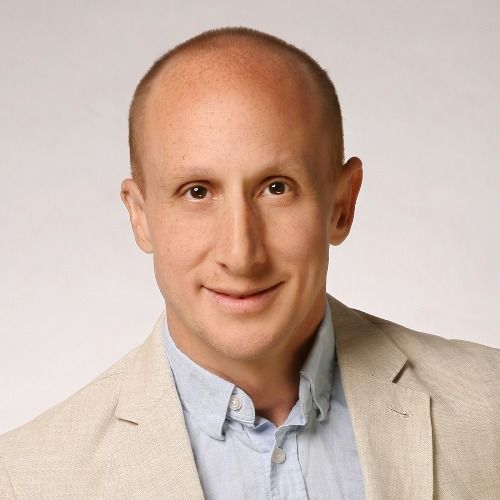
Samantha Teal – What I’ve Learned from Consulting on More Than 100 Trials
What a difference a month makes. Trial consultant Samantha Teal had not worked on a $14 million sexual assault verdict, $1 million employment verdict, $10 million employment pregnancy discrimination verdict, and $307 million verdict in a prisoner neglect case when this episode was recorded. A month later, hosts Harry Plotkin and Dan Kramer play their conversation. With experience consulting on nearly 100 trials, Samantha unpacks lessons learned – including why the instinct to prejudge jurors by demographics or professions could backfire, how she frames her signature voir dire question on "taking responsibility,” and when it might be okay to tell jurors that you’re nervous.
Learn More and Connect
☑️ Samantha Teal | LinkedIn
☑️ SMT Litigation Consulting on LinkedIn | Instagram
☑️ Harry Plotkin | LinkedIn | Facebook | Instagram
☑️ Dan Kramer | LinkedIn
☑️ Kramer Trial Lawyers on LinkedIn | Facebook | YouTube | Instagram
☑️ Subscribe: Apple Podcasts | Spotify | YouTube
Produced and Powered by LawPods
Transcript
Ready to take your verdict and jury selection to the next level? Jury consultant, Harry Plotkin and trial lawyer Dan Kramer are your ticket to tipping the scales before trial begins. You're not just picking a jury, you're picking justice, produced and powered by LawPods.
Dan Kramer (:Hi everyone. Welcome back to another episode of Picking Justice. We're doing something a little unique here in the intro is we actually already recorded this episode about a month or two ago, but since then, because Samantha Thiel, our wonderful guest today, since that recording, she has actually had amazing verdicts that we did want to share before the episode starts so you know that you're listening to someone who knows how to pick amazing juries. And since that episode, she's actually gotten a $14 million sexual assault verdict, a $1 million employment verdict with John Marco, a $10 million employment pregnancy discrimination verdict with Morgan & Morgan, and then very recently an amazing $307 million verdict where a prisoner was neglected for medical care while in prison. And who was that with, Sam?
Samantha Teal (:That was with John Marco.
Dan Kramer (:Wow. You were just crushing it for him. You're about to hear the full episode again. These verdicts are since then, so please listen up. You're going to get some great information, feedback on how to pick wonderful juries to get great verdicts on a variety of cases. Harry, anything to add?
Harry Plotkin (:Toot Morehorns, but Dan, since we recorded that episode, I know you had an amazing $6 million verdict in San Bernardino with some ... If you hear six million, you're like, "Is this somebody paralyzed? Do they have a ton of surgeries?" What were the injuries in that case?
Dan Kramer (:Undercover officer ran a red light, hit my guy. My guy walked away just fine, got treatment about a week later. The referring attorney had set him up with a chiropractor, so it had all the issues. The defense attorneys were going super hard on lean treatment, epidurals, and then he ultimately had a microdiscectomy. Really nice client. It's a chronic pain case he hasn't treated in about two years. The defense said to award $4,200. It was the lowest I've ever seen. And then the jury came back within about 45 minutes and Claire plot in, Harry's wife helped me pick that jury. We should actually do an episode on that jury selection. It was very interesting. The jury came back in 45 minutes and I was texting Harry and Claire like, "We're going to lose.This is terrible. We're so screwed." And they came back with six million unanimously on a microdiscectomy.
(:So we were very happy. We were proud about that. We had a wonderful client. It was great to hold the County of San Bernardino to task. They could have settled this case for like 500 grand four years ago or so. With that, we are very excited for this episode, Samantha Teal, who is just wonderful. She's great. This episode's awesome. Please tune in. Thank you and thank you to our sponsors.
(:And welcome back to another episode of Picking Justice. What's up, Harry? How you doing, man? How
Harry Plotkin (:Are you doing, man? I'm doing good. Just found out recently that my trial tomorrow is off. The defendant is filing bankruptcy, although it's a fraudulent bankruptcy. So it's one of those things that is frustrating for us, but is only going to get the jury pissed off even more when, so it's a gift. Sometimes you got to take the gifts when you can get them.
Dan Kramer (:Yeah, that's crazy. I've never dealt with that. Yeah, I'm prepping for a big car crash case against sheriff deputy who was like a hero in a mass shooting out here. So it's kind of a lot of interesting topics. I know you and I have discussed it. Maybe we'll talk about it here with our wonderful guest here. So Harry, why don't you introduce this great guest we have on?
Harry Plotkin (:Sure. Samantha Thiel is an incredible trial consultant from Detroit, Michigan. Well, I'm not sure it's actually Detroit, but pretty much Detroit, right?
Samantha Teal (:Pretty much. About 30 minutes out, but yeah.
Harry Plotkin (:Sam has probably spent more time in actual courtrooms and actual trials than most lawyers. Have you counted how many trials you've actually sat through the whole trial? I mean, you do more than just pick the jury, although you're great at that too, but you work up cases and get experts ready and put the story together and you're there through the trial to make sure it's being done tried right. How many trials do you think you've done?
Samantha Teal (:First off, thank you guys for having me. I'm so honored to be speaking with you guys. I've been doing this now for approximately 12 years. So I did 11 trials last year. In the last 12 years, if you average between five to 10, what is that? Probably close to a hundred, I would say at this point, give or take, I should say.
Harry Plotkin (:You've done trial huge verdicts with Jeff Feiger and John Marco and a bunch of others and just gotten enormous verdicts in these cases. And so we're super excited to have you. I think we're having you on so Dan can get some free advice from you, I'm sure, for his next trial. That's the purpose of all our gifts.
Dan Kramer (:Yeah, Harry's giving me all his free advice, so I got to go somewhere else.
Samantha Teal (:Pro bono, right?
Dan Kramer (:Yeah, exactly.
Harry Plotkin (:Exactly. So yeah, so excited to have you on there. So I know one thing that I've talked with you a lot about, and Sam does an incredible trial lawyer convention in Michigan every year. Last year was the first year, but you're doing it again right in June this year.
Samantha Teal (:Yeah, we're doing it again June 19th and 20th here in Michigan. We got Nick Rowley, Sean Claggett, Brian Briter, just a bunch of great people. I don't want to miss anybody, but there's a long list of great lawyers. I was so honored. Harry came last year and we spoke on a panel together and it's a fun time. I think it's a way to get great people together to learn, have fun and just grow their skills, their practice skills. So I'm really excited. This is our second year. It's a lot of undertaking, but yeah, I love seeing the response that everyone has when they leave feeling more inspired, more educated, all of those things. So I'm excited for it.
Harry Plotkin (:It's called Michigan Trial Lawyers Summit 2026, correct? So if you're looking to learn, I mean, obviously go to the website and sign up and buy tickets. It's incredible. One thing I remember we talked about last year on our panel was, and we've talked about before, is I always teach people these jurors are not their demographics, they're not their jobs. You can't be like, "Oh, that's a white tax accountant or that's a Hispanic female whatever teacher or whatever. So I know everything I need to know about them." They're humans first and they're their jobs in whatever second. I know that, Sam, we've talked about this a lot. What is your approach? I know you have some thoughts in jury selection about how do you actually find out what these people are like as people?
Samantha Teal (:Yeah, I think one of the most, the phrases that comes to mind is you can't judge a book by its cover. And I think we as human beings are so used to doing that just because it's within human nature, especially plaintiff lawyers. So you get a sheet from the court and it says engineer, then maybe it says teacher, then maybe it says police officer. We talk about bias, right? We tell them we want an unbiased jury, but are we biased ourselves going into jury selection? And we get this list and we prejudge people based off maybe a career, maybe based off certain things. And what I have found is, and when I first started this working in this industry, I was 19 and I worked for Jeff Feiger. And something he taught me, and I think a lot of people for years thought is like, okay, specific types of people that work in different industries may not be plaintiff friendly or oriented.
(:But what I learned after kind of going on my own and seeing different things, and I know we've talked about it, is it's not always a one size fits all. Some of my best jurors have been jurors that you would never suspect would be good for you. People that maybe are more for right leaning. Or I just did a case recently where my best juror was a police officer who most people would've thought, okay, this is not going to be a good guy for this type of case. He sent me an email after and reached out to me saying how it was one of the best processes he had ever gone through and it opened up his eyes so much to the process out there. And so I think we prejudge people based off whatever it may be and create stereotypes in our mind, but really it's breaking those stereotypes and it's thinking outside the box.
Harry Plotkin (:Have you seen lawyers that, without saying names or whatever, but have you seen lawyers who tell you like, "I will never keep a nurse. I will never keep an engineer." And what do you do?
Dan Kramer (:Both of you, I guess, you don't throw that away that information. I mean, it's all data. I just want to make that clear, right? This is all important data. Just is it an end all be all? Do you use a strike just because of that? Absolutely not, but it is data that you both collect and use. I've had people
Samantha Teal (:Say that and I've explained to them through different trials that I've done. Recently, we were saying that case I did with John, we had a guy that had been in the Navy for years, was very far right leaning, very strict, very stringent. He was our best damaged juror. And so I think, and it's funny because in that case, I kind of lean towards getting rid of him and John was like, "No, keep him." And so I think a lot of it comes down to, like Dan said, collecting the data points, but really are you asking the questions to elicit an honest answer? And some of the answers you get may contradict a stereotype that you believe. So you can't just cut someone off based off that. I mean, if you looked at me prior to being in the legal field, I think most people said, "Oh, kick her off based off certain things." But then when you talk to me, you may realize, okay, maybe she would lean more plaintiff.
(:So I think the whole concept is take the data points, but also understand that we're multidimensionalist people. There's different facets of our life and it's kind of like talking about outside the box. When people get into the juror box, they're nervous. They've never been in that setting before. And a lot of people walk into environments with preconceived ideas, notions, and a whole history of a life before they walked into that room that framed the way they think. So it's really important to take those data points, but also expound on them, see what biases they do or don't have.
Harry Plotkin (:Yeah. And for me, when I see somebody like an engineer, there's two things. Number one is I think, okay, I'm worried about something like, I'm worried that they're not going to be able to award non-economic damages because engineers like to, it's got to be calculated for them. But the thing that I hate is when you get back there, the lawyer doesn't really ask them any questions and they go, "We got to strike that guy." And I go, "Why didn't you ask him? Why did you ask him how he feels about ... " Because I'm always looking for the exception to the rule. I'm always looking for like, okay, if you've done big data and it says something like 80% of your engineers are terrible at one award money, that means that one out of every five is great. And if you're striking every engineer, one out of five times you are striking a great juror.
(:And so I'm always like, "Okay, he's an engineer. There's a little bit of a red flag and I'm going to figure out if this is the exception of the rule or not. " I just
Dan Kramer (:Want to jump in real quick. I also think it's okay to lean into it in your questioning. Look, you're a lawyer, you're a defense lawyer. I just had this in my last trial. Should I be scared, really scared of you? Something like that, but you could do it more artfully. But also think to your point, Harry, about the engineer, if you just strike him, don't even waste your time asking questions because you presume that if he is one of the actual good ones in the 20%, then you lost someone that could be a good leader for you, someone that's going to be trustworthy. An engineer, especially the jurors are going to be like, "This guy probably knows what he's talking about. " So yeah, there's a lot of risk in doing that.
Harry Plotkin (:Jurors like that or with that military juror that you talked about, what are some of the things that you guys were asking or you were hearing from him that was telling you like, "This one is not a bad one."
Samantha Teal (:His response based off ... So John put several scenarios in front of him. If you had a roofer, because in that case it involved a subcontractor that was on the premises of a grocery store, right? There was a faulty pipe that exploded and causing him to lose his hands. And so their whole argument, notice, things like that. And so John put out different scenarios about like, okay, so if you had, for example, your roof, there was something with your roof that was wrong and a contractor slipped. Is it the homeowner's fault or is it the contractor's fault because he wasn't aware? So those questions elicited great responses. And also the other thing is knowing who's coming behind him. So I also had the list and I knew that some of the people that were coming looked because I'm always sitting kind of turning, looking who's coming next, looking at what shirts are they wearing, what book are they holding?
(:Have they been responding verbally out to certain answers or certain questions? And so I had seen people in the back that I'm like, "These people are worse than the person that I have right here." Based off the responses that this person's giving, I think what I have right now may be better than what I have coming. So it's all those different variables that are happening at the same time. And really it is listening. I think in that case we asked him, "What is your definition of response? What does it mean to you to take responsibility?" And he gave a fantastic response. And in that case, there was things that had been deleted, records that hadn't been produced, stuff that they had tried to hide. And we knew given his background, those are things that would anger him and frustrate him based off the fact that he had strong morals.
(:So he might look bad in this aspect, but the overwhelming weight of evidence that was contrary and not good for them would cause him to be angry and cause his damages to go up in awarding them. So that was kind of the thought process in that. But I'll admit for me, I was unsure in the beginning and it took me a little bit of time to say, "Okay, warm up to the idea as he spoke further."
Harry Plotkin (:And I'm always thinking, yeah, there's nothing wrong with looking at someone's job or what they look like and being like, "Shoot, we might have a problem here." What we learned in a prior episode from David Ball, which is really helpful is have that curiosity like, "Is that guy really bad for us or maybe he's not? " And be curious and open to the fact that he might be great because In the beauty of it, and Dan, we've seen this in court a lot of times, is when you get a juror like that who kind of fits the defense profile on the surface, but they're really good, no matter what they say, the defense is usually not going to strike them. They're going to do the same thing. They're going to be like, "I know that what that military guy said sounded good for the plaintiff, but he's a military guy.
(:He's never going to award big damages." They'll never strike him. And you're like, "Oh, now we got a guy that is definitely going to be on this jury." Yeah,
Samantha Teal (:I think it even applies to plaintiff oriented jurors. Harry and I were involved in a case last year with Nick Railey. Do you remember that the woman, she took photos for auto companies and me and Harry both wanted to strike her and everyone was like, "I don't know. " And we both felt it. And then she came out and she's like, "I would've been the best juror for you, " which I always get nervous, people saying I would've been the best juror for you. And upon further research through her social media, she probably wouldn't have been a very good juror, right?
Harry Plotkin (:No. Well, remember the trial team who liked her, talked to her afterwards. She didn't say I'd be great for you. Remember she said, she was like, "Well, were they the defendant fault?" And he said, "Yeah, they were." And she went, "Are the injuries legitimate?" And he said, "Yeah." She went, "Well, that'd be great." Well, who wouldn't say that? I mean, just the fact that she was not sure. Yeah,
Samantha Teal (:Yeah, I forgot that.
Harry Plotkin (:But jurors all think they're going to be great for you. If you control the focus group, you can get everyone on your side for sure. But somebody could be friendly and they seem like they're really friendly with the lawyer and, "Oh, this person likes me, " but you can't let himself diagnose their bias because they don't know what's coming up. With this military guy, he had no idea that you guys had all the stuff to make the defense look like a bunch of liars and you got to figure out what their buttons are.
Samantha Teal (:That's why you have to ask questions. I feel like so many lawyers stick to the sheet of, okay, this is what I have to ask. This is what I have to do. How would you feel if you went to a job interview or you went on a date and someone stared at a sheet of paper the entire time asking specific questions? You have to have that human interaction of looking at them, looking in their eyes, you being vulnerable. If you're so closed off, how are they going to be vulnerable with you? That was something Jeffrey, my old boss and mentor taught me. He said, "You have to know you before you ever walk into their room." He was giving a talk once and there was a young lawyer that came in and he said, "I'm so nervous. This is my first trial." And he said, "Tell them that.
(:" Walk in and say, "You know what? I'm really nervous. This is my first trial. I'm scared I might ask the wrong question. I'm going to ask you to be patient with me while I'm patient with you. " Showing that vulnerability allows them to feel comfortable to answer the questions that you're asking. I mean, imagine being put in a box where someone's probing you for a few hours. It's uncomfortable. So the more you can make them comfortable, the more better answers you're going to get because they feel open to answer them.
Harry Plotkin (:Yeah, it's true. I mean, you got to treat jurors like human beings. They can tell if you're not treating them like a human being if you're cross-examining them, but also they're not going to talk to you if you're not a human being. Dan is great at that. I mean, Dan, I think from the get- go really works hard to be respectful and polite. He's not like, "Let me ask you some questions and getting in their face." Dan, what are some things that you do to make sure that they actually can relate to you and talk to you?
Dan Kramer (:I think obviously just telling them exactly how I feel. It's really the situation I think that's tough, what you think is a bad answer. You get that bomb that's just like hate, personal injury lawsuits. They hate awarding money and all that. It's I think just obviously listening and then being like, "I appreciate that. " And I worry that because of those feelings, maybe this isn't the right case for you. I don't know. Just stuff like that, just to make sure that I'm telling them about my fears. It's a really nice guy. He's a sheriff on the other side. I worry that people are going to see him testify and they're going to give him the benefit of the doubt because he's in uniform. He's a cop. He protects us. I worry about that. I just think showing my concerns or my worries without attacking them, I think is a good way to do it.
Samantha Teal (:You're also building credibility when you do that. They see that you're being open and transparent with him opposed to keeping those things internally. I'll never forget, I did a case, my old boss, he was well known here in Michigan and he said, "How does anyone feel about me? I want to know. " If some guy got up and he's like, "I hate your haircut. I hate your commercials. I hate you. " And he's like, "You know what? I appreciate that. " He's like, "Most people would be offended, but I appreciate that. Now, would I want you to be my journey?" The guy's like, "No." He's like, "I appreciate that honesty." Just be honest with them. That's all that they want. Nick talks about it, brutal honesty. Brutal honesty is going to get you a lot farther than try to withhold those things and not be you.
Dan Kramer (:Rob Glassman and I teach at a law school class on jury selection, and that's one of the biggest things. It's one thing I think a lot of lawyers try to schmooze and be suave and they think they're giving this powerful closing argument or this is jury selection. You don't need to do that. In fact, I think it backfires. I think right out of the gate, if you're trying to be too swave, too smooth, one, you're probably not really being yourself, which is a terrible thing to do. But the jurors are like, they're already dubious of lawyers in general, but especially plaintiff trial lawyer who's suing for a car crash case. They'd be like, "This guy is just a fancy talking suit." And so I think the less of that, you could still be charismatic in yourself, but I think most of charisma, if you read the books, it's just listening and paying attention, being locked into somebody.
(:You don't have to be the most smooth talking lawyer to win over the likability contest.
Samantha Teal (:Absolutely. I think too, most people just in general, not even in the setting of a trial, all they want to do is to be heard. They want to feel like someone's listening to them. And if you do that, you not only build credibility, but then they're more open to speaking to you about certain things or certain feelings.
Harry Plotkin (:Sam, what are some things that you want to know about the jurors when you're picking a jury? What are some things that you're looking for? What are some types of questions that you'd like to ask to really figure out that real human being behind the demographics and the job and all the stuff on paper?
Samantha Teal (:Certain things, obviously you want to know if they have kids, stuff like that that the judge normally asks, but what is their viewpoint in terms of taking responsibility? What does that word mean to them? If you ask people that question, the responses you get are crazy. You see a lot by that, right? Because then people instantly, when you ask them, "What does it mean to you to take responsibility?" They automatically go to a situation that they've gone through where someone didn't accept responsibility for something against them and it shows you their responses. And something I always tell my clients is, let's use that answer by the time we get to closing, say, the defendant's not here, they're not taking responsibility. At what point have you seen them take responsibility during this trial? And during voir dire, juror number eight, you told me what it meant to take response.
(:You know what I'm saying? And incorporating that you listen. So questions like that-
Dan Kramer (:Well, hold on. Sorry, just on that one. And is this really to get more information on the good or bad jurors or do you just want to get it out there in their minds? Is that the purpose of the question?
Samantha Teal (:I think I want to get it out there in their minds. And I have seen some crazy responses that are like, responsibility means you need to do this, this, this, and this. You could tell the harshness of someone's response. If it's super over here and then there's one people that says, "Well, mistakes happen. Sometimes people have to take responsibility, but it was an accident." People give responses, they may give you even scenarios. Accepting responsibility might depend on what the situation is, but then there's people that are like, "Doesn't matter, this is what responsibility means." So it's a good question to just get out a response while also getting out a theme of, "Hey, we're here because they're not taking responsibility."
Dan Kramer (:Sometimes you don't know who's at fault, something like that. What do you think, Harry?
Harry Plotkin (:No matter what you'd ask about, they'll take it to personal responsibility, and that's when you know it's a not a good juror when they're like ... They may even say it directly, maybe like, "I just don't think anyone ever takes personal responsibility." Or they may share some analogy where I hate jurors like this who will say, "Oh, one time that someone did this something to me, but I didn't sue them, and I just think I would blame myself for this. " And then you're like, "Okay, this is someone who just doesn't really want to believe in holding anyone accountable." It's just when they start saying, "Well, what matters to me? Did the person themselves do something?" If they're at fault.
Dan Kramer (:I think that exercise right there, Harriet, what you just did, and Samantha, this is the question I really want taking responsibility and thinking, okay, what's a bad juror's answer? And then you could craft a question out of that. Who here thinks that if I was hitting a car crash, I wouldn't sue. I think a lot of the ways when we try to craft questions, it's like you always try to get to the root of what are you scared of and then you work backwards. You go, "Okay, what are the bad jurors going to say to me? " And then when you're prepared for that, then you just start with a question or get a question out of that. And then it's also less scary because then you've disarmed the jurors. Some folks, my uncle feels that way or whatever. But I think that's a good way for the lawyers out there, thinking about how to craft your questions, think about how the worst jurors are going to do it and then craft it that way.
Samantha Teal (:And I think to Dan's point and in terms of following up, I did a case a few years ago where we asked that question and my client asked that question and we had a juror that said, "Well, I grew up on a farm." She was around 70 years old. I grew up on a farm where we took responsibility for everything we did if we didn't do this. And then she proceeded to tell a story how her brother became a quadriplegic as the result of an accident. And she said, "And we never sue. Why would we sue? Bad things just happen to good people. " And my client said, "Okay, I appreciate your response. Does anyone else here feel that way?" Because bad things happen to good people that there shouldn't be other avenues to pursue what we believe is justice. You know what I'm saying?
(:And it opened up a whole can of worms in terms of responses. And just judging by answer, I knew, okay, this is not going to be someone that we want on our jury. So I think it's a good question where you're getting at your theme that they're not here to take responsibility, but it also elicits other responses.
Dan Kramer (:What are some of the, in your experience, and you don't have to name names, but some of the stuff that you think these are bad questions, this is not the right way to do it. That could go for both of you.
Samantha Teal (:I don't like when people ask questions that are yes or no questions where it doesn't elicit a longer response. So someone will say, "Does anyone here feel like it's uncomfortable on the spot? I'm trying to think of something, but ultimately yes or no questions that people can't expound upon. Or if they ask a question, this is what I hate the most. Okay, does anyone here feel this way?" No one responds. "Okay, I'm not seeing any shakes of the head. Okay, let's move on to the next question. What are you learning by someone not shaking their head? Ask someone, how do you feel about this? What are your thoughts on this? "Instead of asking closed-ended questions where they don't elicit a response, if it's yes or no, don't ask it.
Dan Kramer (:What's your viewpoint on that? I haven't really heard that used or what's your perspective? I like that because I think it's kind of disarming. A lot of people have different points of view, frankly. It's a way to get to the bias without saying such a bad word as bias because Harry and I talk, we just don't even like using that word too much in voir dire, but I like viewpoint. What's your point of view? What's your perspective on this? That's good. I like that. I'm going to use that.
Samantha Teal (:I think it makes it personal to them.
Dan Kramer (:Personal without being a bad thing. It's just their point of view, just where they come from.
Samantha Teal (:And people love when you ask what their point of views are.
Dan Kramer (:Yeah, no, I know, especially nowadays. They love telling you your point of
Harry Plotkin (:View. I agree with that yes or no questions because it's very easy to lie by saying yes. Sometimes lawyers will undermine their own questions by ... And I know why they do it because they don't want to ask the question. They don't want to hear the bad stuff, but they'll be like, " Anyone ever hear a problem with money for pain and suffering? "When you're saying it that way, it's pretty aggressive and you're pretty much telling them," Do you have a problem with that? "It's like it's a negative on them as opposed to you always have to flip it. Anyone here thinks it's unfair that someone can come in and ask for money for things like pain and suffering. Don't make them the problem.
Dan Kramer (:I don't even know what that would even mean. Yeah. Who has a problem with pain and suffering? You're not even setting it upright.
Harry Plotkin (:You're hoping just to get no answers and rattle it off and check off your boxes. Yeah.
Dan Kramer (:So many people do. It's like the setup is so key. And the setup does not have to take a long time. People worry," Oh, the judge is going to shut me down. "But if you fine tune it enough and really just tighten your words, you can explain the same thing in 15, 10 seconds, 15 seconds to get that set up there without just going right at who doesn't like awarding money for pain and suffering.
Samantha Teal (:Yeah, I think I like framing the pain and suffering question in terms of say, in whatever stand, the law allows for the plaintiff to receive damages for pain and suffering. How many of you disagree or agree with that concept? What are your thoughts on that? And do you think that people should or shouldn't be able to be awarded for pain and suffering, things that aren't tangible? So then you're framing it in the way of, okay, this is what the law allows. Now what is your thoughts and opinions
Dan Kramer (:On that? Harry, do you even mention pain and suffering or is it always just quality of life damages or are you kind of combined?
Harry Plotkin (:I used to years ago. Yeah. I used to be the point of view of like, let's say it in the most negative sounding way so that you can get more jurors saying, no, I don't like emotional distress, pain and suffering because those become kind of negative things like, " Oh, whatever. It sounds like you're just making it up or exaggerating. "But yeah, I think you get a bunch of false pot. Now I'm more into say it the best possible way and if jurors still don't like it and explain it a little bit and why it's important and everything, do your best to kind of frame it in a good way. And that way, when you still get jurors who say," I don't like it, "you really know that they're bad jurors as opposed to, I've talked about this a few times, but I think the most super thing that I think gets lawyers to understand this is like years ago in a focus group when I talked about the case and I went," what are your feelings about giving more than a million dollars for pain and suffering?
(:"And they were like, " That sounds stupid. "And then I was like, " What are your feelings about giving more than a million for quality of life? "And they're like, " Well, I'm open to that because quality of life is important. It's the same thing. "And then how do you feel about giving millions of dollars to hold a company fully accountable? And they were like, " Oh, I want to do that. "So you're like, " And it's the same jurors. Now, not everyone feels that way. There's some jurors who are going to ... But that way you know, hey, there's a juror. If you frame damages right, they're going to want to give you the money. I don't want to get rid of them just because they don't like the word emotional distress. So I try to, let's present it the way that we're going to present it and see who doesn't like it.
Dan Kramer (:I think this is where it's like the nuance that I think can hurt. You get rid of a lot of good jurors when you do put the negative on it and you just, the way you're talking about it, you could lose some really, really good jurors.
Harry Plotkin (:It's easy to make your case sound like crap in a vacuum at the beginning, right? In California, we do mini openings and probably, and I'm guessing in Michigan, you don't get to do mini openings.
Samantha Teal (:In all the states that I've done cases, the only place I've ever seen that was in California. I haven't seen it in other states.
Harry Plotkin (:There's some other states that do it and some judges.
Dan Kramer (:Doesn't Florida do it? I think Keith Midnick said they do.
Samantha Teal (:Well, I think we did it once in Florida now that you're saying that. We did a case in Vero Beach three or four years ago, but the one that sticks out and to me is the one I did in California.
Dan Kramer (:We changed the law here to that they have to allow it. It used to be discretionary and then a few years ago they changed the law to make it mandatory, but it's great. So then let me ask you in a state, Samantha, where you're not allowed to do mini opening, how are you getting the bad facts out there? Are you putting it into the questioning or hoping it's in the statement of the case? How are you going to get all that bad or the bias points?
Samantha Teal (:Yeah. And just some of the questions that you're asking, so case specific questions.
Dan Kramer (:Like my client was speeding and we have to talk about speeding, something like that.
Samantha Teal (:For instance, tomorrow I start trial on a case where my client was sexually assaulted and raped by a nurse in a hospital. The reason she was there was because she tried to commit suicide. That is something that is, I don't want to say bad, but some people have strong feelings about that and they may automatically think so. We have a whole line of questioning on those things. And so what I try to do is find out, okay, what are all of my bad things and then frame questions around that topic.
Harry Plotkin (:Yeah, I would definitely ask, I mean, and maybe you thought of this, but my big concern in that is that some people are going to think ... My worry, this is what I would say as a lawyer. My worry is when you hear that my client was there because she had attempted suicide, some people may say someone who's attempted suicide, their quality of life can't be worth nearly as much as someone ... They're basically saying their life is not worth nearly as much. Anyone here feel like, "I couldn't give a lot of money for the quality of life of someone who's suicidal." And I don't know how, in your case, how serious, was it kind of more of a cry for help or was it a really serious suicide attempted? It was
Samantha Teal (:Serious. And she had multiple for years. She had been in and out of psych wards due to that, but there's a whole history. It's going to be an interesting-
Dan Kramer (:Is it a questionnaire?
Samantha Teal (:No. So we have sexual assault, physical abuse, there's a whole history behind it, right? Multiple suicide attempts. So we're basically asking every hot topic item that jurors, it's uncomfortable to talk about those sorts of things and if they've gone through that in their family. I know I did a mock trial about two months ago and it was a suicide case where our client was a 14-year-old who committed suicide in a juvenile facility and just talking about that elicited very strong responses from jurors. One was bawling and left. So it's like we're walking into tomorrow in very somber, but also these are things we have to ask and we apologize because I know they're uncomfortable with topics, but we got to talk about these things because it's going to come up. And if it's something that's going to be difficult for you right now, we need to know that and walking through those things.
Harry Plotkin (:All right. So I'm super excited to talk about one of our newest sponsors, a company out wanted to work with for a long time, Focus Graphics. They are specialists in demonstrative trial graphics. Basically, you as attorneys, you tell the story of your case and you rely on Focus Graphics to do the visual storytelling. They do animations, they do medical illustrations, things like that. And the thing that makes Focus Graphics different, for those of you who haven't heard of them, I'm sure most of you have, but they are the only visual company that actually focus groups their work. So obviously I love that kind of thing. They actually test it with jurors and see what jurors think and tweak it based on what feedback they get, which is something you should be doing anyway. And so that additional service ensures that your jury is not the first to see your visuals.
(:They have an in- house team of animators, illustrators, visual consultants to ensure that your medical and forensic and engineering visuals are all accurate. They do those super detailed medical illustrations, but they also do demonstrative, persuasive ones as well. I know they worked with many of the lawyers we've had on our show already. And some of the ones upcoming, they tell me over 20 billion in verdict and settlements based on their work. And they've worked with Nick Rauley, John Marco, Samantha Thiel, who's on our episode who just got that $300 million verdict. Tom Dickerson, Jude Buicile, Kurt Zaner, Kale Paris, Luris Armis. And of course, Sean Claggett, because Sean is part of the company and his brother Seton runs the company. If it's good enough for Sean Claggett, I'm sure it's good enough for you guys. I would encourage you to work with them. They're playing a focus.
(:If you want to get in touch with them, contact Seton Claggett. His email is seton@focusgraphics.com and give them a try because they're terrific and we can't use enough help in our trials. Trial is a team thing. So excited about focus graphics.
Dan Kramer (:All right, welcome back. So Samantha, what I want to ask is, and Harry too, you guys have the advantage of being in courtrooms more than any other lawyer out there, any trial lawyer. What are some of the recent topics that maybe we all deal with and some interesting answers? And what was a good way you saw attorneys handle some of that stuff?
Samantha Teal (:I did 11 cases last year, so they all start to run together.
Dan Kramer (:It's a very specific question. What have you seen an effective way to talk about millions of dollars or lots of money?
Samantha Teal (:We have a case here in Michigan, and I know we've all heard this, certain people have a ceiling, right? This is a number I wouldn't go above. Doesn't matter what the number is. So we have a case here in Michigan that says if someone says they have a certain ceiling or damage on damages, you can move for cause to get them off. And so that's my favorite question just because the law is so good on that here. It's called the Poet case. I like that question because I can then get a cause challenge. Certain people say I have a certain ceiling, so I cannot go above five million. This is my ceiling. I'm not going above that. What are your thoughts on that? And someone says, "Oh, this is my ceiling, blah, blah, blah, blah, blah." Well, then I'm going to use my poet case to move for a cause.
Dan Kramer (:Would you automatically do cause though?
Samantha Teal (:No, not automatically. I wait till the end when you get to your for cause challenges. I wouldn't do it just based off that answer. I'm saying if there are other bad answers and I'm looking at this person, but that's a question I like to use because then I can use the case law in support of it if I need to get them off for any other reason or because of that reason.
Dan Kramer (:Yeah, that's a great fail safe because if the person's shitty, not going to be a good juror for your case, they're definitely going to agree with that. Then again, if they're really bad on other stuff, but they're like, "Yeah, no, I would award a billion dollars."
Samantha Teal (:Right. And then it sucks because I can't use it as a poor cost challenge.
Dan Kramer (:I would be happy to. You can't use it, but you got to ... Yeah. Yeah.
Harry Plotkin (:What happens if they say a really high number? Do they have to say a number?
Samantha Teal (:I've had clients say, and this is something Jeff always used to do. He said, "In this case I might..." And he tells him right off the beginning, there's certain jurisdictions you can't do this. Pennsylvania, you can't say a certain number. But in Michigan, you can say a number. So he might say, at the end of this case, I may ask for in excess of $60 million. How does that make you feel hearing that number off the get- go? And people will be like, "That just seems ridiculous. That's way too high." And he's like, "Okay, well then let me ask you this. I said 60. What would be the ... " And it's hard because a lot of people are like, "Well, I don't know the facts, so how am I supposed to say a number?" But then you get the jurors that are like, "Nope, I want to go above a million no matter what.
(:Doesn't matter what it is. " They're revealing who they are regardless of the fact. And then the people that are more apt to say, "Well, I need to listen to the facts and evidence." Right now at first blush, it seemed like a lot of money, but I don't know the evidence. The evidence may go to that. It's one of those questions that elicits a response, but I know every jurisdiction's different in terms of what you can and can't
Dan Kramer (:Say. If someone's struggling with those numbers, but they're not super ... Just to get them to say that they're open to it, if the evidence shows it, I mean, would you want that question from an attorney? Is that even helpful at all?
Harry Plotkin (:You mean if someone's struggling with whether they have a ceiling or not?
Dan Kramer (:Yeah, you don't know if they're going to be that great on damages, but they're not really ... Some attorneys ask, "Would you be open to awarding $10 million if the evidence shows it? " Do you like that question or no?
Harry Plotkin (:I never liked the part that says if the evidence shows it, because how would you feel if you were a juror who's like, "I don't like these big damages." When they say, if the evidence shows it, they'll be like, "Sure, if the evidence shows it. " If you were to say, "Hey, Harry, would you root for the Yankees if the evidence showed that they were better than the Red Sox?" I'd be like, "Not going to happen." But I never liked that part. I always like framing it more like some people feel like harm to somebody's quality of life, no injury could ever be ... It would be ridiculous. It could never be worth more than a million dollars or $10 million or whatever. And that's kind of, do you feel that way? So it's not so much would you hold down the damages even if the evidence showed it was more, but do you feel like no evidence, doesn't matter what the injury could ever get to that level.
(:Because I think then jurors will be like, "Yeah, that is ridiculous."
Dan Kramer (:Yeah, I totally agree. Because I do hear a lot of attorneys try to do that and it's almost like they're talking their way out of a cause challenge because they're framing it like, "Are you open to it if the evidence shows it? " And it's like you said, the people are going to be like, "Yeah, sure, I'm open to anything." That doesn't mean-
Harry Plotkin (:Yeah. And they'll be like, "I don't know how you're going to prove that, but yeah, if the evidence showed me.
Samantha Teal (:" When they ask that question like, "No, don't ask it. It's like you're trying to rehab it. " I like the question. So let me ask you this, what is causing you to pause at that number? Talk to me about that. Tell me a little bit what's causing that pause in you to say, "I'm not sure." You know what I'm saying? And then they'll start-
Harry Plotkin (:And what if they say, "I mean, it's just so much money."
Samantha Teal (:And I agree. I'm not going to sit here and say it's not a lot of money. I know it is. We just said, "Is that something you're willing to consider?" It's hard because where do you go from ... Harry, where would you go from there if someone said it was hard?
Harry Plotkin (:A juror's job is to decide what is the true value of it. We think it's not cheap, but is that something that you ... Do you agree with a concept that quality of life could be worth a lot of money, maybe more than anybody could ever earn a lifetime? Or do you disagree with that and see what they get them talking about those things? I mean, one thing I've been doing recently and writing more is this idea that we've all heard health is wealth, right? What does that mean to you? And then say, do you disagree that a person's quality of life or their health could be more than their next door neighbor who's CEO and has millions of dollars but maybe isn't healthy or do you disagree with that? And so I'd want people who go, "Yeah, I mean, I get that it's worth a lot of money," versus people who kind of go, "No, I just don't think someone's quality of life can't be worth more than they would make in a lifetime." That's what we hear a lot, right?
(:I'm sure you hear it, Sam and Dan. I know you hear it when people say, "Well, that's crazy." They would never make that much money in their lifetime, but do they already have that much value in their life? I mean, I think to me, a healthy person who's happy in their life and they got a family and everything and they're making minimum wage, they're wealthy.
Dan Kramer (:When I do a lot of my own focus groups, when I watch them deliberate, you get some of the bad jurors that be like, "Well, he's asking for $12 million or whatever it is, and this guy could buy five houses for that. Why does he need all that money?" And it's having to divorce the concepts for them. We talked about recently the nuclear verdict stuff. I mean, they always try to do that. Talk about the price of the cost of a house in the neighborhood or talk about how much it would cost to buy a car in that location, whatever it is to tie it to, this is life-changing money because he could buy a house, he doesn't have to have a mortgage, all this stuff. And so it's like taking it away-
Harry Plotkin (:Then you come back and you say, "What are your feelings about whether a guy in the biggest mansion in town who maybe has chronic pain or they're in a wheelchair, does that person have more value in their life than a person who doesn't have a house who's healthy and happy and they get to do the things that they want to do? " And then once you get them on board on that, agree with the concept and then they're thinking about it. And if you can get them then to say, "Are you willing to put the right value on quality of life?" You could talk about the Bezos thing. If Bezos was in a wheelchair, would he be wealthier than a person who's making hourly wage, but healthy and happy?
Dan Kramer (:Is his paying worth more just because he's wealthy? Yeah,
Harry Plotkin (:That's another way of looking at it, but there's a bunch of ways you could ask about it, but the perfect juror is the one who realizes like, "No, I'd much rather be that healthy, happy person who doesn't have a lot of money than crippled Jeff Bezos." Sad in his mansion over there. This is a theoretical cripple Jeff Bezos, obviously, but that person's got more wealth, wonderful life where they're like, "My brother's the wealthiest guy I know. " And it's like, quality of life is worth millions and millions of dollars. That's where you want to get them to. And you can say, "But do you disagree with me? " And some jurors will say, "Yeah."
Samantha Teal (:Well, even too, something that I've advised my clients to use for closing where they're trying to use tangible things to tie down damages. What is the most priceless thing that we have in life that we can never get back? Time. So what if you spend every minute of every second of your day in chronic pain? What is that? Because the pricelessness of time equate to quality of life. If you're living every day, time becomes a different meaning when it's prolonged in pain and talking about through those things as well. So I think anything you can do to not tie it down to a tangible is very helpful.
Dan Kramer (:It's tough. I mean, it's really to value, not damages or money. It's just you're just valuing it, you're just appraising it. That's all you're doing. We appraise houses all the time, but nothing should be appraised more than someone's quality of life. I think that, yeah, that's the point you want to get to. It's good stuff. What other recent stuff have you had Samantha or Harry that you're seeing? How would you handle my situation having a good likable defendant, sheriff, hero who lied about running a red light?
Samantha Teal (:Let me think about that one. So he lied about running a red light?
Dan Kramer (:Yeah.
Harry Plotkin (:I know in your case, he was a hero in a high profile thing in that county like years ago, right? But are you going to MIL that out? I mean, they shouldn't be hearing about that.
Dan Kramer (:Yeah, we're going to try, but the judge could let some background. But look, I think it's just more of the defendant is trusted like a doctor, law enforcement. Although law enforcement I think could go both ways. I got to prehab the anti-cop people because that's the first thing I'm doing as a defense is like, law enforcement abuses their power and can't be trusted. Anyone feel that way?That's kind of what I would do if I was on the defense right out of the gate. The
Samantha Teal (:Kind of first thought I had was five good acts doesn't absolve of one bad act, right? So just because someone's a good human being doesn't mean that they can't make bad mistakes or bad decisions. And we're not sitting here saying he's a horrible person, but you can't use your good behavior to absolve you of a bad mistake. It just doesn't work that
Dan Kramer (:Way. I don't even think I'll use mistake that he blatantly lied. But that's interesting on the flip side too, when you have a client that has a lot of skeletons in the closet or warts or former drug addict or there's drugs in the records, that kind of thing, the same thing should apply just because you have, or you're clienting your suicide case. She has a lot of baggage, but does that mean that the defendant should get away with it because she has baggage?
Samantha Teal (:I always talk about this. My client's going to talk about it in opening. There's not one person sitting in this room today that is a perfect human being. We're all made up of flaws, things from our past, things that haven't even occurred yet. So to say that there's a perfect human being out there would be an untruth. It'd be a lie. Everyone has things that they've gone through and the problem is some people prejudge people the entirety of their lives. Getting the jury to understand that, okay, just because these things happen doesn't mean the value of her life, the quality of her life is worth less. I've asked that question in senior citizen homes. Who here feels that the value where they're saying, "Oh, she's going to die anyways because she's old." Who here believes that the value of someone who's 77 years old is less than someone that's 25?
(:No one's going to think that, but the defense is making that inference, "Hey, she was going to die anyways because she had hypertension, diabetes, et cetera, et cetera."
Dan Kramer (:Do you all talk about if it's going to come in that the person had a felony or whatever it may be, drugs, who knows? I mean, the background's somehow going to come in. Are you going to talk about that in voir dire as well, Samantha?
Samantha Teal (:Depends upon the case in terms of rulings. If it's going to come in, like that case that I recently just did a mop trial on, there was some alleged history of drug use by the parents, so we talked about it. There might be some evidence that comes in here with regards to certain family members having been involved with drug abuse in the past. Is that something that automatically you're going to be prejudiced or biased because maybe you've gone through that or have a situation similar? I mean, you get a lot of responses. I'd rather put it out there. Something I've learned a lot from Nick, especially in the last year on cases where maybe we have bad facts, he's like, "Just put it all out there. We're trying to hide from it and they're bringing it up. I'd rather be the first one to bring it up than for them to bring it up."
Dan Kramer (:I totally agree with that. How do you handle the client who's just not a perfect person or all these police brutality or police shooting cases where almost 0.9% of the time decedent or the plaintiff who's seriously injured probably is felonies, gang banger, all that stuff. But you see Dale Gallipo and all this mental health, but just they've probably done some pretty bad stuff, tattoos on their face and all that, but jurors award incredible verdicts. I mean, Dale Gallipo, some of the others out there are getting great verdicts. I mean, how do you voir dire on that kind of stuff, Harry, that's going to come out?
Harry Plotkin (:I mean, I certainly in California would put it in the mini opening, put it out there. You're going to hear that my client was in jail when this happened or was committing a crime when this happened, whatever. And then try to, given good facts, try to say, "Well, but you get to decide, you're going to hear everything about their life and decide whether that meant they were always going to have a terrible life or not. " And jurors won't have opinion about that. I would say this, I wouldn't necessarily voir dire about something that everyone's going to dislike. I wouldn't be like, "My client was in jail and thinks that's bad. I mean, everybody's going to, we got to get rid of all those people. " I had a case recently where it was like our guy, it was a products case and he was an off-road vehicle and he wasn't wearing his helmet.
(:And the lawyer started voir dire on that. I'm like, "No, no, no, you're not going to get anything out of that. It wasn't a factor at all. But what are you hoping to get? Nobody's going to think it's okay. We're looking for jurors who said it's okay not to wear a helmet." Depending on what it was, I would probably voir dire more on that issue that I was talking about with Sam of saying, anyone think that given that, that person's just, you may sympathize with them, but their life is just not worth as much as somebody. The other thing I would get into too, I'm always looking for people, because there's some jurors who are going to say, "That person could bounce back from that. I've seen it happen.That wasn't the end of their life." And there's some people who feel the other way. I mean, I would also voir dire on that and saying, like in a sex abuse case, I've asked, has anyone here seen anybody recover from something, live a great life?
(:But I would kind of do the opposite here. Anyone ever seen someone who had a drug addiction or jail or suicidal whatever and recover from that or feel like that happens? I would want to keep those jurors. I would want to get rid of anyone here ever feel like if you've done X, Y, and Z, you're probably just not going to live a happy life ever.
Dan Kramer (:But what about framing it this way though? I'm going to just spitballing here, but isn't it more also because someone has a rap sheet, but the defendant's actions were what they are, should the defendant be held less accountable? For example, if someone rapes a prostitute, should that person get less years because she was a prostitute as opposed to being a virgin? Why not flip it and just think my client has felonies, but I think the evidence is going to show that it was the defendant's negligence that caused this. Do you think the defendant should be held less accountable just because my client had a felony 10 years ago or five years ago or a year ago? Does that mean that it's worth less? He should be held less accountable. I don't know. Maybe framing it that way, because I think everyone's going to agree the person you hit doesn't mean you should be less accountable.
Samantha Teal (:I've asked that question on the flip in terms of a medical malpractice case. Does anyone here feel like because a doctor's going to school for 14, 15 years and that they may claim it's a mistake that happened that they should be held less to a lesser standard because they have gone through all those years of medical school. So I think to your point, it opens up the responses to come in. I love that, flipping it.
Dan Kramer (:Honestly, sometimes when I just feel like jurors in a way, they almost connect more to someone who has had a rougher past or kind of the working man. I don't know. I feel like there's possible a connection as opposed to someone who's just been super perfect. And I think if we try to make our clients sound super perfect, it's only going to set up to fail because no one's perfect, like you said, Samantha. And so I've been a little guilty of that I think sometimes in my opening statement. The plaintiff two-thirds of the way through the story, I noticed that I'll maybe try to make them sound better than they are. And I think that's a huge mistake.
Samantha Teal (:I had a case recently where my client ended up in a hospital because of an overdose and the hospital committed malpractice, right? But the evidence of the overdose had to come in because how did he get there? And so I talked a lot about that in voir dire at my client, history of drug abuse and prejudice towards him because of that. And the responses I got from people that were like, "Well, 15 years ago I was a drug addict and I'm not the same person I was. " You'll get those types of responses and then it gets people thinking. And then if you have someone that's automatically like, "No, doesn't matter," then you know they're terrible for
Dan Kramer (:You. And I also think it's risky for the defense to go super hard on that shit that doesn't really matter, honestly. If the client did drugs, it's in the medical records, but it has nothing to do with the injury or there was no drugs or alcohol at the time of the crash. One, the judge should probably exclude it, but not all judges are going to. And so in the defense, it's risky. I don't even know if the defense has a felony. It would have to be very close to the type of incident and there has to be some negligent hiring for me to even bring it in really because I don't think going hard at someone just because of their past, I think that could backfire. But I think defendants can't help themselves a lot of times. Oh,
Samantha Teal (:Absolutely. And I've used this. I used this recently in a case where someone was saying like, "Oh, well, this person already had these issues before medically." And I had told my client this, I said, "It's like a car broken down. Maybe the tire's flat and it parks next to a tree that unbeknownst to them inside of it's hollowed out and the tree falls on and it smashes the car into smithereens. Is it the tire's fault or is it the tree's fault?" So a lot of times they try to make these ideas that, oh, this person had this, this person had that. Yeah, but at the end of the day, that wasn't what hurt them. That is not what killed them. It was that tree fault, right? So I use that analogy a lot of times of that's really what it is. Let's call it for what it is.
(:Trying to place blame on something that is not a contributing factor just to make them look worse.
Harry Plotkin (:And I've seen a couple of times when you bring it out in voir dire and let enough of the jurors kind of go, "What the hell does that have to do with anything?" Sometimes I've seen a couple times the defense just kind of read the room and then they don't even bring it up and then they have not much to say about it or they just say it anyway and they get hammered for it. If it's something that you think some jurors are going to have a personal moral view about, I would ask and get rid of them. I've had cases dealing with abortion or drugs or things, and there's some jurors who were like, "Anyone have any really strong religious or personal convictions against this? " Well, those people are not going to be okay with it.
Dan Kramer (:Well, let me ask you, since I got you guys here, this trial is starting in a week. The allegation is my client was going 55 in a 45. The cop obviously went through the red light. We have eyewitnesses to that. They're not admitting liability. Their own expert says that he's not sure if the crash would've been avoided if my client was going exactly the speed limit. So I've never had a speeding issue as a defense in my case. How do you guys handle that, like the speeding? What would you talk about?
Samantha Teal (:Give them a scenario maybe and say, if you were told that that person was speeding, are you automatically not going to listen to anything else and say because they are speeding, they're negligent. It doesn't matter if there's any other contributory factors to it, give them a scenario where they can answer it without getting into the specific evidence. Or I've seen people say, evidence might come in that my client was speeding at the time. Is that automatically going to cause you to say, "You know what? They were speeding regardless of whatever happened next. It doesn't matter because they were negligent in doing that. "
Dan Kramer (:I think that's word for word how Claire wrote my question, Harry. Yeah, you guys are good. You guys are good.
Harry Plotkin (:Your plaintiff they're saying was going a little over the speed limit, but a police officer ran a red or a stop sign or something.
Dan Kramer (:Yeah, went in the intersection on a red, but my client was going 55 and a 45. It's not like 90, but I did a focus group on it last week and that bothered them 10 miles per hour.
Harry Plotkin (:The way that I would frame it, that really works out I think well is when you ask him the flip side of it and kind of go, "How many of you have been in a situation where you're waiting to take a turn or go and you're looking at traffic and you're timing it, everything? Everyone's been in that situation." And then you go, "How many of you, the types who kind of wait till you have plenty of room versus how many of you assume that, well, that car coming must be going the speed limit, so I should be able to go now." Most people, jurors will say like, "No, no, that's stupid. You can't do that. You can't assume that nobody's speeding." And that's what this officer did, right? He's going to be like, "Oh, I thought if she was going 45."
Dan Kramer (:He was at a red, solid red and he just stops and then just decides to go.
Harry Plotkin (:Oh, that's right. I remember this. Yeah. Because you have a witness behind saying-
Dan Kramer (:The eyewitness is like, "What is this? "
Harry Plotkin (:He just went on a red. I don't know why. Yeah.
Dan Kramer (:Yeah. I was like, "What is he doing?" And then my guys come in and there, they're going to try to put some speed on him. Frankly, the law is good for us. The jury instruction says you're going to hear evidence that plaintiff or defendant was going above the speed limit. That does not mean that they're automatically negligent. The law is good for us, so you kind of craft the question that way.
Samantha Teal (:Probably out of your entire panel, 60% sped on the way to court that morning. I feel like success of an insane amount. I feel like between five to 10, most people are like, "Oh, it happens all the time." Especially if he was going with the flow of traffic. That's another thing. I have a case right now where my guy was speeding and a semi-truck or ran a red light because he was speeding. He hit the under and it killed him. Well, we're about to test that. And I went back and re-watched the video and he's going right along with the flow of traffic. So that's another question. I mean, if you guys was going along with the flow of traffic, it's another thing to think of.
Harry Plotkin (:I would also talk about the basic speed law. I would be like, "How many of you heard of the basic speed law?" How many of you feel like under certain conditions, say it's super foggy or whatever, even going the speed limit is way too fast. And people will be like, "Yeah, yeah. How about the flip side though? Do you think that there are certain conditions where going five or 10 more than the speed limit, you could still reasonably say. Anyone just totally disagree with that? " Most jurors, I think 90% of jurors will be like, "Yeah, yeah, that's true. It's totally clear and there's no cross traffic that's supposed to be coming and you've got the right of way." I mean, I don't think many jurors are going to disagree with that.
Samantha Teal (:I was going to say, I would maybe even ask it then after that and say, "Okay, now let's talk about stop sign." Because I feel like the response to the stop sign question, how many of you feel it's okay to run a stop sign? The response to that is going to be way more than the speeding. Do you feel like that causes more of a risk than 10 miles an hour or five miles an hour? I feel like the response to that is going to be ... I mean, what do you think, Carrie?
Harry Plotkin (:Yeah, I've asked that question. I remember in a trial with Bob Simon where we talked about there's one speeding and one that was not really paying attention. And for you, is there one worse than the other? How do you feel? And they were like, no, one is way worse. Not signaling a lane change is way worse than just speeding. Everybody speeds. But when you do something without signaling it, people have no idea what to expect. As long as you're signaling what you're doing, it's fine. So now you have no excuse not to get a perfect jury.
Dan Kramer (:I got two great trial consultants here. I better not screw this up. All right. Well, this has been awesome. It's great to finally meet you, Samantha. I've heard amazing things. I heard conferences ever. Seriously, I've heard that from multiple people. One day I hope to attend.
Samantha Teal (:Yes. We'd love to have you. I'll talk to my cohost. We'd love to have you there.
Dan Kramer (:No, that's great. I've heard from Harry and others. It was great. So congratulations on that. How can people find you if they want to work with you?
Samantha Teal (:Yeah, absolutely.
Dan Kramer (:Because Harry's too busy for us all.
Samantha Teal (:Everyone loves Harry, as do I. I'm on Instagram on Samantha Teal. If you click my page, there's a link to my consulting company, which is SMT Litigation Consulting. You can also find it online, www.smtlitigationconsulting.com. I travel all over as long as I'm not in trial. The only issue I run into is people usually have me sit during the entirety of the trial. I'm there three, four weeks, but if I could help, I'd love to help.
Dan Kramer (:All right. Awesome, Samantha. Well, thanks to LawPods, thanks to all our sponsors, and we'll see you on the next one. Wish me luck in trial. And you too, Samantha. Yeah.
Harry Plotkin (:Good luck, man.
Samantha Teal (:Good luck, man.
Dan Kramer (:Thanks guys. See you.
Voiceover (:If you're enjoying the podcast, the best compliment you can give us is sharing it with a colleague who would find it valuable. For all the best glips from the podcast, follow us on social media. You can find those links in the show notes. Have a jury selection story to share. Email us at podcast@pickingjustice.com, and we may address it in a future episode. Until next time, remember, you're not just picking a jury, you're picking justice, produced and powered by LawPods.