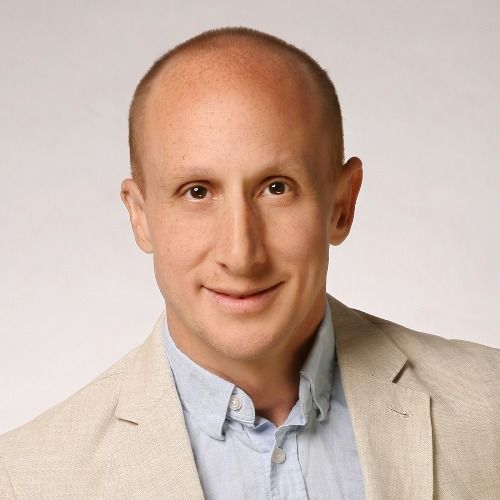
Daniel Rodriguez – This Farmworker's Son Seeds Million-Dollar Verdicts
Daniel Rodriguez is the child of migrant farm workers who settled in California’s agricultural heartland, where his law practice is based. So it makes sense that the metaphor he uses for his voir dire technique is “seeding.” With $122 million and $116 million verdicts under his belt, Daniel explains this and other strategies to hosts Harry Plotkin and Dan Kramer. Tune in for his insights about where clients should be in the courtroom (out of it) and what his biggest verdicts over the past five years have in common. Spoiler: He held off giving a specific damages number.
Learn More and Connect
☑️ Rodriguez & Associates | Facebook | Instagram | LinkedIn | X | YouTube
☑️ Harry Plotkin | LinkedIn | Facebook | Instagram
☑️ Dan Kramer | LinkedIn
☑️ Kramer Trial Lawyers on LinkedIn | Facebook | YouTube | Instagram
☑️ Subscribe: Apple Podcasts | Spotify | YouTube
Produced and Powered by LawPods
Transcript
Ready to take your verdict and jury selection to the next level? Jury consultant Harry Plotkin and trial lawyer Dan Kramer are your ticket to tipping the scales before trial begins. You're not just picking a jury, you're Picking Justice, produced and powered by LawPods.
Dan Kramer (:All right. Hi everybody. Welcome to another episode of Picking Justice. Harry, what's going on, man?
Harry Plotkin (:Ooh, there's always something going on. A lot of stuff with the kids, a lot of verdicts coming in. I had one closed yesterday and one closing this morning, and the easiest kind of case, med mal cases. How come you're not doing more men mal cases, Dan?
Dan Kramer (:Yeah, man, no. I'm good on that.
Harry Plotkin (:Get your MD and you know all the science on the medicine.
Dan Kramer (:Yeah, no, I'll take a pass. Don't send me those, please. Do not send me those cases. But I am extremely excited about our guest today. He is a legend in not only California, but throughout the country, he was one of my teachers at the ranch in 2015, I think week two. He's just a guy that is just one of the nicest guys you meet, but then crushes it in the courtroom. 122 million, 116 million. Just these crazy numbers. I'm looking at his website, but he comes from very humble beginnings, worked as a farm worker, looks like throughout the Southwest. Actually reminds me of the story a lot of the way my mother-in-law, she had a very similar path, Daniel, and she's in Fresno. Grew up in Sanger area. And Daniel Rodriguez-
Daniel Rodriguez (:I'm familiar with Sanger, very familiar.
Dan Kramer (:Yeah, yeah. No, it's a great ... I love that part of California. And Daniel Rodriguez, our wonderful guest here today. I'm really the king of Kern County, but he tries cases everywhere. And you still teach at the ranch, don't you?
Daniel Rodriguez (:I do. I do.
Dan Kramer (:Really excited to have you. Been wanting to have you on our show for a long time, and I'm glad we got you. I want to kind of kick this off. Obviously, your background, just from your own childhood, really in jury selection, how do you talk about it in jury selection to get them to understand that the value of a farm worker or either their life, if they've lost it, or their injuries are worth just as much as a CEO or it has significant value? How do you kick off that concept or how do you approach that in jury selection? Because I know you represent a lot of people in that community.
Daniel Rodriguez (:So here's the deal. I think I got the best training ever for voir dire and I didn't even know it was happening. And you've heard how I grew up. Migrant farm workers, I was born seven miles away from the Mexican border in Texas. I'm still a Dallas cowboy fan. We grew up picking cotton in Texas, Arkansas, Louisiana. My dad heard that the streets were paved with gold in California. So we started coming out to California. Didn't pick cotton in California, but we picked everything out. And we would attend between three and five different schools every year. And now mind you, my dad never went to school. My dad was illiterate, couldn't read or write in Spanish nor English. My mom had a third grade education. But because of that, they valued education. But anyway, we attended between three and five different schools every year growing up.
(:And what that meant is I would arrive at a new school and I had to figure out pretty quick whether the kid who was walking, the crowd of kids that was walking across the quad, were they there to greet me or they friend or foe. So I had to learn how to talk my way into things and how to talk my way out of things. And now looking back, I think that was how to build rapport, how to validate people's feelings. Now, I didn't call it that at the time. It was just, "Hey, just trying to make sure I didn't get beat up by the local school bully." So that taught me how to break the ice and talk to folks, which is not that much different than what we do when we pick a jury, right? There's 12 strangers, you're getting up there and you got to figure out how to connect with them, how to build rapport.
(:Now that we think we're a little bit more sophisticated, we think of therapy speak, right? How do you honor somebody's answer? What does that mean when you say honor? I'm very literal because English was my second language. So growing up, I'd hear people say things like rush hour. And I think to myself, everybody's standing still on the freeway, so why do they call it rush hour? Or I would hear things like hard rock and I would think of a stone and I would think, what does that have to do with music? I don't get it. And then the spelling would drive me crazy. And finally a teacher said to me, "Well, the English language is not phonetic." And then after she talked to me, I thought, "I'll look up that word." And when I looked up the word, I couldn't find it because it didn't start with an F.
(:Phonetic is not even spelled phonetically. So because of that, I pay much more attention to what people say, and even more importantly than that, trying to figure out whether this kid is a bully or is he a friend, a friend or foe, not knowing, not being aware of it, I think I learned a lot about nonverbal communication and that has really helped me immensely in trial work. So-
Dan Kramer (:It was like it was survival.
Daniel Rodriguez (:Yes, right? You didn't have any choice. So those kinds of things. Now, getting back specifically to your question about how do you talk to people, how do you talk to folks on the jury about coming back with a big number? And the way I think about it is, first of all, I look for a universal story and it doesn't matter what the color of your skin is, what language you speak. There's some universal stories. As a parent, what is the number one priority as a dad that you have? If you really sat down and thought about it and wrote it down, probably it would be, I want to make a better life for my kids. That's universal. And so it doesn't matter whether my client is a farmworker, the decedent, maybe I'm representing a widow and children of a farm worker who made all of $15,000, $20,000 a year.
(:So first of all, as I wave economics, because it's going to be a small number, and again, just a universal story. And then I try to pick the person in the extended family if necessary, who looks the most assimilated and sounds the most assimilated. So it might be the child's cousin, and the child's cousin was about the same age, and now she's at a freshman at Fresno State majoring in accounting. And then last but not least, two things. I've forgotten the casing numbers, but I always, I think every single time, use these two jury instructions in my closing argument. Insurance, in fact, we just had an opinion from the Fifth District come back on a case where we already collected 72 million and there were two other defendants left in the case, one of whom we had opened the policy against. And we got 26 million against that defendant, went up on appeal for three years, and it took us seven years to try the case because it went up on appeal twice, we got it reversed, and then we finally got to try the case, then it went up on appeal again.
(:And we just got the verdict, the opinion rather, come back last, now it's two weeks, two weeks ago. It came back, we won on every point. Now the pre-judgment and post-judgment interest on that part of the judgment alone is up to 42 million. But in that case, one of the arguments that the defense made was that I had argued about insurance, which it did, right? But I put up the jury instruction and said, "Folks, did you hear me or anyone else ask any question of the corporate representative or whoever it was? Did you ever hear me? " "Sir, do you have any insurance? How much is it? Do you have a hundred million worth of coverage or zero or whatever? "And now the reason for that, and I go into, we call a ball of ball strike a strike. We want you folks to make a decision based on the merits.
(:The court of appeal said," That's perfectly fine. "Can argue that. I'm arguing a jury instruction. And in the second jury instruction that I would-
Dan Kramer (:Well, you're stating the law more importantly.
Daniel Rodriguez (:Exactly, right? But somehow it's been interpreted by defense lawyers as you can't talk about insurance. Well, of course I can talk. It's my interpretation of the jury instruction, right? And then the second jury instruction I put up there is the wealth of the parties. And I talk about in voir dire, I start off by saying something like this. Folks, now part of the job of a juror in this case, in these kinds of cases, civil cases, is to come up with a value, to put a value on certain things. Now the law doesn't call ... And Your Honor, may I do this and just to give context to this, they call it damages, but it's just another word for money and it's value. And your value on such things as good health. Mr. Jones, may I start off with you, sir? What does good health look like in your life?
(:Mr. Jones will say," Well, I'm a grandfather. It's holding my babies and so forth. Thank you. Ms. Martinez, what about you? How does good health show up in your life? "And she'll say," Well, I'm a teacher and getting a smile on my kindergarten kids, "and she's smiling already or just telling the story and you validate her feelings and you reflect the feeling and you say," That must make you proud. "So I go through and I cultivate, I call it seeding. I'll ask six people about how good health shows up in their life. And then I'll ask the last one I'm talking to about it, I'll ask," Does that have any value? "And they always say," Yes. "And then I go back to Mr. Jones," Mr. Jones, picking up your grandbabies and playing with them, does that have any value? "I say," Yes. "Right? So that's how I planted the seed in voir dire.
(:Then in closing, I talk about, and I put up a slide that says, I talk about justice and what perfect justice looked like and perfect justice. What would that look like? Perfect justice would be if you had the power of the Lord to wave your hand and make Mr. Martinez come back through that door and sit down next to his wife so she could get a chance to tell him," I love you. "She didn't get a chance to tell him that day when he left for work. But folks, we can't do that. So what can we do? If we can't do that, and then I put up the slide that says," Justice is to return what was wrongfully taken from another. "And I cringe when I hear lawyers talk about my client lost her husband. She didn't wake up one morning and he'd fallen out of her pocket.
(:He was killed. He wasn't lost. So it's not about losing somebody, it's about that defendant had no business, had no permission to take the life of this man. No,
Dan Kramer (:I love ... And I want to break this down a little bit with Harry too, because I want to start with the insurance thing. I've actually been ... I've learned from Harry. It's just I do weave in the insurance and my jury selection a lot more lately. Harry, what is some of the ways you and you have your attorneys that you work with kind of bring in the insurance? Because I think it is an important point. I think Danny's right. I don't think it violates the law the way you do it, but not a lot of attorneys do it because they're so scared, is my point.
Harry Plotkin (:Yeah. I mean, and sure, I mean, I have seen judges that if you mention that word in any context, they start screaming at you and what are you going to do? But should that mean that you should get scared and never do it? No. I mean, there's judges who have all kinds of crazy rules and you just kind of go, okay. I mean, I've seen judges who say it would be inappropriate to ask them their hobbies, so don't worry about that. It's especially important to do it, talk about insurance in cases where you're suing an individual because that's where jurors really go, oh my gosh, we're going to ruin this guy's life. I think most jurors know that companies have insurance. They're kind of mixed about whether a school district has insurance, a public school or cities and things like that. They kind of worry a little bit about their resources.
(:But I think either way, no matter who your defendant is, I think you have to find ways to not only let them know they're not supposed to consider it, but let them know, " We can't talk about it. And I wish we could tell you about it. I'm not allowed to talk about that so that they go, oh, okay. "It's a good answer for you. I mean, if you sit there and you make it seem like this person doesn't have insurance or that they're going to have to pay out of their own pocket, jurors really, even some of your good sympathetic jurors who are going to be great for you who would put a high value on these things, then they feel sympathy for the other side. So I think you have to say," Don't worry about it. You're not going to hear who's paying the verdict, how it's going to be paid.
(:"I think you have to heavily suggest in a bunch of different ways, don't worry about it. And then ask who was going to worry about no matter what the judge tells you. But yeah.
Dan Kramer (:Yeah. I had a juror in this last trial last week that said," I'm really worried about what if the verdict, and God bless him for saving. What if the verdict came in at 10 or $20 million? I don't understand, Judge. I just don't understand. How could she pay it? I don't understand. I don't understand it.
Harry Plotkin (:"Yeah. Then you say," Well, I mean, it sounds like you're making an assumption about who would pay it and you're not going to hear about that. I can't tell you about that.
Dan Kramer (:"He did that during the judge's questioning, but that allowed me, because the judge didn't shut it down necessarily, but he obviously you cannot consider it at all. But it did allow me to get a bouncing off person because I'm like, " Yo heard what the judge says.You're not to consider it. You're not consider whether she has insurance or not. You're not even really consider who that is. It doesn't matter if it's Amazon over there. That doesn't matter. You're just appraising, like Danny saying, the value of what was taken from somebody. And then I was able to ask other people who felt that way. So it was good, but I do think it's super important to talk about.
Harry Plotkin (:Yeah. But I think it's important to tell them the reason that you're not going to hear it, you're not allowed to consider it is because we're not allowed to talk about it. We're not allowed to tell you. And because we're not allowed to tell you, it sounds like you're making an assumption here. And we ask jurors not to guess and not to award any less or more, but certainly not any less because of an assumption that may be wrong. And I love lawyers to tell the jurors in closing to tie that up at the end and say, this is the value. This is a real value of what it is. And we don't want to have any regrets at the end of this trial. If you hear something that you weren't supposed to consider about maybe who's paying it and say, "Ah, I would've ordered a different number if only I knew." We don't want you to have any regrets so you can't change that number based on an assumption that may be totally wrong.
(:So I think you got to keep just hammering with that like you might be wrong. It's an assumption, it's a guess. So that they're going, "Okay, there's something else that's going on here." But it's tough. It's tough to dance around. But I mean, Dan, have you ever had a defendant? I've seen it before. Defendant insists that jury instruction about the lack of insurance not be read. I've seen defendant say, "That's our instruction that's supposed to help us and we don't want it to be read because we don't want to draw attention to the insurance issue."
Dan Kramer (:Usually they do a motion in limine, just you can't talk about insurance. I don't know. Danny, have you had that where defendant has tried to not even have the jury instruction read?
Daniel Rodriguez (:Yes, that's happened a couple of times. And I've just said to the judge, the case instructions and it's either party can request it. It's the law. And it's just a natural curiosity on the part of some jurors that they're going to be thinking about it. So that's why that jury instruction's there to tell people not to consider it. And it's only happened a couple of times, the judges-
Dan Kramer (:It also goes to medical insurance though. I mean, so it protects us on the collateral source rules. Danny, going back to, I really like the way you set up the value over ... It's money and damages, but it's also, it all just means value and it's recognizing the value. I really like that a lot. Do you though address in that case or other cases where you do represent a farm worker, do you hit that head on? I mean, because Harry and I were talking before this, and I think one question, Harry, you were saying you always get is, how do you find out if people are racist on the jury?
Harry Plotkin (:Yeah. I can't think of someone better to answer that question, Danny, because you're probably dealing with a lot of minority plaintiffs and you're in Bakersfield where I think a lot of people know there's some very, very conservative white jurors. And that's the hardest question I get asked is like, "What's the question that you asked? Anybody here racist? I mean, that just doesn't work. No one's going to raise their hand."
Daniel Rodriguez (:Well, before I answer that question, I kind of get a big chuckle when I hear urban lawyers, whether it be LA, San Francisco, San Jose, and they'll say things like this, "Oh my God, I got assigned out to Torrance, Simi Valley." And it's real conservative jurisdiction. And I kind of chuckled to myself and it's like, Kern County, I think Trump won by 20 something points, right? Kevin McCarthy, the disposed speaker of the house was from Kern County. But anyway, here's the deal.
Dan Kramer (:We have a lot of listeners throughout the country, a lot in Texas, Georgia. And so I think the advice you're going to give would apply to any of those areas.
Harry Plotkin (:Yeah. Some of them are probably saying, "I'm from Mississippi. What are you complaining about Kern County?".
Daniel Rodriguez (:So you're right. What are we going to do? Who here has a racist bone in their body? Somebody's raising their hand. So something that, and Dan's very familiar with this, this approach about, said, "Look, folks, when I first got this case, I opened up the file and I saw, and then I met my client for the first time. Joey here, Tony here was African American. And I got to tell you the way I was raised, I wasn't around. I don't think there was a single black kid in my town that I was growing up in. And then when I looked at him and I see these tattoos on his face and stuff, it scared me. So almost from the get- go, my feeling at that time was he's guilty of sin. That's my first thing that went through me. So I'm wondering who here might be feeling the same way that I did.
(:It just looks scary. Now, I didn't say because he was Black, but the insinuation, the implications there.
Dan Kramer (:But that's when you have the tattoos though, right? What if it's more like I'm going to trial in a few weeks in San Bernardino where my client's African American? I mean, I don't know. I don't even know if I should address it or worry about it or what.
Daniel Rodriguez (:Here's me jumping in, are you making some assumptions? I wouldn't worry about it in Riverside. And then that's where the universal story comes in. I don't know what he does, your client did or does for a living or the people around him. As long as he's got that universal story, I'm assuming he doesn't look blatantly fit the negative stereotype, the tattoo, the shaved head and that kind of thing. And to answer your question, Harry, I was talking about the nonverbal communication and it's weird. I cannot articulate. I cannot put my finger on it. But if you grew up the way I did, I remember being at a school where my brother and I were in line, and this is in the Texas Panhandle, and we were speaking to each other in Spanish. The teacher caught us speaking Spanish to each other, sent us to the office, and we got a ruler across the hand.
(:Another thing, one of the first signs I learned to read was a sign that said it was white and it was about two feet long, blue perimeter, white background with blue letters, and it said, no Mexicans served here. So you learn how to read people, just the nonverbal communication. Now, I wish I could tell you it was the way he crossed his eyes, it was the way he touched his nose, I can feel it in my bones, right? So I wish I could be more helpful.
Dan Kramer (:Yeah, no, no, no. But Harry and I have had this conversation a lot. Harry, you wrote me a really good question for that trial we had where we represented a gentleman who was an immigrant, didn't speak English, lived here for 30 years. And I actually did it. I think I brought it up based on just he didn't speak English, not that he was Hispanic. And ironically, I want her to answer it a second, but just thinking about that story, when I said that, I said he's been here 30 years, doesn't speak English. Does that bother anyone? Does anyone think if you live here 30 years, you just speak English? I had four hands raised. It was all Hispanic women who said, "My dad came here and they learned English." And each of them were very adamant. They were very upset by it. The fact that he's been here 30 years and hasn't.
(:So it's not always just the white guy, it's not always that. I wouldn't just stereotype that way either. But Harry, what are some other ways that you've kind of hit that head on, especially if your client's an immigrant?
Harry Plotkin (:Right. I mean, one thing that I've been doing more and more of that I think works is that racists will never tell you they're racist. Racist jurors though, there's certain views and values that they have that they feel comfortable expressing. And you got to find the things that they feel comfortable saying. And one of them that I think works the best is they'll be very quick to tell you if you say ... Some people feel like people who come from a poor background or ethnic minority or whatever these things, that's a handicap in life that's really hard to overcome. And that's tougher for them to do certain things on a case like reading and you could say my client has a ninth grade education and they didn't understand a contract or whatever, but what are your views about that? And a lot of the racists will tell you that's not an excuse.
(:Nothing is an excuse. Where you grew up is not an excuse, lack of education, that's a point of view that tells you they're kind of racist because at least to some degree. And they're going to hold it against your client because I think the jurors you want are people who understand that there's a lot of things in life that are with equity that, "Hey, I'm not going to judge somebody who came from that background the same because they don't have the same access to education and information and all these things." So you have to kind of tailor it a little bit to the facts of your case a little bit maybe, but I have found that racist jurors will be the first ones to tell you personal responsibility, no excuses.
Dan Kramer (:We had this good conversation with your buddy, Joe Freed, Danny, on this topic he was trying to case in South Georgia or something. His clients were Hispanic and there was like a bunch of jurors were just open. They were just like, "I don't like these Mexicans being here. I don't like ... " And I do wonder if you've experienced this, Harry, kind of in the current and the post-Trump world that people are more vocal. They're just willing to say things more openly, maybe not, but-
Harry Plotkin (:Probably not as much in California as they are in other places. Yeah, maybe a little bit. And I guess I do so many cases here where you have to look for subtle ways for them, but yeah, if you're trying a case in Mississippi or Georgia, maybe it's a lot easier to get people saying, "I don't like immigrants."
Dan Kramer (:But he actually kept them on because he had them talking about the oath. And the oath was more important to them than judging someone just because of the ... And they actually, the way Joe told it, it was that basically they believed in taking their oath and their oath said, "You cannot judge ... You just read the jury instruction. You can't judge someone based on the color of their skin, their national origin and all that. " And the oath was more important. And then he was able to kind of force it in closing because if they're going to give a bad verdict because of that reason, then they're violating their oath. So they stuck to ... And he actually kept a couple of them on. I wouldn't say do that every time. Be careful doing that at home. It's very scary.
Daniel Rodriguez (:Dan, going back to your point about the four or five Hispanic women who all raised their hands, "Hey, my dad learned to speak English, whatever." One of the things that is not always apparent to everybody is this, I tried my first jury trial within 30 days of getting sworn in. So I've tried about 150 jury trials. And early on in my career here in Kern County, I was trying a case and I asked this juror what his name was and he said his name was Milton Chavez, not Chavez, Chavez, how you pronounce it. You can say Ramos, Ramos, or Ramos. And if that juror introduces himself or herself as, "My name is Stephanie Ramos," that tells me a lot about how that person views themselves. Then I tried a case in East LA and here in Kern County, I introduced myself as my name is Daniel Rodriguez.
(:I go to East LA and I was culture shock. I walk in, it's a Latino judge, Latino bailiff, Latino clerk. Everybody in the courtroom is Latino, okay? And the jurors were introducing themselves and they were saying, "My name is Maria Garcia. My name is Oracio Ramirez." So when I got out to introduce myself, it wasn't Daniel Rodriguez, it was Daniel Rodriguez. So when in Rome, do as the Romans do, right? But that tells me a lot when somebody, how they pronounce their name, at least Latinos. It's like if they don't have a name like Juan, they have a name like Jonathan that tells me something about them and how they pronounce it. That gives me insight into them.
Dan Kramer (:Well, let me ask you, on the case you tried, if you have someone that pronounces their name like that, what kind of questions would you ask to try to understand? Are they going to devalue the person that is an immigrant here, that doesn't speak English, maybe they're fourth generation Californian? How do you address that person?
Daniel Rodriguez (:Well, first of all, I don't go at it head on to begin with. And I know that's contrary to the conventional wisdom nowadays that you're supposed to hit him. No, at least my approach, and I'm just suggesting it, it works for me. It's a more softer approach. So you said, now Ms. Ramos, I don't know if this became clear, but Mr. Ramirez here, and I don't call him Ramirez because she said her name was Ramos. Mr. Ramirez here, I Anglicize it. I don't say San Pedro. I say San Pedro, depending on where I'm at. All right. Then I say, he's been here 30 years and he's embarrassed about the way he speaks Spanish. It's broken Spanish. And I'm just wondering how that might sit with you. So how I softened it rather than make it so ... He's been 30 years and he doesn't speak a word of English.
(:I guarantee you that he speaks some English and I guarantee you that he's embarrassed about eating the broken English. So that shows implicitly that my client is trying. And then I listen to the response. More importantly, I watch the response, right? I'm sure we've all heard it from the neck up, we can lie. And then when I have somebody on my team watching the other jurors, because they're going to express their feelings when they don't think they're on the hot seat. And then when I go back and somebody says, "Yeah, juror number one over there was nodding their head and frowning when this was said." That to me is more important information than what this juror told me or is telling me.
Harry Plotkin (:I always hope the defense doesn't see it. When I've seen somebody get up there and say, "Yeah, I think personal responsibility or people should..." Sometimes I'll look over and I'll see what the other ... The more controversial they say, the more you look at the rest of the jurors. And sometimes I'll see a juror get really angry at an answer and I'm like, "I hope the defense didn't see that because that's gold."
Dan Kramer (:On that note, if a client speaks a little bit of English, but they're going to need a translator, do you like to start your direct examinations and them trying to do English and then have the translator sit there and then just be like go into ... Because I've been doing that sometimes to simply show what your point is, Danny. And it doesn't matter if it's Hispanic, Cantonese, whatever, Arabic, all of it. I try to do a little bit of English, at least that show that-
Daniel Rodriguez (:Exactly. That's what I do. I put them on the stand, "What's your name?" The few basics and then get across. And my clients, I'll have them say to the jurors, "I'm sorry. I don't speak English as well as I would like to. I'm embarrassed. I'm trying. So if it's okay, I'd like to speak in Spanish from now on. " And usually that, I shouldn't say usually, it's always worked.
Dan Kramer (:Yeah, I totally agree with that. I think everyone here should ... Even just the first hi, hello. I mean, anything they know in English, just at least show that they're trying. And I really like how you frame it as they're embarrassed by it because that's probably true. I mean, they wish they spoke English, I'm sure.
Daniel Rodriguez (:And you know where I got that from? My dad, at the age of five and he passed away at the age of 78, my dad spoke broken English and here six of his kids had college degrees. And he would say to people in English, "I don't speak very good English. I'm sorry." And my dad was genuinely embarrassed and that's part of my being. I understand that. To me, it's almost universal. And to your point, Dan, it doesn't matter wheth it's Arabic or Cantonese or whatever it is. Most folks are embarrassed because they're trying.
Dan Kramer (:What is interesting too, as you're saying that, is that I think good human beings are almost all human beings, when they see someone who does struggle, but then our inclination is to try to help that person. It's like if I see someone that needs either directions or trying to go somewhere or even in court where you see trying to go and they're really trying to speak English, but they can't very well, I'll go out of my way to help them even more, I feel like. And I think most people naturally do that. It doesn't matter, not just lawyers, but most people will naturally do that. So if your client is doing that, there's something in the jurors that are just going to be like, "Oh, this poor guy, let me help them along." Even though they can't do it, I think there's that notion, I think you want the jurors to do that.
Daniel Rodriguez (:It's easier for me to want to help somebody if they're trying to help themselves. If they're not helping themselves, it's hard for me to try to help them. But if I see they're trying to help themselves, let me jump on board and help them.
Dan Kramer (:Let me just ask you in many opening then, do you bring up the fact that my client came over here, didn't make much, he didn't have much, but we do believe the case is valued over a hundred million dollars. Do you talk about that in your many opening head on?
Daniel Rodriguez (:I don't do many openings. I've done them before in the past. I've gotten away from them. And I know that's contrary to conventionalism and I don't give numbers in voir dire nor in opening statement. Now, my trajectory has been, when I first started out, I wouldn't talk about numbers and voir dire in our opening. And then the conventional wisdom is, well, you got to break the number to them and then you got to give them a number and then you got to give them a specific number. And then if the judge doesn't let you do that, then you say tens of millions or whatever, the whole bit. And I have found out over the last five years, in fact, my biggest verdicts have all come where I have not given a number. And maybe this is just me, my imagination going wild, but I think of somebody, a good salesman selling a car, somebody says, "I want this car.
(:How much is it? " He tells them it's whatever, 50,000, 100,000. But a good salesman says, "This is the top performance sedan in its class and it's got these wheels, they're the exercise and it's got the best stereo in his class." And then it gives them the number. Same thing here. I think I'm going to lose good jurors if I have good liability. If I tell them the number because they don't know the facts yet, they haven't heard the piss off points, especially conservative jurors. If I have a strong liability case, they're better than non-conservative jurors, but now it's justified in the right ... Because they have no idea when I ask them at the beginning, I'm going to be asking for $20 million for the death of this child or whatever.
Harry Plotkin (:Because you know what their jurors cap is? Jurors cap isn't always the same. In jury selection, their cap is probably ... There's some jurors who probably tell you my cap is a million dollars. And then the longer trial goes on, their cap, by the end, it's like, "My cap's actually a hundred million right now." But if you ask them at the beginning, my cap's pretty low because they don't know anything, but that cap changes a lot, right? And so why would you cap it early when they're capable of getting there? Yeah.
Daniel Rodriguez (:They haven't heard that the defendant violated every safety protocol rule and they knew about it and they got in trouble for it and so forth and so on. They don't know that. So when I ask them for whatever 10 million at the beginning, they haven't heard any of that, of course they're going to say, no way, know how would I ever give whatever. But if I give them the number after they've heard all the horrible misconduct on the part of the defendant, I say, "Of course." Anyway, that's kind of my approach.
Dan Kramer (:You said something, you said, "I don't want to lose a juror if I say that. " When you say that, are you meaning that the juror's going to give you, a good juror is going to say, "I have a cap like Harry's saying, and then you will signal to you that they're a bad juror and so you'll kick them or you'll try to get cause." What do you mean by you're worried that you would lose them by giving them a big number in mini opening, for example?
Daniel Rodriguez (:A juror that I would otherwise think is a good juror, but they have this cap without hearing the circumstance of what happened, more importantly, why it happened because of the greed, the whatever it is on the part of the defendant. I'm going to lose that juror because once he publicly says, "My number is a million, my cap is a million," it's going to be really hard for him to come off that number during jury's deliberations because he's publicly staked out a position, right? It's a million bucks or whatever it is. That's my thinking because most people, once they've heard all the facts, it doesn't bother them. My recommendation to you folks is that it be between 10 million and 20 million. And then I tie it up to the Casey instruction about what are the guidelines to be reasonable and common sense. And I tie it to an argument that I've been developing the last few trials about what are the most valuable things in our life.
(:If you walked up to somebody and said, "Hey, what's the most Most valuable thing in your life. Most folks might say what? Faith, family, and good health. Now, doesn't it make common sense? Isn't it reasonable to think that good health, if it's one of the most valuable things in your life, would be worth at least 10 to 20 million, whatever it is. Doesn't that make sense, folks? Because the other side gets up and says, "Well, it's not reasonable. It's not common sense." I've already addressed it.
Dan Kramer (:Yeah. Well, especially because you've already planted the seed in jury selection with those six people you start with on value. I just think the words we choose are so important. And are you even talking about damages or money? Are you always saying value? Is that the word you're using?
Daniel Rodriguez (:Just so the judges won't shut me down, I say damage. Now the law, just to give context, use that word to signal to the judge that, hey, this is just context so they can answer these questions. The judge will go into more detail on what the law is, but just to give you some context, folks, the law says it calls it damages. Another way to look at it just in plain English, I have to use simple. No, plain English. See, I pay attention to those words. So I say good health is a way to look at it. And that's how I launch off into that discussion with folks.
Dan Kramer (:I'm trying to look. I'm looking right now to see if the jury instructions do actually ever have the word value. They may. I don't know.
Daniel Rodriguez (:They don't.
Dan Kramer (:They don't? I'm sure you've looked. Yeah. It just says the damages you must award have to be just whatever is the one.
Daniel Rodriguez (:Be reasonable and use your common sense or something like that.
Dan Kramer (:All right. Well, with that, let's take a quick sponsor break. Again, always thank you to LawPods for putting these on, really helping educate the next generation and the old generation and the current generation of trial lawyers out there. So Danny, just real quick, because I've done the same thing, man. I did the ask for exact number. I think I read David Ball's book and it said ask for the exact number. So I started doing that. And then I was like, I don't know if this is really ... It felt flat a couple times. And then I was like, okay, I'll just do many millions. And then that kind of ... It worked. It worked well. And then two trials happened and I did it and then asked for way more than the jurors were expecting at the end of the closing argument. So within what I've started to do my last few is I put in ranges, like well defined ranges for non-economic damages at the end of my opening statement.
(:And I still say many millions at the end of my mini opening. So it's always kind of like, oh, what's happened in the last few trials? So I don't know. It's just kind of different data points. But I just do want to finish that conversation. So Danny, at the end of your opening statement, are you even saying a range of numbers or are you saying by the time they've heard all the facts at that point, are you still just waiting till closing?
Daniel Rodriguez (:Still waiting for closing.
Dan Kramer (:All right, Danny. Look, your results speak for itself. That is interesting. And then just real quick, why don't you do a mini opening again?
Daniel Rodriguez (:My belief is we human beings make up our mind. We got these stories floating in our head, experiences. We hear something and right away we go to that story and it's not going to change. It's like a movie trailer. You watch a movie trailer and you see tanks, bazookas and machine gunfire and everything. It's a war movie, right? And then the movie starts and it's something different, but your brain is accepting everything into that pigeonhole to fit that story that it is a war movie, not a chick-flick. That's what you're doing. If I tell them in the mini opening, and I know the conventional wisdom is you give them all the bad facts, a lot of bad facts to weed out the bad people, right? That's kind of what I've heard. And I thought, no, because I know that once I get into the opening, which brings me to another point, attention span of jurors, right?
(:People say, "Do not give an opening statement more than 30 minutes tops because people now have the attention span of a goldfish." And what is that? Nine seconds. So do you know how long my opening statements are in the last 30 trials I've done, hour and a half to two hours long? And people say, "Oh my God, you must put them to sleep." I don't think so. And so how do I do that? You chunk the information. It's chapters and you have transitions in between. You will read a novel that big if it's a good novel, but it has chapters and transitions in between. That old Indian proverb, how do you eat an elephant? One bite at a time. So I'm going to take care of so much stuff in my opening statement. All the danger points, more importantly, it's going to include all of my piss off points.
(:In sequencing, I sequence the chapters and I play around with it. Every case is different. The general rule that you don't talk about the plaintiff in your opening at the beginning. They're right. Most of the time I start off with the defendant, but there's been a couple of trials where it worked out better for me. I wanted the jurors to love on my plaintiffs before they heard what the defendants did to them. Otherwise, they wouldn't care. Let me give you an example. In 1983, get excessive force. If you start off the story with the cops coming up on a car and there's a guy sitting asleep at the wheel in a parking lot at two o'clock in the morning and he tries to start the car or do something, they open fire on it. When you start the story off that way, everybody assumes this guy is sleeping in a car in a parking lot, he must be a bad person.
(:But if you tell the story, he's a college student that's driving from UC Berkeley down to Bakersfield and he stopped in Modesto and he stopped at the Walmart and he didn't realize they closed at 10 o'clock and he slept there because he was tired. He just finished a final. And now the cops come up to him. You're already loving on the guy. Maybe loving's an exaggeration, but you kind of like the guy and you understand why he's there. The other way, when you just started off with coming up on him, the cops, he's a bad guy. See, so some cases require that the jurors have some kind of relationship with the plaintiff before you say what happened to them or what the defendants, contrary to what. And David Ball's fantastic, but it's like everything else, right? You can't always do it the same way.
Dan Kramer (:I think that's a great point. I think when you have a very trusted relationship or when the defendant is someone like a cop or a doctor or someone of ... It's like you kind of got to get it in their minds the context like you did. I think that's really good advice.
Daniel Rodriguez (:Yeah. So my opening statements are long, but I take care of so much stuff in there. And Dan, you've heard this lots of times, especially at the ranch, right? What did Jerry Spence always say about it? Give me a good voir dire and give me an opening and the case is mine to lose.
Dan Kramer (:No, that's extremely true. That's why I spent a ton of time on my openings getting them perfect. But sorry, have you not even told ... I just want to make sure I get this clear. The jurors don't even know that you're asking for hundreds of thousands dollars or millions of dollars until your closing argument.
Daniel Rodriguez (:Right.
Dan Kramer (:I love it. This is why I love getting different perspectives. Harry, what do you think?
Harry Plotkin (:I think both ways. I mean, there's pros and cons I think to both ways. I could list over the ones of the people who like to say give a number early on, but I don't necessarily think that that's always the best way to do it. But some lawyers get incorporated in the way that they do it and they get away with it really well. So I kind of lean a little bit toward what Danny does. I think you do. I like to give them a sense it's going to be a lot, but you don't have to put a specific number on it. But I think jurors don't know how much they're capable of giving until they hear a really good case. So I don't like to get a lot of false negatives about people who go, "I never." And then at the end of the case, some of the times those are the best jurors, the ones who had the biggest concerns.
Dan Kramer (:Yeah. You were telling me in employment cases you don't recommend giving an amount or even talking millions, right?
Harry Plotkin (:Yeah. I mean, it's a case where wrongful death case or somebody is quadriplegic. The jurors get why. If you were to throw a number in voir dire, they get why. They go, somebody's dead, of course. But an employment case, they never know. Someone just lost their job or something or how they were treated at their job. I don't get it. By the end, they get it. But you're right, the less they can get it at the beginning, the less I like to tell them in voir dire. But I always like to say something like in the mini openings or the voir dires that I write, tell them like, "We're going to ask you at the end of this case to agree that these things, the value of someone's quality of life or the trauma that their emotional wellbeing are not cheap. They're the most valuable things we have.
(:And so we're going to be asking for you to put a significant value on those things." I usually do like to say it's probably going to be in the many millions, but I don't expect you at all right now to agree with that. Just want to see if you're open to it. But yeah, I agree. I don't like throwing out numbers. And I've seen it the other way where a friend of mine, Grayson Goody, we picked a jury and he gave a number I think in his opening and then the trial went so well and our jury was so good. He asked for more in the closing and they gave him what he originally asked for. And they said the one thing afterwards he talked to him, they said, "We didn't like how you asked for more money at the end of the case. You said it was going to be six and then all of a sudden it was going to be nine." So he kind of capped it for some reason.
(:So just wait to see how it goes because there may be a case, I'm sure you've seen it where you think it's a really good case and by the end of the case, it's not nearly as good as you think. Didn't go well. The defense did a great job. Your plaintiff screwed up or got impeached or something. And what do you do then? You get a backup. Do you ask for-
Dan Kramer (:Negotiate a high, low or subtle. Yeah.
Harry Plotkin (:You said 30 million in opening or voir dire and then they had subrosa where the guy's running them Iron Man or something. I mean, what do you do?
Dan Kramer (:So the last thing I wanted to talk to you about, Danny, is, and this is a topic that comes up all the time too, we get asked, is whether to have your client there, when to have your client there. And this is another one of those where my philosophy has changed, tried a bunch of trials this last year. I mean, it changed just because of what happened in two of the first trials. And then now I kind of have this philosophy I'm running with. So I want to hear what your thoughts are.
Daniel Rodriguez (:Well, let me give you an example. We tried a case in Iowa in 2024. I didn't pick the jury. Two of my partners were there. I was at my daughter's wedding. The first time the jury met me was opening statement when I got in front of them. And my rule is I do not have my clients there. The reason I don't have them there is jurors are bored out of their mind for the most part and they don't have anything better to do than to check out every detail of the plaintiff. The women are sitting there, the female jurors are sitting there and they're looking at your female client and saying, "She's got too much makeup on. She doesn't have enough makeup on. She shouldn't have worn her hair up. She should have worn it down." And then some other jurors say, "Shouldn't have worn it down.
(:She should have worn it up." And oh, she's smiling too much. Her husband was killed. Why is she smiling too much, especially in the hallway or she's frowning too much. It's hard to find joy if somebody is always depressed looking. So I take all that off the table. I just don't have my clients there. And I address it in voir dire. Not all the time. And typically, if the defense gets up and tries to make a big deal out of it, like in closing, well, they weren't even here. I get up and say, "Hey, I treat my clients like they're family. And the last thing I would ever want to have, depending on the case, and I would say to have, for example, my mom looking at any pictures of what happened to her son, how could that possibly be good for anybody or whatever the case may be?
(:" And that takes care of it. So I've never had any problem with that once I started doing that. Every once in a while I'll deviate and maybe introduce them during voir dire and then I ask for the court's permission to excuse them. And then I turn to the juror and tell them why. Because we're going to be talking about things that I wouldn't want my family to be listening to.
Dan Kramer (:Yeah. I don't even, I mean, and we've talked about this on the podcast a few times, but yeah, that's the same thing, man. I used to do it where I'd have them there and then have them walk out and leave and then have them there maybe during opening and then when they testify and then in closing again. But I just think as Harry and I talk about, it's like free subrosa. It's not worth it to me at all. I totally agree with your philosophy.
Daniel Rodriguez (:Not much good can come from having him there.
Dan Kramer (:Yeah. Harry, I think I know your thoughts. I think our listeners have heard. Have they changed? Have they changed since?
Harry Plotkin (:No, no. We talk about it quite a few times. And like I always tell people, if you draw the juror's attention to it, think about it for the first time and then they may have negative thoughts. But if you don't, they honestly, they don't understand why they're not there. They think usually these days, you come in for jury selection, like every seat is taken in these small courtrooms. There's not even a place for the plaintiff to sit. So they're not thinking like, "Oh," they just don't know when they don't see the other witnesses. And so they don't think about it unless you bring it up. So just don't bring it up.
Daniel Rodriguez (:Along those lines, I was trying a case a couple of years ago and the defense lawyer is one of the most charismatic people I've been around, big presence, eloquent, quoted to scripture right and left during voir dire. And he says to the jurors, "I like to introduce you to my ... " This is during jury selection, to the potential juror, prospective jurors. He says to them, "And then I'd like to introduce you to my mom who's sitting in the gallery. She's a superior court judge stand up from another county." And of course, I didn't object. It looked bad if I'm objecting or his use of scripture and so forth. So this is in Kern County. Kern County is the prison capital of the world. We have more state prisons in this county than any other county. And that means that a good percentage of the population are correction officers or related to corrections officers and they get paid jury duty.
(:So you get a lot of correction officers or family members. And one of my partners who was trying the case to me, her dad was a sergeant with a corrections office who just retired. And in the box, we hadn't finished picking the jury, were like three or four people who were either corrections officers or were related to corrections officers. So I thought to myself, "Two can play this game." So I asked my partner, "Can you have your dad and mom be there in the gallery tomorrow?" So I get up and said, "Now Mr. So- and-so here introduced you. " Now my parents have passed away, said I can't do that. But my partner here, her dad, here, could you stand up, David? This is David Trujillo and he just retired as a sergeant with a corrections office at Wasco State Prison. Just wanted to introduce him and his wife, lovely little wife stand up.
(:There's no one single way we do trials all the time. Now, would you have done that? Would I have done that under most circumstances? No. But the defense lawyer, if he would've complained, objected, how would that have looked? And these folks connected to this sergeant, retired sergeant who's a CEO. By the way, we did very well in that case.
Dan Kramer (:That's interesting. I mean, how are you finding the cop, military, correction officer? How do you talk to them in jury selection? Do you think they're automatically bad jurors for you or how do you feel about those type of jurors?
Daniel Rodriguez (:Generally speaking, they're good for us because they like to think, even if they personally don't follow the rules, they want the public to think they follow the rules. And you have a rules violation case that's pretty clear cut. And especially, this is what I found out with teachers and police, their job was to enforce policies and procedures. They turned out to be pretty good for us. Plus they're leaders on the jurors. They're not followers. They're leaders. So when they're back in the deliberations room and they say, "I'm a retired lieutenant with the Ventura Sheriff's Office." You know everybody in the room's looking ... They're the authority figure in that room. And they say, "Well, that would never have happened in my department because we have rules to follow in my jba." And I found that almost to be universally true. So I kind of like them in most cases, there's rules oriented.
Dan Kramer (:All right. Well, before we wrap up, Harry and I got a good question. It kind of goes back to what our topic in the beginning is just jurors, biases on race, ethnicity, religion, and all that. We had a good question from a listener recently who wears a Yamika and he was going to go to court. And obviously I think he had a concern about the Yamika and how in today's world, how jurors would respond to that. And this is the attorney. So I mean, could apply to your client, yourself, whatever, if there's anything about you that you don't want to hide or you can't hide, but you're worried about the bias. Harry, I thought you had a really good answer for him. What did you tell him?
Harry Plotkin (:I told him that I don't like any voir dire that gets into polarizing politics because you want your jurors to be on the same page. I mean, I think you have a good case and you try it right. Conservative, liberal jurors are all going to be with you and angry at the defendant. And anything you do to polarize the jury in jury selection and make them dislike each other and arguing is not good. So I don't think any voir dire that talks about politics or a few years ago, COVID and who didn't like the vaccines and who does like the vaccines or anything like that. Israel, hot topics like that. I'm sure Danny, I mean, if I was working on a case involving an immigrant or something, I wouldn't bring up ICE and immigration and things like that too much. It just gets jurors upset and then they start hating each other.
(:But I did say, I mean, bad jurors will usually, they see something they don't like. They'll come up with something that you talk about other topics and they'll find a reason to criticize you. And I think you emailed back saying, "Yeah, one of the jurors just started bringing it up on his own." Like I said earlier, I think you have to find ways to bring up topics that are socially accepted, whatever venue you're trying. And they'll find ways to complain about whatever it is, as long as you kind of put it out there. Have you ever talked in voir dire about something that was controversial like immigration or ICE or things that are hot topics right then?
Daniel Rodriguez (:I remember 25 years ago, I made the mistake, Harry, of bringing that up. Hispanic juror, nonetheless, and I had Hispanic clients with a wrongful death case. And later I thought about it, even in the moment.
Dan Kramer (:What did you bring up?
Daniel Rodriguez (:Oh, he said, "I don't think people should be in this country." This was 25, 30 years ago, right? They're not here legally. They should be arrested. Oh, he was a border patrol agent. That was why it came up. And I hear the name and they don't speak English and they're basically saying deport. And I kind of challenged him on that. And I was arguing with him. I was trying not to argue with him, but in the end I was. And I could feel the negative feelings just seeping through the courtroom. And I didn't know the words to put to it. Now Harry described it perfectly. Then the polarization starts and then you get people hating on each other. In that case, we settled it before the verdict came back in and it was a good amount, but I kept feeling not good about the jurors because it bothered me.
Dan Kramer (:Yeah. Negative energy does not help the plaintiff at all. You can have jurors like we talk about who are very angry, but they could be the happiest to each other, friendly and pause. And we see that all the time. So the best verdicts is when they get very angry, but then you hear them laughing. You can hear them laughing in the deliberation room. You get smiling, they're talking to each other. I would love an angry jury that's happy with each other because they feel like they're doing the right thing. But negative feelings, negative energy is always bad for us.
Harry Plotkin (:And anytime you talk about, I know a lot of lawyers like to do it. There's some hot topic of the day, like in politics or in something, they're like, "That'd be super interesting to bring that up because people are going to have strong views." And I guess probably they're thinking, "I don't have to do that much work to bring up Israel or Trump or whatever." But now you're bringing in something else that's kind of bigger than your case. Now it's like they're thinking about world politics and they should be thinking about safety rules and trucking companies or whatever. I mean, you're kind of like bringing in something else and distracting them a little bit, I think.
Daniel Rodriguez (:Yeah. To your point, Harry, the case is about whatever you spend the most time talking about, right? Whatever you focus on, that's going to be it. So I'm very careful about that. And I understand also the criticism. Critics come out and say, "Wait a minute, you're going to have other people talk about it anyway. I'm not so sure they're going to talk about these political things." It's just not going to be part of the conversation.
Harry Plotkin (:I mean, I think a lot of conservative jurors, you bring up, they don't want to talk about their politics and a room full of other people that are going to, where half of the people are going to judge them, they're going to resent you for it.
Dan Kramer (:They're already uncomfortable enough in that moment in court. They've been shuffled around, they feel very powerless, they've subpoenaed to be there, and then they're just going to want to argue with strangers about a bunch of bullshit that doesn't apply. I mean, that's not ... So I think the answer, Harry, was just don't bring it up. A juror may have brought something up, but I don't think it was directly attacking him for wearing a yamika. It wasn't like that direct or anything from what I recall.
Harry Plotkin (:I think they talked about, "Hey, I just noticed that you're Jewish and I've had a negative experience with a Jewish person in business or something and they tend to be cheap or something." And it's like, okay, so if they bring it to you, you didn't bring it up. I think that's better. And often the times they will. Yeah.
Dan Kramer (:Well, I'm sorry that happened to him. I mean, but again, at least the juror was being honest, I guess that's what we asked for. But with that, on that note, speaking of negative energy, but no, this has been great, Danny. I really have learned a lot. I love hearing your perspective on things and you have a great way of just making it very simple. And you don't talk like a lawyer. You don't use the lawyer words, which is great. And I think that jurors relate directly to that, which is an awesome thing. So hopefully everyone learned something today. I know I sure did. I'm going to start talking about value a lot more in my cases. So thank you so much, Danny.
Daniel Rodriguez (:You're welcome.
Dan Kramer (:Yeah. Yeah. This has been excellent. Keep crushing it out there. When I drive up to 99, going to see my in- laws, say hi.
Daniel Rodriguez (:As always, good to talk to you.
Harry Plotkin (:Yeah. Great talking to you. And so glad that you spreading your wisdom to all these lawyers over there. They love your ideas.
Daniel Rodriguez (:You mean my bad habit, but that's another story.
Dan Kramer (:All right guys. Well, thank you so much for listening and tuning in. We got some great people just like Danny Rodriguez coming up. So please keep tuning in and send us your stories. We want to talk about it. You give us good thoughts and issues that we want to bring up because lots of lawyers who maybe are out there trying case, they worry about wearing a yamoka. And now we can talk about that or whatever your issue is, please tell us because we want to help you all and educate and you're going to help educate others. So thank you to our sponsors. Thanks to LawPods as always. We'll see you on the next one.
Voice over (:If you're enjoying the podcast, the best compliment you can give us is sharing it with a colleague who would find it valuable. For all the best glips from the podcast, follow us on social media. You can find those links in the show notes. Have a jury selection story to share. Email us at podcast@pickingjustice.com, and we may address it in a future episode. Until next time, remember, you're not just picking a jury, you're Picking Justice, produced and powered by LawPods.