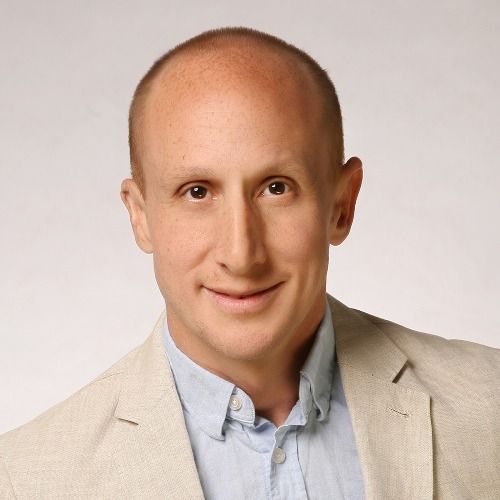
Arash Homampour – For-Cause Challenges and Money Talk in Voir Dire (Rewind)
A juror who promises to be fair may still not belong on your jury. Arash Homampour of The Homampour Law Firm, a trial lawyer known for winning eight-figure verdicts in cases others wouldn’t take, joins hosts Harry Plotkin and Dan Kramer to discuss making for-cause challenges stick. Arash explains why a juror who can’t be entirely impartial on even one issue, such as pain and suffering, may still be disqualified, and how he builds a record to prevent that bias from being rehabilitated. He also shares what to ask when a judge bars dollar figures in voir dire and why leading with a big number can work against you.
Learn More and Connect
☑️ Arash Homampour | LinkedIn
☑️ The Homampour Law Firm | LinkedIn | Facebook | Instagram
☑️ Harry Plotkin | LinkedIn | Facebook | Instagram
☑️ Dan Kramer | LinkedIn
☑️ Kramer Trial Lawyers on LinkedIn | Facebook | YouTube | Instagram
☑️ Subscribe: Apple Podcasts | Spotify | YouTube
Produced and Powered by LawPods, a podcast marketing agency for law firms
Transcript
Ready to take your verdict and jury selection to the next level? Jury consultant Harry Plotkin and trial lawyer Dan Kramer are your ticket to tipping the scales before trial begins. You're not just picking a jury, you're picking justice, produced and powered by LawPods.
(:Hey there. Before we jump in, a quick word. Every so often we like to reach back into the archive and reshare an episode that really landed with listeners. And this is one of those episodes. If you've heard it before, you'll probably catch something new the second time around. And if it's new to you, welcome. You're starting with one of the good ones.
Dan Kramer (:All right. Welcome back to another episode of Picking Justice. Really excited for this one, Harry Plotkin. How are you doing?
Harry Plotkin (:I'm doing great, man. Happy to have Arash on here because I got to tell you, Arash is not only I think one of the best trial lawyers of all time, but also I'm pretty sure he was the first CAALA lawyer to hire me back in the day. So if not for Arash, I might be some insurance company defense whore bragging about all the times that I denied some person a just verdict. Wow.
Dan Kramer (:Arash discovered that. This Harry Plotkin from the streets of Pasadena. That's incredible. But no, we have truly one of the best trial lawyers in the country right now. He's had just so many eight-figure verdicts. I mean, he's also a fellow Southwestern grad, a little shout out to the bison. He just won alum of the year. Very proud of his work he does for the law school, but just a great human being who has a great philosophy on life that I really think we can all learn from. And he also, I was thinking about that this morning. So he tries probably the toughest cases. Wouldn't you agree, Harry? I mean,
Harry Plotkin (:The
Dan Kramer (:Toughest cases out there.
Harry Plotkin (:Yeah. I mean, it's not just the size of the verdicts. It's outlier verdicts of cases where you see a $30 million case and you're like, I think most lawyers are like, "I wouldn't even taken that case." And they're like, "What am I missing here?" And it's like, you're not missing anything other than Arash won the case. So they're like the hardest liability.
Dan Kramer (:It remind me of the scene from Jurassic Park. You know the scene where the goat raises up and the T-Rex is going to eat and the goat doesn't get eaten? And it's like the T-Rex needs to hunt. It needs to be out there hunting. And I feel like a case will come in that any lawyer would salivate over and Arash will be like, "That's just too easy. I need to go out to get something."
Harry Plotkin (:Do you reject slam dunk cases first?
Dan Kramer (:I need meth in there.
Arash Homampour (:Yeah. No, no, no, no, no. Let's not get it twisted. I do not reject good cases, unfortunately no.
Harry Plotkin (:But those are the cases that probably settle, right? Those are the ones you're settling for huge amounts, right? Probably.
Arash Homampour (:Trying cases get you bigger settlements without a doubt.
Dan Kramer (:Yeah. So let's jump into it though. I want to get the purpose. We want to hear about how you do jury selection. Harry, let's kick us off.
Harry Plotkin (:Yeah. I mean, along with those huge verdicts that I'm curious to know, if other lawyers were to go watch you picking a jury in jury selection, is there one or two things that you think other lawyers would be like blowing their minds like, "I can't believe it. Why the hell do you do it this way? I've seen it done the other way. Most lawyers do it this totally different way."
Arash Homampour (:Well, I think the top trial lawyers all embrace their bad facts and get them out in open in voir dire and have the jurors hear it and get their reaction to it not after they're sworn in. And so that's counterintuitive maybe from old practices of trying kumbaya and selling your case as best as you can. I don't think you should sell your case in voir dire. I think you should just lay out the issues and then identify all the hot button, negative, horrible issues that jurors are going to think about, whether they're covered at trial or not, because that's your only chance to gauge what their response is going to be.
Dan Kramer (:What is your method for that? Are you one of these that in many opening, are you kind of just listing your bad facts? Do you weave it into a story and just leave out your good facts? Because I've heard some lawyers, and Harry and I have talked about it, they almost show their case as a really shitty case, even though it is a good case. And then they brag about getting 60 cause challenges and they get defensed.
Arash Homampour (:Right. So you've got to structure your mini opening in a way that you are justified by being in court and that you need these jurors to resolve this dispute, but you're not overselling your case so that you then arm the pro-plaintiff jurors with reasons why they're going to get kicked off. It's a delicate balance between not looking like you're just coming here trying to scam the jury and trying to get millions of dollars on a bogus case and at the same time identifying all of the issues that they're going to have to confront or may in their head confront that would make them not fair to your side of the case.
Dan Kramer (:In mini opening, for example.
Arash Homampour (:It's very simple. Here are the four issues. You're going to be deciding who was negligent. You're going to be deciding was it a substantial factor? And for example, I'll cut there. You got to identify the four issues or five issues the jury's going to be deciding. If you don't say substantial factor, the defense attorney's going to get up and go, Mr. Homampour didn't say substantial factor and then he's got 20 minutes of why you're not credible at the outset. But negligence, substantial factor, what are the damages? And then is there comparative fault typically? And then you flesh out a story that justifies being there, but not too many positive facts that you're arming the pro-plaintiff jurors with reasons why they can't be fair. And then identifying every single negative fact, whether they're going to be allowed to cover it or not, insurance, who pays, how's it going to be paid?
(:Is it fair? Speeding, drunk driving, meth use, whatever the negatives are, shared responsibility, you need to get it out in voir dire so that you can then intelligently have people look within and see if they can be entirely impartial on all issues, including that bad issue.
Harry Plotkin (:In voir dire, Arash, do you lead when you start asking questions about the bad facts and try to get bias first or do you talk about other things first? How do you usually kick off your topics?
Arash Homampour (:I mean, I actually have no idea right now you're asking me. It's really a very organic process and you just start with global questions like if it's a left turn case, how many people have made a left turn where an incident's been involved? Who here has strong feelings about motorcycle riders? If it's a brain injury case, maybe talking about brain injury. But you do need to structure your discussion in a way that it sounds like you deserve to be there, but again, you're not overselling your case. You can't just jump to who believes in giving $60 million for this type of an injury because you haven't earned their trust, you haven't earned their even logic. I mean, the way I think like most people is I'm very logical and mathematical. You have to prove liability first. You then have to get to damages. We don't start with the sympathetic plaintiff, here's a lot of money.
(:No one cares. No one's vested in giving you $60 million without a justification. And so many times you're going to ask the jury, look, you haven't heard any evidence and I understand it's kind of maybe off-putting to throw out this number, but I don't have any other opportunity to ask you if you can award this kind of dollar amount if the evidence justifies it. Now, before you get to that question, you need to lay out, you're going to hear evidence that my client suffered a brain injury and that brain injury requires 24 hour supervision and that 24 hour supervision requires this much money and it's going to cost this much. It's going to be a damage that's going to harm them for 40 years. So you give the basic facts that justify why you're asking for so much. And then you talk to jurors about who here knows, doesn't matter what evidence I give you and we show, you can't award more than X.
Dan Kramer (:You'll say that, you'll ask directly on who can't award. Is that kind of how you bring up the bias on money?
Arash Homampour (:Yeah. I mean, let's talk about that. Typically, I will not give a dollar amount. I want the jurors to give me a dollar amount. I think it's too premature. I haven't earned their trust or credibility. I think it's today would not give a specific dollar amount. I would invite the jurors to tell me a dollar amount. I will say, for example, this is a 40-year injury for the next four decades, my client's going to have whatever the issues are. And because it's a 40-year injury and because the law requires compensation for 40 years, it's going to be tens of millions, maybe not give a specific number and then have them come back at you with specific numbers.
Dan Kramer (:When do you give a specific number in opening statement?
Arash Homampour (:Sometimes I do, sometimes I don't. I think in some jurisdictions you shouldn't because they're already wanting to not like you subconsciously or consciously. And if you start focusing on money before you've proven your case, you may have lost your case.
Dan Kramer (:Yeah.
Harry Plotkin (:And that's something I see a bunch of times when an attorney starts talking in voir dire about money first, thinking that, "Oh, it doesn't really matter what order I talk about these things and their concern is money." But I've seen jurors loudly say, "I can't even believe you're asking me about this. You haven't proven your case yet. Why are you talking about money already? You may not be entitled to money." And the attorney is like, "Oh, I'm sorry, that's not what I meant." But for every juror that says that, there's like a hundred who are thinking that.
Arash Homampour (:As a trial attorney, you cannot lose a debate with a juror. It's not a debate you're trying to win. You're just trying to be humble, kind, and say, "Look, you haven't been here for two weeks. You haven't heard the evidence. I totally get why you may not in your mind think there's any way we could prove this kind of number. I just want to know because I can't ask you as we're going along and we can't ask you after the evidence has been submitted, do you have an open mind on this issue?" And then many jurors will say yes, no. They'll throw a number out, "I can't be open-minded." Then you can transition to the concept of human losses. A lot of jurors believe that out-of-pocket expenses, medical expenses, loss of earnings, you can cover those. And then there's some jurors, they just don't believe in compensating for human losses because whatever.
(:And then you get people talking. You bounce jurors off each other. So if you create an environment where you're kind, loving, you really want to hear their answer, and then people give you the crazy answers, you make the other jurors feel comfortable to tell you the crazy stuff they may not want to tell you or the negative stuff they think you don't want to hear. Because remember, you have a bunch of jurors showing up, speaking in public, many of them don't do that normally, voicing an opinion, thinking about topics in a few seconds or minutes that they've never thought about before, having to make a decision. So I literally say these things to jurors. I say, "I understand it. You're being asked on the spot to tell me, do you believe in wrongful death damages?" And I know that's weird and I just need you to look within, be brutally honest.
(:We all use that phrase. And tell me, can you be open-minded and fair on this concept?
Dan Kramer (:I know you're really good at creating that environment. How would you recommend a newer lawyer or someone that hasn't tried as many cases? How do you create that, you said welcoming environment where people feel comfortable? What's your kind of start to jury selection that creates that place?
Arash Homampour (:Go to a dinner party, go to a lunch party, go to your office party, go have lunch with other attorneys. Engage in reasonable, loving, kind, open debate where you're not an asshole, you're not cutting people off. You are listening. It's active listening. Literally, what I tell people, and you'll see this with all the top trial attorneys, who I am right now is who I am in court. There's no difference. There's no distinction. There's no change in language. There's no change in behavior. The way I'm talking to you is the way I talk to jurors.
Dan Kramer (:Like what's your kind of start typically?
Arash Homampour (:I mean, I tell them a mini opening and then we just start talking to the jurors. Anyone have any strong feelings about what we've talked about?
Dan Kramer (:So you go right into it. You don't do like a bias or apple pie or anything like that?
Arash Homampour (:Oh no. I don't use other people's techniques. I did that in my last trial and I shouldn't have done it. I've heard three questions from somebody that sounded very cool and I used them and the jurors hated those questions.
Dan Kramer (:Can you share the questions?
Arash Homampour (:I'm not telling them. Don't worry about it. Very competent trial lawyer and I used them because I loved them. And then the literally juror came up to me and was like, "That was the dumbest waste of time question you asked."
Dan Kramer (:Really?
Arash Homampour (:Oh yeah. So my point is you got to believe that it's a question that in your heart is something you would normally ask. There are interesting approaches other trial lawyers use. Always trust your instinct. Be yourself.
Dan Kramer (:I agree with that 100%. And what I worry is that in the last five years or so, some trial advisors or whatever, they're teaching scripts like real, like you got to say exactly this word if you don't. And then they do these workshops where they get so in their head that they're so scared, "Oh shit, I fucked up on that word or I didn't say that word right. And then I'm not going to do this, that, you're telling a story." And then it's just like, I've seen those voir dires just go off the rails and it's a disaster. And I want the attorneys out there who haven't done this that much to hear exactly what Arash says is that just do it so it's natural to you.
Arash Homampour (:Yeah. And listen to how other people approach things. Words matter. I stumble on my words because I don't rehearse or practice. I kind of want to be organically inclusive with everybody. So if they are not as artful as they would want to be, I'm inartful. It makes people feel comfortable. Okay, here's his polished trial lawyer and he's stumbling over a couple words or whatever. So it's okay to be human, but you should not generate an environment where you're fearful or you're stuck to a script because jurors will feel that and you're the teacher, you're the one with credibility. And if they think you're nervous about how you're saying things and if they come back at you, you don't know what to say and you're talking a bunch of nonsense, you're not going to win your case. You may, but I think you have less chance of it if you're not confident in what you're doing.
Dan Kramer (:Well, jury selection is hard enough. It's the hardest part of trial, I think personally. It's the most fun and I think most rewarding because you get to know new people, but it is the hardest thing. And if you're too in your head about something that you're not going to achieve your goal, right, Harry?
Harry Plotkin (:Oh, 100%. Yeah. I mean, and everyone's got a different style. And the one thing that all jurors appreciate is just talking to them, being a straight shooter, talking like a human being, not cross-examining them, not using weird lawyerly language and putting words in their mouth. I mean, Arash, you've probably seen it too a million times, but lawyers who say like, "Oh, this is the law, you're going to follow it, right?" I go, "Defense lawyers love to do it. You have to wait. You have to do this. You have to do that." And the more you're saying you get to... I mean, it's a big deal to tell them you get to do this. You get to make important decisions about the value of a person's quality of life.
Arash Homampour (:And you get to decide what has value, that's your role. This is a critical part of our democracy. It's a pillar of our society is that you decide, are they responsible? You decide what is the true value of love for the next 40 years. But one thing you guys were talking about, I do think it's critical that you are sometimes aggressive in establishing for cause challenges and that with some jurors who might be wishy-washy verbally, but your vibe is they're against you, you need to say, look, make it easy for them. It sounds like you can be fair on the issue of out-of-pocket medical expenses, but on the topic of pain and suffering or human losses, it sounds like you can't be entirely impartial. Use the magic language of the code section 225 that says actual bias is someone that can't act with entire impartiality.
(:Use that magic language and direct that juror there because you know the defense attorney is going to say in the abstract, but you can be fair. When someone says I can be fair after they said they can't be fair, it's nonsense. As many judges will say, but you can be fair. And again, the legal standard for actual bias is entire impartiality. So if they're not entirely impartial on all of the issues of your case, they don't belong in that trial. There are judges that know that. There are judges that don't know that. You need to make a record.
Dan Kramer (:One thing that I think you just said that kind of opened my mind is you said something about on economic damages, no issues, right? I want to go there for a second because I think often, at least for me, and I see a lot of the attorneys do it, they bring up, okay, economic damages, most people don't have a problem with that. Does anyone have a problem with that? No. And then they move on to non-economic. But I think what you're saying, you actually have a really good opportunity there is if you spend a little bit of time, maybe it was two or three jurors and you say, economic damages, if we prove our case and this is a dollar amount, any issues just based on your experiences, feelings, beliefs about that, do you have any issue awarding those money? Not at all. So you're 100% impartial on those type of damages.
(:You're 100% neutral, 100% entirely impartial, right? And then I think what you've done is you've then given a comparison, right? You've given a goalpost for 100% impartiality. Then when you jump to the non-economic damages, they're like, "Well, I'll try my best." So it sounds like you have a little different feelings than you did on those type of damages, so you're not 100% impartial.
Arash Homampour (:Well, the point is you want people to feel that they're being objectively and subjectively fair, but on some topics they cannot be. So if you just go at them, "You can't be fair on emotional distress damages," people get defensive and positional. But if you're like, "Look, I get it. Six topics you can be fair on, but this one, you're not entirely impartial." It's a much easier pill to swallow for the jurors to accept verbally and give you what you need, a juror that's telling you they can't be fair, you know, vibe-wise, verbally confirming it so no one's going to be able to rehab that juror.
Dan Kramer (:And it's great for the judge too because you're like, "Your Honor, yes, he said he could be fair, fair, fair on these three topics I went over. And he said this topic is not the same as those topics, so therefore he's not entirely impartial on this whole case." I think that's great. I'm going to start using that.
Arash Homampour (:And remember, what I'm doing is super aggressive. There are judges that will shut you down instead of go, "Don't ask if they... You're not allowed to do that." Literally, I've heard some judges say, "You're not allowed to do that. I'm the one that decides if they can follow the law or whatever." So you got to be ready for all sorts of crazy, not crazy, use of discretion approaches by judges.
Dan Kramer (:When you say aggressive though, can you elaborate what you mean by that when you're actually speaking to the juror who you're trying to across?
Arash Homampour (:Sometimes because it takes so long and you'll be there for weeks if everyone talks. I'll just go, "Look, I'm going to cut to the chase. Sounds like you can be fair on this, but it really sounds like you can't be entirely impartial on this. Yes? Yes." Because I know I'm getting this juror off one way or the other, so I don't mind if I'm kind of a little abrupt and aggressive with them. You can't be aggressive with everybody because then it's not appropriate, but many times you don't want voir dire to last too long where people are getting annoyed because you've seen it where a juror is just rambling for, you know, 10-minute answer and the other jurors are like, "Why aren't we stopping this? This is crazy." And it's annoying. You don't want jurors to be annoyed.
Dan Kramer (:So we had a good conversation with Khail Parris about if he knows the judge is really bad on cause, are you still going to do that or are you just going to kind of change the way you do your voir dire?
Arash Homampour (:No, I'll still try and get them off for cause for sure.
Dan Kramer (:Okay. Harry, what are your thoughts?
Harry Plotkin (:I think you still have to go for it. I mean, have you seen a judge that will just deny it if they say I 100% can't be fair? I mean, it's hard for them to do that. They may try to rehab them, but I think as long as you arm your jurors, do you have a way of arming your jurors when you lock them in for cause so that they can tell the judge the same thing? I mean, I can tell you my way is -
Arash Homampour (:Let's hear it.
Harry Plotkin (:Yeah. My way is to tell them, they say something like, "I could never give more than this much money or I couldn't give a big verdict against the school district because they're going to not afford the books or whatever it is to say now." I appreciate that. Is what you're telling me that even if you try your best to set those feelings aside and you try your best to be fair, that at the end of the day, you're going to struggle. Even if you try your best, you feel like it's probably not going to happen. That's the way I like to do it. So then when the judge steps in, well, you can follow the law. Like I told Mr. Homampour here though, I mean, I'll try, but the problem is not lack of trying. It's I don't think I can do it. It's just not going to happen.
Arash Homampour (:Two points. Number one, you got to file a brief that educates and has a record of what this legal standard is for for cause, what it is to rehab a juror. There's lots of cases and we have a brief standard brief from the 1800, 1890 all the way up until today that talks about what is a for cause challenge, when is someone rehabbed or not? The other thing is my voir dire typically takes more than one day, so I do the following. I'll say, "So you were here yesterday, you were here for five hours. You went home, you thought about it, you thought in the deepest of your heart, can you be entirely impartial? And you're coming here telling us you can't, right? Right." I'm intuiting that. They didn't say that. I just feel it and then create a record and lead that juror who doesn't want to come across as unfair and biased, lead them to cut to the chase, get to the point so they can move on to the next juror that can be fair.
(:And then some judges have different language. There's a judge in superior court. She says, "Look inside your heart and decide if you can really be fair." And then if that's the language a judge wants to use, I'm going to use that language and I start parroting that with the balance of the jurors. It's surprising how different approaches trial judges as to what is for cause, but you got to pay attention, listen, maybe examine other trials and see what they have done and not done. But I've heard many times, Mr. Homampour, this voir dire is unlike any other that I've ever done. It's taking a longer, but they respect it because I know what I'm doing and I'm following the law.
Dan Kramer (:Yeah. What about on the flip side? Harry and I talk about this, kind of the prehabbing. So you have a good juror, a really good juror for you that you want to keep on, but you want to insulate her from the defense getting caused. Do any moves to prehab so that they are protected and locked in so that the defense can't get up there or will look like an asshole?
Arash Homampour (:Sure. If someone says something that I think is a signaling for the defense to kick them off, I'll say, "But you're going to be fair that if I don't prove my case, you're not going to award us anything. If we don't prove our damages, we say it's $5 million future care." They say it's $1 million. If they prove $1 million, you're going to give $1 million, right? I mean, they listen to you and they hear, "Okay, I need to be reasonable in my responses when he starts asking or she starts asking questions and they kind of figure out what's going on." Many times our trials are interesting, fun, exciting. Jurors want to be there. Even though they don't want to be there, they kind of want to participate in this interesting exercise of their democratic rights and society rights.
Dan Kramer (:So I do want to hear, because you do deal... I mean, I read the facts when you do your write-ups on your verdicts. I mean, some of these facts are just crazy. For example, drugs or alcohol. What's your voir dire on those type of issues?
Arash Homampour (:Let's back up. My cases sound crazy, but they're righteous.
Dan Kramer (:Yeah. No, 100%. Yeah.
Arash Homampour (:They sound difficult in the sense of how defense attorneys, insurance companies view them and myopically limit their value or say that because meth is involved, an allegation... If I claim the plaintiff was on meth, therefore you lose, we know that's nonsense. One, anyone can make any claim they want. Two, was there really meth? Three, did the meth cause anything? And so I just ask the jurors, wait, keep an open mind. If I prove to you the meth had no impact whatsoever on this incident was going to happen one way or the other, I haven't proved it yet, but do I have an opportunity to show that to you? Yes or no? And most people are fair. Listen, no one is immune from meth, drugs, gambling, human, ego, all that. Let's be real. Jurors today have experienced a lot of trauma, have drug addicts and mental illness and all sorts of wacked sexual abuse and all sorts of horrible, unsavory things in their existence.
(:And so you've got to believe it's not that big of a deal that they're claiming meth. They can claim whatever they want. I say to the jurors, they can say whatever they want. Just because he said that in mini opening doesn't mean it's true. Do you agree with that? Just because I said it in mini opening doesn't mean it's true. Do you agree? Yes, yes.
Harry Plotkin (:Have you ever asked a juror or your jury panel, does anyone here feel like someone has to be a saint for you to award the money if they're injured? I mean, because that's sort of what the defense is almost saying. I mean, does anyone think... And you can also ask them, anyone think that if there's anything in their background in any way negative, that that's not going to be something the defense is going to dig up?
Arash Homampour (:No, but the good thing about what Harry is suggesting is, and I do need to use you more often, it is a good idea to pre-think your questions and maybe tailor your questions to your venue, to your jurors, to your jury pool, and also to the unique facts of the case. And so the way I love what Harry does is that he really thinks through these questions. Another way to do that is you do a focus group, which you can do with Harry, online, otherwise. And in the focus group, questions will emerge about, "I want to know this or about that." And then you can see a pattern and then you can kind of identify what are the hot button questions jurors want to know and then really ask them the right way because ultimately words matter.
Dan Kramer (:So now when you're sitting down to prep for a case, are you just kind of listing out your topics and then you'll just kind of do your questions when you get in there?
Arash Homampour (:Yes. And you know how voir dire, the first group, extensive questioning, second group, very quick. Third group, you're like, "Who here? Raise your hand. You've been here for three days. Do you have any strong feelings on anything we've talked about?" And you kind of look at them, maybe ask a couple personal questions to connect in terms of just caring about who they are and kind of bonding with them. Voir dire takes so long initially that you can't really do an expanded voir dire with all the groups. And again, my voir dire takes multiple days, so my cases might be different than your average juror.
Dan Kramer (:How are you getting a judge says hour and a half, something like that? Are you just fighting tooth and nail to...
Arash Homampour (:I don't get that. Most judges say, "I'm going to cut you off if you're acting unreasonably," and they know I don't. The issues are so hot button in the cases of death cases and motorcycle and speeding and trucking and meth and alcohol or whatever or wrongful death damages or you're suing the state or a public entity that the judges typically understand these issues create a lot of controversy with jurors and you need to explore them with a jury in order to have a fair, impartial jury for both sides.
Dan Kramer (:What's your philosophy on questionnaires?
Arash Homampour (:I like them. I think they shorten... If they're done right, I like them a lot. We've done them in a lot of trials where people answer things and then I can hyper-focus. There are services that will give you a cursory or in-depth review of everything about the juror, just so you get a better sense of who you're dealing with.
Dan Kramer (:In terms of the juries, the old school way of thinking is there has to be a certain demographic. You're going to kick off this race, this ethnicity, this job, no matter what. What's your philosophy on the demographics? Do you use the data? I'm not just talking about race or just like our job or anything like that. What's your philosophy on that?
Arash Homampour (:I use vibe. I really just use how they come across, their body language, their attitude, the words that they use because these days, obviously you don't want a lot of engineers, you don't want a lot of leaders, you don't want someone very strong in one position, the pro-defense, and you don't want those. Those are just obvious. But in terms of just judging people, dude, God knows, everyone's so not judgeable by what you think they are given the last election results. People are just all over the place in terms of what they ultimately believe in despite their construct.
Dan Kramer (:But I do, to our benefit, I think defense attorneys still think in that old school way. Sort of on that note, Arash, I mean, going back to kind of the meth question and jury selection, I mean, one of my fears I think is you have someone who may be... And it doesn't even have to be meth, frankly. It could be someone who's been the Mexican immigrant who's here legally, but has been making minimum wage where a juror may say to you, "You're asking for many millions of dollars, tens of millions. I mean, $100,000 will be the most money this guy's ever seen." How do you kind of deal with that response when you have a client who may not have the means?
Arash Homampour (:Well, I mean, as I say, the law says that you don't distinguish between rich and poor and rich people don't get bigger results than poor people, and that's not the way the law works. Can you follow that law? Obviously, if someone says that and they look at you and then they don't respond to what you just lectured them on, you're going to kick them off. I don't think you try your best to get them for cause, but that's your opportunity to let the other jurors know that this common notion that we value someone by the size of their paycheck is not how you value someone by the size of their paycheck. And then you say to them, "Is there anyone here who is going to determine value of wrongful death damages or determine value of pain and suffering based on how much they think the plaintiff made?" Because that's not how the law works, right?
(:"Anyone here who thinks that way?" And there's lots of misconceptions. Some people are like, "There's life insurance and that's all you get. And here's the value of a life is a million dollars." And you need to confront that head on that whatever notion you have, that is not how it works. Are you open-minded to hearing that you're going to decide with us what is reasonable value for the next 40 years? But you have to hit it head on without embarrassing them. I get that's how you think. They're not wrong. You're just explaining that's not how it works and then making sure they're open-minded.
Dan Kramer (:Harry and I picked a jury in San Mateo. You can imagine that's like hotbed, Silicon Valley, multi-millionaire, very smart jury pool there who's very big in the tech. I remember we had one juror, he was like a CEO of some company and we were talking about the value of the quality of life. I don't know if you remember him, he got kicked for cause, but his whole thing is like, "I can't believe... You say you're asking for many millions of dollars. In our company, we place the value of life on a male in his 30s. If he dies, he's worth $10 million." And it was just like, "Oh my God, I wish this guy's a defendant one time" because he's like, "So we're placing the value of $10 million on life or $5 million and you're talking all this, that's ridiculous. It's all about calculations.
(:We calculate life all the time." I'm like, "Man, this is like..."
Harry Plotkin (:He's basically an underwriter, I mean, kind of mentality.
Dan Kramer (:Yeah.
Arash Homampour (:What I tell people is if you don't feel a hatred of existence of life during voir dire, you're probably not doing a great job. You want people to spew the poison now, not later. And so typically you're going to be very disappointed in humans. And I tell my clients if they're there, most of the times they don't have my client there, don't get depressed. This is good that we're having people say crazy, horrible things about you or about the case because now we can identify them and deselect them.
Dan Kramer (:Yeah. I mean, especially with... I know you get most of your cases from other lawyers like I do, and it's just like if they haven't sat through a trial before, they're like, "Oh my God, we're fucked. We are so fucked." I'm like, "No, man, this is what you want. I'm telling you, you want the jurors talking the good, the bad, and the ugly. This is really good." That means this is going well, frankly, is if you have them talking and the bad ones and so on. I'm curious on your philosophy on having your client there or not. What do you —
Arash Homampour (:Never have your client there. I mean, if you can avoid it, don't have them there. If it's a psychological injury, have your expert explain. They shouldn't be sitting there hearing the negative stuff from the defense expert. If it's a brain injury, jurors just, they're looking for data and the data includes everything they see about your client, including the negative. Walking in, walking out, did they laugh? Did they smile? What are they wearing? How'd they walk? Like literally, maybe introduce them in voir dire and then that's it.
Dan Kramer (:Yeah. Well, that's what I was going to ask. I mean, I say in a TBI case from the outside, the plaintiff looks totally normal. Don't you kind of want them to see just even briefly hi and then have him leave?
Arash Homampour (:Maybe, but I'm against the client being there.
Dan Kramer (:Yeah. Is that throughout the whole trial?
Arash Homampour (:Yeah. Until they testify. Jurors, I've never had a juror, you know... The old school thing is, well, if they got to be there, the plaintiff should be there. Exactly. That's nonsense. Jurors don't know that.
Harry Plotkin (:I don't think that unless you bring it up. Yeah.
Dan Kramer (:Yeah. I remember I had a case where I called our buddy Steve Vartazarian and I asked him that question. Man, he's like, "They don't fucking care. They don't know the rules. They don't know that if they're supposed to be there or not." He's like, "I don't even really bring it up. I don't even really address it because it's like they don't care."
Arash Homampour (:Why should the client be there hearing all this negative talk about they did this, they did that, they're not, they're faking it or whatever the defense is? It's not healthy for them. And many times your expert, your psych expert will explain that to the jury. It was their order not to have the plaintiff there.
Dan Kramer (:Do you have them there during closing?
Arash Homampour (:Nope.
Dan Kramer (:So just when they testify and the jury will never see them again?
Arash Homampour (:Yeah. They look greedy, like sitting there during closing. It's just weird. Again, it's another data... You want to minimize data point. Don't wear cuff links. You got to be really into... Jurors are looking for these little things.
Dan Kramer (:You dress nice though. You dress nice.
Arash Homampour (:I don't wear cuff links. I don't dress like a mob boss.
Harry Plotkin (:But one thing is that even a really seriously injured plaintiff who the jurors are going to look at every day and say, "Oh my gosh, this person is..." I mean, somebody in a wheelchair, somebody who's a quadriplegic or something, even that is a mistake to have them there because they get desensitized to it. So it doesn't matter if your client looks way better than they actually are or looks just as bad as they are. Either one, I think to me is a mistake having them there every day.
Arash Homampour (:We had a trial where the client showed up by accident because co-counsel brought them. It was a girl in a wheelchair and the jurors, a couple of them were like, "This is disgusting. You are doing this deliberately. You're trying to play to our sympathies." And I was like, "Whoa." I go, "I agree with you. I understand what you're saying, but this was not intentional. The client showed up." But like literally jurors went after me in voir dire in a trial last year about why we had the plaintiff there. Like, "you're doing it on purpose." And I agree. It looks like you're pandering, I think.
Dan Kramer (:Yeah, I totally agree with that. But if your client is normal-looking and you address that in jury selection, you say, "Hey, you're going to see my client come here and testify and he's going to walk in. He's going to look just totally fine."
Arash Homampour (:Sure.
Dan Kramer (:So how do you address that and then tie it back to millions of dollars?
Arash Homampour (:Well, you just talk about, with brain injuries and invisible injuries, "The hard drive is broken. The computer may look like it's working, but the hard drive's broken. Anyone have an experience with someone who has an injury where you look at them, they look fine, but when you talk to them, you know they're not?" And so you get people relating personal experiences and then you just explain that this is an injury that may not be apparent by physically looking at someone, but their hard drive is broken and there's someone that's seriously injured.
Dan Kramer (:But that jury selection is obviously not... You're not trying to find biases there. That's just trying to introduce the concept.
Arash Homampour (:You also want to find out, do people have experience with brain injuries and then you know, have feelings about brain injuries? Because some people think they're fake. God knows. God knows. So you just got to lay it all out there for the jurors to just make sure that you get a fair and impartial jury.
Harry Plotkin (:Yeah. I remember I had one trial with a brain injury case where we had one juror who we asked about concussions and does anyone here feel like concussions are not serious brain injuries because a lot of people have gotten them and bounced back. And one guy was like, "I used to be a boxer and one time I fought multiple guys in a day and I had three concussions in a day and I'm fine." I think you do have to explore that for people who are like, "This is not a brain injury." Then you get other people who are like, "Everybody's brain is different and everybody's injury is different. One person can bounce back from is not what another person can."
Arash Homampour (:And you have a lot of people dealing with elderly family members that have dementia and Alzheimer's and other kind of injuries that look like brain. There are brain injuries, but they're -
Dan Kramer (:Sorry, I just want to explore this a little deeper here, Harry. So the question, so you have maybe a mild TBI or maybe mild to moderate TBI, and you're concerned about people who don't think concussions are a big deal because the defense is saying it's just a concussion, just a concussion. So you asked the question, who here has experience with concussions? Is that kind of how you tee that off, Arash or Harry?
Arash Homampour (:Sure. Go ahead, Harry.
Harry Plotkin (:Yeah. I really want to know, anybody ever, you yourself or someone close to you ever bounce back from a concussion and no, it was just a temporary issue and that's fine, but then you say, now my worry is, does that mean that you're going to feel like somebody else who maybe didn't bounce back, does that mean that it just seems hard to believe? And they may tell you, yeah, or they may tell you no, but you need to ask that question to see what conclusions have you drawn from the fact that you've seen this go very differently for you?
Arash Homampour (:Right. It may be one question with no response, you move on, two questions and someone answers, but you got to... There might be people with experience or feelings about brain injuries, concussions, and people do study it. And it's like football players, boxers, athletes or CTE, it's something that's happening and you may have someone reading about it and reading an article about it, having feelings, experience about it, thoughts about it. You got to explore it. You always have to explore the injury in your case.
Dan Kramer (:And then they say, yeah, I see on TV he's had these so many TBIs or concussions and he's bounced back, he's back on the field. Your client looks normal. So you're going to ask, would it be hard for you to award significant damage to someone who has suffered a brain injury?
Arash Homampour (:Everyone's different. So some people may bounce back from a concussion and others don't and the experts will explain this to you and you're going to decide, can you keep an open mind? That's it. There are people that suffer what's called a mild traumatic brain injury that have devastating consequences. The defense expert will agree with that. I'm not asking you to tell me which way you're going to rule because you haven't heard, but can you keep an open mind or do you really have strong feelings on that? That's it.
Harry Plotkin (:A good analogy too that I think jurors get sometimes is like, if you and I both drop our cell phones from hip level or something, are they going to have the same level of damage? And it's like, well, no. Sometimes you drop your cell phone on the side and it's like, wow, it's fine. Not even a crack. Sometimes you drop it even lower and there's a lot of factors in a brain injury. I think that's a good one. Does anyone feel like the brain is any different than that? The jurors you're looking for are the ones who are going to be like, "No, everybody's different. Every situation is different. I don't make any conclusions." But you definitely want to be aware of those people who say, "Gosh, I've walked away from worse than that, so I'm skeptical already."
Arash Homampour (:I mean, I've had neurosurgeons show up in voir dire and tell me like, "Yeah, what was the Glasgow Coma Scale? 15? Nah, there's no injury. This is bullshit. His lawyers making money." Of course, in front of jurors, other jurors. I've had that happen many times.
Dan Kramer (:So then how'd you handle that? What was your response to get other jurors talking about?
Arash Homampour (:Listen, I'm not here to debate you. This is voir dire. The juror's going to hear from experts who are specialists in this area. Do you do back surgeries as a neurosurgeon or whatever? I respect your feelings. Sounds like you can't be fair. No, because he doesn't want to be there anyways. So I don't fight him.
Dan Kramer (:And sir, the defense attorney hired a neurosurgeon who just does back surgery on this TBI case too.
Arash Homampour (:Exactly. Yeah.
Dan Kramer (:Which is happening a lot, I've noticed. So in terms of money and you're getting to the point on money, how are you introducing the concept of, and I think you briefly touched on it, on non-economic damage. You say this is a 40-year injury. Are you explaining non-economic damages in any other ways in your jury selection?
Arash Homampour (:Well, the law entitles you compensation for the damage to the human being, the pain, the suffering, the inability to do things that you love, just all of those. Sometimes you'll ask the judge, if the judge will give it to you, is read that instruction to the jurors because many times jurors will have a hard time quantifying or how am I going to determine this? And I'll look at the judge, Your Honor, can we just read the instruction?
Dan Kramer (:Which instruction are you reading?
Arash Homampour (:The emotional distress instruction for physical injury or whatever it is.
Dan Kramer (:So you're listing out all those things, all the items?
Arash Homampour (:Yeah. A couple paragraphs and then the jurors go, okay, and then we're all going to decide what's a reasonable amount to cover 40 years. Then with jurors struggling with it, then you have jurors having kind of understanding. I tell them there's no checklist that says that you lose a leg, it's $5 million. You lose your brain, it's $20 million. You lose a child, it's a hundred million. By the way, notice the numbers I'm giving. But we talk about that.
Dan Kramer (:And then what are you doing if a judge says you can't mention millions, you can't mention numbers? How do you handle that?
Arash Homampour (:You don't. You obey the judge and you say, is there anyone here that right now, before you heard any evidence, knows you can't award more than X? And that's always permissible. And the jurors will tell you 10 billion, 20 billion, no. And then that opens the door for them to bring up the topic and the judge can't shut you down.
Dan Kramer (:Are you finding more and more judges are doing that?
Arash Homampour (:I think judges are worried about preconditioning. I always tell the judge, Your Honor, you don't get a big verdict by telling the jury 60 million. It doesn't work that way. It's actually counterintuitive. But some judges will say, don't give numbers. I don't want any numbers on pain and suffering in your mini opening, which is wrong because you're allowed in your mini opening to go through what you think the facts are going to show. Facts are going to show $10 million in medicals. Facts are going to show a million dollars a year in pain and suffering. Some judges, I don't care. You can't do it. And then you just got to talk about the dollar amounts that you're allowed to talk about with medical expenses and loss of earnings and then say it's a 40-year injury and then invite jurors to tell you what they can't award more than without hearing the evidence.
Dan Kramer (:All right. Well, before we end, I want to hear a little bit about... Tell the listeners a little about your music career because this is a nationwide audience here.
Arash Homampour (:Yeah. So I mean, I used to DJ a lot. Now I'm just primarily focused on making music. So I am making a lot of house music, afromusic, vocal music, and just releasing songs until I get a hit. And a hit being something that gets me to a larger platform and I can DJ something like Coachella. And so music is, you just keep generating music, just like trials. You just keep going and going and going and then one day you get that one outlier result and then you hopefully capitalize on that. So I'm looking for the outlier result with music, but I'm doing a lot of alt rock music and folk singer songwriter folk music. I really love music. So I have a bunch of labels. We have techno label, house label, Afro label, organic music. And then I'm starting a new label that's folk singer songwriter alt, because I think rock is definitely going to make a comeback.
Dan Kramer (:Wow.
Arash Homampour (:Yeah.
Dan Kramer (:Obviously music's always been a part of your life, right?
Arash Homampour (:Yes.
Dan Kramer (:But it seems like, and correct me if I'm wrong, that in the last few years, you've really spent more time on it. Is that true?
Arash Homampour (:Because of COVID. Because of COVID, all the downtime, I was like, "I'm really going to learn how to produce music. I'm going to start some record labels and really pursue not only my passion, but help others." I've talked about, I'm really into helping the universe. I don't believe that we're put on this earth to consume. I think we're put on this earth to use our talents to make the biggest impact as possible. And for me, music is such a timeless language of love that outlasts your existence and has the power to impact so many people that I want to use my resources, talents, passion, love to push other people's music out into the universe so that artists can get their stuff heard and the world's a better place.
Dan Kramer (:Has it changed the way you try cases?
Arash Homampour (:I tell people, if I walk into a courtroom, I have a love affair with life. I'm filled with joy and happiness. And so if you're doing the things you love outside of the courtroom, it shows up when you walk in a courtroom.
Dan Kramer (:Yeah. I agree with that.
Arash Homampour (:Yep.
Dan Kramer (:All right, man. Well, Harry, any final words?
Harry Plotkin (:No. I mean, I always love just listening to what he has to say. It always kind of grounds me a little bit more and gives me a good perspective on what it is we do and why it's so important, why we do it, but also to have interests outside of the courtroom. I know as I've had a young family, I'm sure you're the same way, Dan, it's just finding that balance between what we do and what we love to do and the other things that matter to us. So appreciate you coming on here, man.
Dan Kramer (:Yeah. And before we go, I mean, I want to give Harry Plotkin a shout out. Weren't you just voted referee of the year for the Girls 12 and Under Division?
Harry Plotkin (:I was. For the 12U division, notable referee of the year.
Dan Kramer (:We're sitting with greatness here, with greatness.
Arash Homampour (:Being a referee that hasn't been kicked out of your kids' games is a big accomplishment because we know a lot of probably referees have been kicked out for big nut jobs, so good job.
Dan Kramer (:Nice example.
Harry Plotkin (:The funny thing is in our region, and I had a parent say this, you wouldn't know it. You come to a soccer game and you just see these referees, you wouldn't know you got this jury consultant here and then you got this other guy who's a coach is the head of pediatrics at children's hospital and you got a bunch of JPL engineers who are working on the Mars Rover. I mean, it feels good to do stuff with your kids where you're not some important person.
Dan Kramer (:Mauro Fiore and I coach T-ball together.
Harry Plotkin (:Are you serious?
Arash Homampour (:I love that.
Dan Kramer (:And we coach it at Bad News Bears Fields, so it's like we're kind of in character, a couple drunks coaching T-ball.
Arash Homampour (:That's a movie we should have remade, definitely.
Dan Kramer (:Absolutely. Well, we'd be the first to be cast. So anyway, thank you so much. Thank you to LawPods for making this possible. I think it's so important, and I know Arash agrees with this, is attorneys get so scared to pick juries. I think that's one of the scariest thing to do as a young trial lawyer, even as an experienced trial lawyer. I think having great trial lawyers up here, like Arash and so many others that we've had come on, it really will hopefully help the listeners out there feel more confidence to be yourself, get out there, try cases. Honestly, just fucking try cases because it really is... I love it. There's no other place I'd rather be than trying a case. It is my happy place. I know Arash feels the same way. And once you get to that point where you just feel so confident in there, you can really go to an amazing place in your life and in your career and really help a lot of people along the way.
(:So thank you so much. Thank you, Harry Plotkin. Thank you, Arash Hamampour.
Arash Homampour (:Thank you guys.
Dan Kramer (:Take care.
Arash Homampour (:Pleasure. Really enjoyed it. Yeah.
Dan Kramer (:Yeah. Thank you.
Harry Plotkin (:See you soon, man. See both of you soon.
Voice Over (:If you're enjoying the podcast, the best compliment you can give us is sharing it with a colleague who would find it valuable. For all the best clips from the podcast, follow us on social media. You can find those links in the show notes. Have a jury selection story to share? Email us at podcast@pickingjustice.com and we may address it in a future episode. Until next time, remember, you're not just picking a jury, you're picking justice, produced and powered by LawPods.