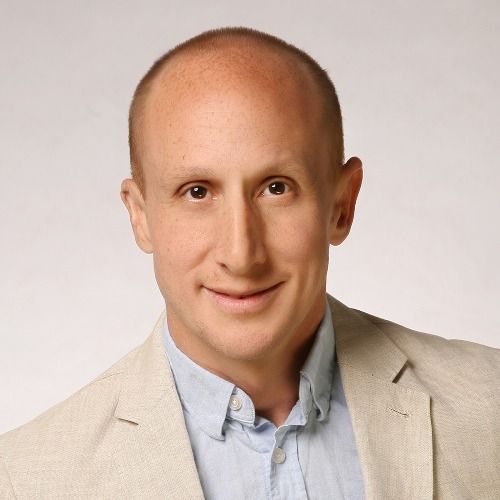
Jon Marko – Why Bad-on-Paper Jurors Can Deliver Big Verdicts
The juror who looks worst on paper can end up delivering your biggest verdict. Jon Marko, a Detroit trial lawyer fresh off an $896 million verdict, has seen it happen more than once. While the defense in one of his trials ran AI searches on every juror, Jon stuck to quick social media checks, and he tells hosts Harry Plotkin and Dan Kramer why he wouldn't trust AI to pick his strikes. He also makes the case that repetition, not study, is what builds great voir dire. Tune in to hear how he handled a lawsuit-skeptical juror after using his last strike, and why she ended up leading the jury to a $36 million verdict.
Learn More and Connect
☑️ Jonathan R. Marko | LinkedIn | Instagram
☑️ Marko Law | LinkedIn | Facebook | Instagram | TikTok | YouTube
☑️ Harry Plotkin | LinkedIn | Facebook | Instagram
☑️ Dan Kramer | LinkedIn
☑️ Kramer Trial Lawyers on LinkedIn | Facebook | YouTube | Instagram
☑️ Subscribe: Apple Podcasts | Spotify | YouTube
Produced and Powered by LawPods
Transcript
Ready to take your verdict and jury selection to the next level? Jury consultant Harry Plotkin and trial lawyer Dan Kramer are your ticket to tipping the scales before trial begins. You're not just picking a jury, you're picking justice, produced and powered by LawPods.
Dan Kramer (:All right, welcome back to another episode of Picking Justice. It's been a little bit, but we're excited to be back with you all. Very excited for our guest today, but before we get to them, Harry, what's up, man? How you doing?
Harry Plotkin (:I'm good, man. I have a few juries going right now. Mr. Kramer had a good week. He just had a jury come in yesterday with an amazing verdict on a bicyclist dangerous condition case against the state of California, which had a lot of issues and the defense, I understand, offered a whopping $20,000 to settle the case, but $11.5 million, man. Congratulations.
Dan Kramer (:Thanks, buddy.
Harry Plotkin (:And 95% fault on the defendant when the plaintiff was not wearing a bicycle helmet and didn't have lights and was riding on the sidewalk. A lot of issues, but —
Dan Kramer (:Yeah, it was an uphill battle, but we had a wonderful client and the state of California just, I thouht had some egregious conduct. They knew about this thing for 10 years. Another woman was hurt on it. They denied it and then yeah, it was just bullshit. They were talking about how my guy was just worthless. And so I was really proud of a Long Beach jury. It was good. It was fun. And thanks to your wife Claire for helping me pick that jury. Harry, she did a great job.
Harry Plotkin (:Yeah. Yeah. She told me some of the folks that were on it when she picked the jury and I was like, how did the defense not... That's the beauty when they leave some folks on that we love. It's just like that's how it works.
Dan Kramer (:Oh man, it was 11 women, one man. It was almost going to be all 12 women. I've never had that. They were wonderful though, really good people. So thanks a lot. But let's jump into someone who's truly crushing it here. I see his verdicts constantly. I'm like, man, how is this even possible? But Jon Marko out of Detroit, Michigan, recently had a $896 million verdict, $307 million verdict, civil rights. You do PI, you do employment, you do all sorts of stuff. Just absolutely crushing it, the verdicts I see and the run you're on, man. So Jon, how you doing buddy?
Jonathan R. Marko (:Good, man. Good to be here. Thanks guys for having me and good to see you guys.
Dan Kramer (:Yeah. Yeah. We're excited to learn from you how you're getting these numbers. So let's jump right in. Harry, where do you want to start with?
Harry Plotkin (:Yeah, I mean, I'm curious to know. I mean, I saw a lot of during the Continental trials, I definitely saw a lot of clips of you crossing witnesses and doing an awesome job. But I'm curious, what were you doing in jury selection that kind of got you to such a great jury in those cases? Anything unique you did differently in those cases or did you do something that you do in every case and got a great jury?
Jonathan R. Marko (:I mean, one of the things that was really helpful was this particular trial judge said, no restrictions on your voir dire. You can go as long as you need to go and I'm not going to cut you off. So I mean, I'm used to having to deal with 30 minute voir dire, 60 minute voir dire, some cases 10 minute voir dire in federal court if we're lucky to get that. So you have to change your strategy. You can't do an all day voir dire when you only have 60 minutes. You just have to ask different things and ask different questions. So I was able to do kind of my preferred wholestic, whole level voir dire where I kind of have a general theme, but then it changes for every trial with the issues that I need to discuss. But I mean, I like to start Harry and Dan explaining what the process is, why are we here?
(:Because a lot of the juries we take for granted, they're nervous or they've been sitting in the jury room, they want to go back to see their families, go back to work. They don't want to have to sit here. Some of them don't have cars. They had to take public transportation or had to catch a ride. They had it for house moms, they had to get childcare. So they have this whole host of their own personal problems that are kind of going on in this mix, whether it's boredom, apathy, pain, some of them aren't getting paid money. So you have to kind of empathize and explain why it's important because one thing that I always believe is if the jury doesn't think that your case is important or if it's generally let's make it important to everybody, but it's got to be at least really important for your person.
(:If there's no importance in your case, you're not going to get a big verdict. You might not get any verdict and you're going to have a pretty hostile jury. So
Harry Plotkin (:What do you say to them to get them feeling like this is an important process? Because I can share in a minute with you what I always, like the first line of the mini openings I write for lawyers in California does exactly that, but what do you —
Jonathan R. Marko (:Yeah, I mean I say like, "Hey ladies and gentlemen, I introduce myself, all the blah, blah, blah." But it's like "Look, this is voir dire and voir dire is French and it's actually to speak the truth. And how many of you guys, did you have to watch a movie this morning?" "Yeah, yeah, we had to watch a movie." "What time did you guys get here?" "8:30." "And I know you guys got that summons in the mail that said you got to come to the courthouse under the penalty of contempt. If you don't come, you could be violating the law and you had to come here and figure out where to go. And now here you are in this room and now to make it worse, you come in in front of a bunch of strangers, a big judge sitting up there and all these lawyers staring at you.
(:And then they march eight of you into this box in front of all of us and then say, 'You're going to have to tell us about your deepest, darkest everything about you.'" I said, "This isn't to embarrass you. This isn't like an old French torture chamber. This is so we can try to make sure that this is the right case for you. And we're not here to embarrass you, but we've been waiting three years to get here. And I'm telling you right now, this is the most important thing in my client's lives. And this right now is the most important thing in my life. And all we're trying to do is get a fair jury for this particular case." And they are too. And so in order to do that, we just need to have an honest, brutally honest conversation about some of the issues, some of my concerns and some of the things that might make it difficult for you to say.
(:And then I always share first. And my normal is I say, "Look, I'm a civil rights lawyer at heart and I represent a lot of children, boys and girls who've been molested, who've been sexually abused, who've been physically abused, horrible, horrible, horrible, horrible. I'm a father of four with one on the way. And so I'm going to tell you right now, if I was in that box and the judge and the lawyers told me you're here on a sexual abuse case of a child and I'm looking at the defendant over there before the case even started based on my experiences, based on my position as a father, I'm already going to be leaning towards the person bringing the case against the defendant. Even though I haven't heard anything about the case, I don't know about the facts. Some people are innocent, some people aren't, and I haven't heard anything, but I have that feeling inside me.
(:I have that bias based on my personal experiences, based on some horrible things that I've seen that are going to make it hard for me to sit. And I believe I'm a fair person. I believe most people are fair. I'm not going to intentionally try not to be fair, but given the subject matter, given my experiences and who I am, I'm telling you I'm already starting against that individual. Already starting, don't even know anything about it." And then I usually give an analogy. I like the football analogy because I'm a football fan. I grew up on football. I know different people, like my buddy Sean Claggett, he does the pie. I know Keith Mitnik does pies and people do different things. But I use a football analogy and I say, "Look, you can't lie in jury selection because it'll come across whether you like it or not."
(:And I'll give you an example of that that I just had in this nearly billion dollars of verdicts this summer. But one example is I have a buddy from Chicago. I'm in Detroit, Michigan. I'm a Lions fan. My buddy's in Chicago. He's guess what? A Bears fan. And I take him to a game every year and he comes to Detroit when the Bears come in and play. And I tell this to the jury, we're sitting at the game. My buddy's a good guy. He's a cop, tough guy, honest guy. We're sitting at the game, we're watching the same exact play. He's rooting for Chicago. I'm rooting for the Lions. We see the same exact play and I'm like, "Oh, that was a clean play. That was not past interference on the Lions." He sees the same play. He says, "You're out of your mind, Marko.
(:That was a dirty play. We deserve a flag on that play." Now we're both honest people. We're both watching the exact same thing from the exact same viewpoint, but due to our biases, our experiences, who we want to win already, I'm seeing things differently than he's seeing things right off the bat. And so we want to make sure that we can start at the 50-yard line on both sides and that you're not favoring the defense over my client. I use that a lot as an analogy because I think it's effective. You have to be careful with some of these things because sometimes you can end up, like, excluding all your good jurors too because I'll have like, "Mr. Marko, I'm on the 55 for you." And then you got to be careful, but that's a technique that I use a lot. And what I really like about this, Harry, at the end is that it says, look, you're explaining to the jury why we're doing this, right? Because they don't know.
(:They don't know that voir dire is why we're doing this and it's giving them permission and it's saying, not only are you supposed to be honest, this doesn't work unless we're honest with each other. And if this isn't the right case for you, ladies and gentlemen, there's 10 other courtrooms in this courthouse and there's all kinds of different cases that they can put you on. So I like to set it up like that so they understand we're just not trying to embarrass them or talk about these things. And I really think at that beginning framing however you do it is so important and you just need to be authentic because I'll tell you this real quick, the defense attorney on this last case that this big international firm flew in, he was full of shit. He was full of shit and they were using AI.
(:They had all these people typing up stuff and they were feeding them information and he was so full of shit it was incongruent. And when you're not honest -
Harry Plotkin (:Did he have an earpiece in? Was he like, oh, I'm going to, during the crosses like, oh, hold on.
Jonathan R. Marko (:Yeah, yeah, yeah, yeah. It was like that jury selection movie. No.
Harry Plotkin (:Geez. Yeah. There's
Dan Kramer (:Another movie about that.
Jonathan R. Marko (:With Gene Hackman.
Dan Kramer (:Yeah, Gene Hackman. That's what I was thinking of.
Jonathan R. Marko (:Yeah. So what he would do, and he was this fat guy, he got fatter as the four month trial went on because of stress eating and just living out of the hotel. He was kind of a slobby-looking guy. He's from Chicago and he became more slovenly as the trial went on. But anyways, this guy was so fake. So for example, we had one juror and I could see what they were doing. They were on Facebook and they pulled up that this guy's Facebook photo was him on a BMW crotch rocket motorcycle. So the defense attorney got up and goes, "Oh, so what do you like to do? Blah, blah, blah, blah." Got out. "Oh, do you own any bikes? "Oh yeah, I own a motorcycle. And the defense attorney goes," Oh, no way. "He goes," I was actually thinking about buying a bike. It's a BMW iX2.
(:You have any opinion on that bike? "And the guy's like," I own that bike. "And the defense was like," No way. I'm thinking about buying it. "And dude, this guy's not driving a motorcycle. He's going to topple over, dude. He's not —
Dan Kramer (:He looks like those twins on the motorcycle. Remember those old photograph?
Jonathan R. Marko (:Yeah.
Dan Kramer (:Oh
Jonathan R. Marko (:Yeah. And so it was fake. Now, he might've scored some short-term points with that guy, but I think more likely than not, that guy was thinking you're full of shit. And when you add up all those incongruence statements that don't make sense, it sets off the jury's warning bells.
Dan Kramer (:Sorry to interrupt, Jon. This is good stuff. There's a lot I want to break down here. One, I like how you throw in personal stuff, but it's not going to be objectionable, I don't think. Sometimes judges will be like, don't talk about yourself. I'll get motions in limine on it where it's like, I don't want any personal details of the plaintiff about that he coaches baseball or whatever. Who knows? But yours was tied in directly to a bias example on being a father of four, one on the way. I like that. My buddy's a cop. All these things that make you more endearing to the jury. So I think that's really smart to weave it in that way, but it's also not objectionable because you're just giving that example to the jury. I am curious though, that intro probably takes five to eight minutes, it sounds like.
(:Are you really doing that? You're straight up talking for five to eight minutes and the judges are like, ask a question or what?
Jonathan R. Marko (:No, if I have time, I will do that. Now again, if I have an hour voir dire, it's going to be that, but it's going to be truncated. Okay? So most of the time judges let me do it. They understand I'm setting up and framing. I'm well respected. I try not to be some fool messing around, so they let me do that. But if you have truncated time, then I swap it. I said, guys, this is voir dire. Here's why we got to do this. And the judge has only given me 60 minutes guys, so I got to move way quicker than I want to.
Dan Kramer (:Yeah, I say that too. I mean, I tell them when I have restrictions and tell them the reason why it's so important. I think it's good. And I also think what you're doing for any of our listeners out there, I think what Jon's doing, it's going to make the jury selection much more efficient. You always have to tell the judge that, look, give me this five minutes and then I will be so much more efficient. Whereas the joker you went up against, he's wasting so much time asking about a bike. That should be like, the judge should shut that shit down, right? So I think that five minutes does actually make it more efficient.
Harry Plotkin (:Yeah, because once you kind of get them understanding it's okay to be honest, you're not going to get in trouble. There's nothing wrong with admitting that you have a bias, doesn't make you a bad person or a dishonest person, everything. Then when you do it, then they just start rolling. Who else feels that way? Who else feels that way? Is it kind of like the analogy to you? Is it kind of like rooting for the Bears or whatever to you? And then they're just rolling, right? And you can get that bias done and take you eight minutes to say that, but then eight minutes later you have nine people and that only took 17 minutes. So I think you do have to, it helps saves time to explain it upfront and get people comfortable. And then once they start rolling, because otherwise you're just pulling teeth the whole time.
(:I saw a defense lawyer in the last jury I picked was just asking the same questions of every juror and he was repeating the whole question and he would just keep saying it over and come on, this wasn't saving time. It ended up taking 90 minutes to get through 20 people because he just would repeat the same questions.
Dan Kramer (:Yeah. Another point you brought up, Jon, which I think we should go into a little bit is technology, right? I mean, I'm getting hit up a lot by people. I'm curious what your thoughts are, just either people pitching using AI or technology in jury selection or people just asking, what are you using? What are you doing? I always struggle to answer because personally, and Harry and I had this conversation the other day, I just don't know. I mean, we search their social media, but how often I use it is actually pretty rare to actually make a decision. And I'm curious, Jon, are you using any technology? Are you using anything outside the courtroom or researching while jury selection's going on? Are you using any of those tools to pick a better jury? What are your thoughts?
Jonathan R. Marko (:Yeah, so I have not used these advanced tools that I hear about. I saw the defense. I mean, they literally had these sheets printed out on every juror. There was some AI program that ran some deep data search on them all that had political affiliation and all this other information. I didn't do that. I have never done that. I do a quick Google search, Facebook, social media of the people that get in the box because here we only voir dire the people in the box. Or if I can get the jury things beforehand, I have used jury questionnaires before and you can get tidbits from social media and stuff like where somebody's husband worked or something or stuff will come up. I'll give you an example. I had this lady on the jury, she gave me a bad vibe, so I was going to probably strike her anyways, but the nail in the coffin for her was, Samantha Teal, who's awesome, my jury consultant.
Dan Kramer (:Yeah, she was a former guest. She's great.
Jonathan R. Marko (:She's awesome. So she passed me a note that said she had Googled this woman. Her husband was a defense attorney at a silk stocking firm, very conservative firm here in Detroit. So for me, she was already on the bat on the naughty list and she was not super candid about that because we talked a little bit about it, but the guy was defending cases that I would be suing them against. So that to me —
Harry Plotkin (:And that didn't come out in voir dire at all?
Jonathan R. Marko (:Wow.
Dan Kramer (:Yeah, that's crazy.
Jonathan R. Marko (:Yeah, it came out a little bit. My husband's an attorney. I think we were on a limited time voir dire. That morsel combined with her lack of candor, I guess, with self-disclosure. Along with that, I was like, "Okay, she's got to go." So I do use that. I'd say it's rather crude on the spot stuff. I think the more information, the better, but you just have to be careful. I have a list of, I do a lot of employment law. You generally don't want business owners or managers on employment law cases. You don't want HR people on employment law cases, but there's exceptions. So you can't just have, it's not like a fucking scorecard where you're like, okay, because I have the largest race discrimination verdict in Michigan history. The foreperson was an HR lady, a white HR lady in a white county ride a black client.
(:On paper, that's crazy, right? But in reality, based on my voir dire, based on my discussions, based on nuances, based on -
Dan Kramer (:Tell us about that. I mean, what about her specifically? What answers did she give? Did you pick that jury with Samantha?
Jonathan R. Marko (:No, no. This was 2019. I was flying solo, man. It was just like me, myself and I. She worked at a small company, right? That wasn't on the piece of paper. She also, not only was she an HR person, she had to do everything. She had to do the accounting. She had to do this, she had to do that. Okay, you're not a corporate HR person in the general strict sense. She went to a private yet conservative university, but she had a sense of justice and rules and following rules in a moral and honest way. There was just a lot of data that I remember that was going in my mind that in my gut, I said we can keep her. I'm not saying she was the stellar juror, but she also was the kind of person who, if she smelled that there was a rat and that they were trying to pull one over, she was going to get really mad and she was going to hold them.
(:So I had to take all this data into account. This wasn't your standard big HR lady rubber stamping work investigations.
Harry Plotkin (:Yeah, Jon, that's a great point. I mean, I've had some of my best jurors have been in employment cases, like corporate executives in HR or in a premises case, sometimes the best juror is like a property manager. But if they are a super conscientious, I call them a boy scout, because one of the funny things that judges will say a lot and I always find it funny is they'll be an HR person or a manager and they'll say, "Well, can you not base your decision about this company based on your company, how they do it, what their rules are?" And they'll be like, "Yeah, yeah, of course." But I always laugh because the reality is no, they're going to compare it to -
Jonathan R. Marko (:That's their perspective, man. That's their daily life.
Harry Plotkin (:Yeah. They're going to be like, "That's not how you do it." If you get an HR person or property manager who's like, "That is not how we do it. We have much higher standards. This defendant is a piece of shit." They're going to be your best juror if it's a good person. So yeah, I love keeping that person.
Jonathan R. Marko (:Black and white rules don't work. I'll give you another quick example. One of our best jurors on the $900 million verdict case was this nice lady who scared me on paper, but didn't scare me in my gut. And I keep saying gut because usually my gut is always right. And I know that's not a helpful tip, just be Jon Marko's gut, but I'll give you an example. So this lady, I started talking to her. I go, "Have you ever been a witness or ever been involved in a lawsuit?" She goes, "Yeah, I testified in this courthouse. She was a manager of a local brewery in downtown Pontiac. She was the head manager, general manager." So that's something we looked up. Is this a national big corporate chain or is this a local thing? It was a local small business. She was the general manager. One of her friends who was also a patron of the brewery slipped and fell and got hurt and sued the bar.
(:And she talked about that experience, said, "I had to come to court and testify." She said, "We lost that case. They found that we were negligent." And she goes, "We were. We did not pick up or there was a hole or something, but I saw my friend out two weeks later celebrating and dancing when she said she couldn't run or dance." So that scared me. Okay. This is a lady who's been through the court process. She was accused or her company was accused of doing something wrong. And then she thought that the plaintiff was a fraud or exaggerator, not a total fraud, but an exaggerator. So my brain, my brain part said, "Warning, warning, like on paper, this is bad." My gut said, "Good." And that was where I needed an outside perspective because I just go with what I want 95% of the time.
(:It's that 5%. And I said, "Samantha, what do you think?" She goes, "That lady's awesome." She goes, "She loves you, Jon. She cares about..." And I was kind of hesitant, but I listened to the people around me and Samantha was right. And this lady started crying during my opening. She was appalled at the defense and she wanted to hammer them with a massive verdict.
Harry Plotkin (:I had a juror just a couple weeks ago say, this is a case that's closing this morning, it's a dog bite case. And she said, oh, the defense lawyer said, "Has anybody ever had their dog bite somebody?" And she said, "Yeah, I bit my friend. I was sick and she came over and she hugged me and my dog took it the wrong way and kind of bit her foot." And he was like, "Oh, did she sue?" No, she didn't sue me. And then I think we actually asked, I think Nick Rowley actually asked her, "How would you have felt if she would've sued you?" And she said, "I wouldn't be mad at her. I would understand and everything. I mean, my dog bit her and everything and would upset you." She's like, "No, I'd be good. I have homeowner's insurance." And so the defense struck that lady, but I mean, it's like when it's their friend, I mean, it sounds like to me, the fact that this lady, she wasn't upset at the...
(:It's rare for a juror to be like, "Yeah, we got sued, but we were wrong." I mean, if they feel that way, they're not that bad usually.
Dan Kramer (:I mean, just to bring it back to how technology, because I think a lot of attorneys are thinking, I got to use tech and jury selection. I have to use it. To me, and I was telling Harry this the other day, I feel like it's one of the last places where technology really may never totally infiltrate. I just don't know how it does, and maybe I'm being ignorant, but I don't see because the two stories you just told Jon about his gut, I guarantee AI would've said, strike the HR lady and strike this other woman. No questions asked. They probably would've graded them at F level or something. And I'm just wondering, is there a way technology could work? I don't know.
Jonathan R. Marko (:I don't know that... I wouldn't trust AI to tell me who to strike or not strike, but I think the more information you have, the better, especially some of these stealth jurors who want to fuck you will tell you things that they think that you want to hear. And so you have to just be careful because some of the information can... Like with that lady, for example, why didn't she just say, my husband's a lawyer, he does defense work. It was like I had to pry it out of her. And so it's helpful to have that data to say, wait, this person may not be honest with me. And if somebody's not being honest with you, you got to ask yourself why. They could be embarrassed or it could be something personal or difficult for them to deal with like a loss, or they could not want to tell you because they know that if they tell you it, you're going to probably take them off the jury.
(:That's the scary part.
Dan Kramer (:Yeah. I mean, it's not that they're nefarious and just want to sit for two weeks to screw this guy over on purpose. They may just really view themselves as being fair and I can set this aside and I can... And oftentimes that's what they'll say, unfortunately, and that's why we have to use a strike and not a cause because they'll say, no, I could separate the fact that you're probably suing my husband next week or suing his firm or whatever.
Jonathan R. Marko (:True. But they'll talk, if they're hiding something, to me, that's a major warning to say, Hey, here's what my husband does. He's the opposite, but I can set it aside and it's not going to affect me viewing this case. That's one thing. Hiding things, I think you got to think why, okay? Because it's usually a really bad sign.
Dan Kramer (:That's a great point. Harry, we talk about this.
Harry Plotkin (:For me, 100%. If I sense that a juror's being cagey, 100% they're gone. It's never a good reason if they're not answering your questions or they're being weird about it or not giving you an answer. It's always something that they don't want to tell you how they really feel. It doesn't matter to me if they know that they can't be fair and they're trying to hide it or they think they can be fair and they're like, "Well, I shouldn't have to mention this." They don't like your question. I mean, good jurors love your question. Good jurors will be like, you ask a question, they'll be like, "Absolutely, Mr. Marko. No, 100%." They don't go like, "Well, I don't understand your..." It depends. It's complicated.
Dan Kramer (:Or they'll ask you questions back about it to throw the question back at you. Yeah. So I guess technology, yeah, I agree. I think we use it, you use the data, but it's really to make your decision just based on it is not going to work. But Jon, on that lady, did you even try to pry more for cause or would you if she's like, "He's a defense attorney, but I can separate that out." I mean, how far would you go with her?
Jonathan R. Marko (:That's a good question. It always depends. If I know that I'm going to have to strike somebody, I'll go at them harder. Respectfully. You don't want to offend other jurors, but if I know, okay, this person I'm going to have to burn a strike on, I'm going to go at them and try to get cause. I'm going to take a run at it at least. And sometimes you can get it, sometimes you can't. But if I don't have any strikes left, you got to be really careful. I'll tell you another case that I did this year. We got $36 million. This guy got T-boned by a bus on his way to work, and then he said he was fine and went to work. He wasn't fine, but he then went to work and had kind of a delay in treatment. He ended up going to the hospital later that day.
(:But anyways, there was some issues related to it and I used all my strikes because this was Oakland County and people don't know Michigan. Oakland County, it's like the county north of Detroit. It's a wealthy county. It's probably maybe Orange County or something out there.
Harry Plotkin (:Is that a Grosse Pointe? No, that's in Chicago. Nevermind.
Jonathan R. Marko (:No, no. Grosse Pointe's where I live. That's in Wayne County.
Harry Plotkin (:I'm trying to think of thoses. Oh, it is. Okay.
Jonathan R. Marko (:Yeah. It's a nice county, but you get a ton of engineers. You get a ton of medical people. More engineers in Oakland County than I think any other county in the United States because the Big Three are there. Anyways, I got this lady on the jury. I use all my strikes. The last lady gets in the box. She's maybe like 35 years old. She's the mom. And I start talking to her about lawsuits. She goes, "I don't really like lawsuits." And I'm like, "Tell me about it." She goes, "My mother-in-law sues everybody, and it's frivolous. She fell at the Red Lobster. She wanted to sue. She's going to see all these doctors. She fell on the sidewalk. She's wanting to sue." So she was a skeptical person. Now, I have zero strikes left, right? So I can't go at this lady hard, offend her. That's why I always like to do for cause challenges at the bench.
(:Some lawyers here will do them in front of the jury. I always ask the judge, "Please let me do them at the bench because this lady, the last thing you want to do is say this lady's a liar or she's not fair," and then have her sit. When you've just called her out in front of all of her things, she's not going to forget that. So I went at her because I was wanting to see if I could get her for cause. She wasn't going to give it to me. We got close and I didn't want to push it to the breaking point where I had to make a tactical decision. If I go for broke on this lady and I lose, I'm screwed for the rest of the trial. So I went as hard as I could while being respectful and being honest. I said, "Ma'am, that makes me really nervous because we're about to start this trial.
(:It's a lawsuit. Do you understand how I feel?" Yeah, we had an honest conversation, but I couldn't get her there. But she was honest and acknowledged at least that she had these feelings. We had a discussion about them, and the best I could get was to make her promise, because she made it clear that she was going to follow the law and all this. The judge rehabbed her. Promise me that you're going to hold them to the same standard that you hold us. She agreed. I was scared of this lady. I didn't feel good the whole trial. She became the foreperson and gave us $36 million. Okay? Even though she was skeptical, even though that she was not the model juror, but it's all context. If I had three strikes and I knew this lady was number one, I would've went at her hard. And then if I didn't get her, I would've used the strike.
(:That's my thought process on that.
Harry Plotkin (:I'll tell you what that makes me think. I always tell lawyers these days, I spoke at Keith Mitnik's conference a few months ago and I was like, "Too many plaintiff lawyers are picking juries like it's 1995 or it's just a terrible jury pool for us. It's not." We have jurors probably in the best place that we've had them for many years in terms of how they feel about lawsuits and quality of life and corporations and everything. In my last trial, I just had the defense lawyer ask everybody, "How do you feel about these lawyer billboards and everything?" And not a single person had a bad thing to say about it. So I always tell lawyers, "Stop asking about the general too many frivolous lawsuits. How do you feel about frivolous lawsuits?" If you're a good lawyer and you have good cases, your cases are never frivolous.
(:I guarantee you, even when you lose, Jon, if you lose, I know you don't, but for anyone out there, the jurors don't think your case is frivolous. And so I think jurors who say, "Yeah, there's too many frivolous lawsuits," they see a good case and they're like, "That has nothing to do with my feelings about this.This lady saw your case." It's not like it was some ridiculous... I mean, they see it and they go, "Oh, this is legit.This person didn't have some minor fault. It was totally her fault, obviously, and she's just totally faking. He's fine." If there's a real injury and some real liability there, it doesn't matter that they feel like they've seen both because they compare everything to what they've seen before. So I don't worry about how they feel about the total bullshit cases in their mind because they don't compare.
(:Yeah.
Jonathan R. Marko (:Yeah. I mean, you're right. Things have changed. So my first trial, 2010, I asked how many people... It was a slip and fall case. I lost. It was a long time ago. And I asked, "How many people think there's too many frivolous lawsuits?" Every single juror but one raised their hand because I'll never forget this experience. You learn more from your losses than you do from your wins. And every single juror except one. I ask that question now. There might be one or two people, and normally it's not like their hands shoot up. It's just people that just don't like lawsuits, don't like lawyers, kind of just have a general negative feeling, but it's not like it used to be where it was like, oh, these greedy lawyers, it's so bad. And I think the billboards in a way have helped almost normalize it a little bit.
(:I don't know what your thoughts are on that, but...
Dan Kramer (:Interesting. Yeah. I mean, look, I agree. I think there's definitely less bias against our industry, I feel like, generally speaking in jury selections because I've been trying cases probably the same amount of time and yeah, I noticed that too. But I do wonder if that has normalized it. What do you think, Harry?
Harry Plotkin (:The billboards? I don't know. I don't know if it's normalized it, but I think that they get it more. They're like, "I don't like corporations. I don't like how people are just cutting corners and being unsafe on the road." All those things, they're like, "Yeah, maybe we need more of these lawsuits. Maybe these things are good. I think more and more people got to have that feeling. And everybody when they were asked that question were like, no, it's just marketing. That was the worst answer that we got. The best ones were like, I think it's great. I think those people are trying to help people. I think it's good that they're advertising. It's hard to find a good lawyer. Stuff like that.
Jonathan R. Marko (:I mean, Harry, you don't ask about feelings about lawsuits because I still always ask about it. And people that have negative feelings about lawsuits, now that lady was an exception, right? There's always exceptions, but I'm always really cautious about those individuals. Like on the last case I just did against Continental, I had this lady, I could tell the moment I saw her, I said, I probably got to get rid of this lady. She just was scowling old white lady. The type of lady that yells on you to get your kids off of her lawn. And I got started talking and she talked with disgust about how her daughter out in Colorado rear-ended somebody and then they dared to file a claim. And she was so offended that they filed a claim against her daughter. And I'm thinking, what are you talking about lady? Your daughter hit somebody from behind.
(:Of course they're going to make a claim. But I had to talk about lawsuits with her and I could just tell she was anti-lawyer, anti-lawsuit, and she was going to be horrible on damages and I had to get rid of her. But don't you ask lawsuit questions?
Harry Plotkin (:I'll ask specific questions. If it's an employment case, I will ask anybody ever had seen an employee unfairly sue a company or these kind of lawsuits rub you the wrong way. Because if you're doing a sex abuse case and you ask them who doesn't like schools getting sued over these things, that's real specific to that type of case. They know what it's about. I'm just talking about general who feels like there's too many frivolous lawsuits, too many lawsuits and people because they're thinking about other things. But if you keep it narrow to what you're talking about, for example, in a wrongful death case, I'll usually have the lawyers ask something like, who feels like asking for money for someone's death is just pointless? It's unnecessary. The person's gone. It's not going to bring them back. They're telling you how they feel about your case as opposed to just...
(:But when you talk about frivolous lawsuits, they're thinking about a totally different kind of case that has nothing to do with your case unless they're trying a soft tissue case that jurors might feel is frivolous.
Dan Kramer (:You're worried that good jurors will give a bad answer and then that may, you could filter good jurors out that way potentially.
Harry Plotkin (:I think both ways. I think there are definitely jurors who would say, "Yeah, I think there's too many frivolous lawsuits. I don't like it." But your kind of case is really important to them. And they're like, "This is different. I see that all the time." And there's also the opposite. I think there's also people who don't raise their hand. No, I like lawsuits. I've seen it on questionnaires like lawsuits. Damages are too low generally, but when it comes to your case, they're terrible. They're like, "Well, I'm a school teacher. I don't see why a school should be sued for what a teacher did." And you're like, "On paper, you're the best juror for plaintiffs generally, but for this type of case, you're terrible. So don't keep that person because they were like, I generally think there's not too many frivolous lawsuits." So just be specific.
Dan Kramer (:That example right there would be tough, right? I mean, either something they said or on a questionnaire, they're saying what you... I think lawsuits are important. I think a lot of attorneys, I would probably think, why do I even want to talk to this person? I don't want to expose how good they are. And then the defense dings them. And so how do you get that? What's your suggestion to get that person from where they said either in a verbal answer quickly or in a questionnaire to realizing they're a bad juror for you?
Harry Plotkin (:I mean, I don't like to even put that question about are lawsuits generally, damage is too high.
Dan Kramer (:Oh, so I guess that answers your question, Jon. Yeah.
Harry Plotkin (:I just think that every juror, there's no such thing as a bad juror, good juror for every kind of case. You could take the worst juror. Jon, you could say, oh, I had the same juror 10 years ago and they were like the worst juror. They wanted to give no money and no liability and they tried to fight to make it $10,000 on a wrongful death case and they were the worst. Subject to this might be a sex abuse case where they might be the best juror in the world for you and vice versa. There's no such thing as a great juror. Every juror, they all have a button, right? Everybody has a button that if you push that button, they will be a great juror or a bad juror.
Jonathan R. Marko (:Exactly.
Dan Kramer (:That's a good point.
Jonathan R. Marko (:So the hardest jury selection I ever did was I tried a religious accommodation case over a vaccine. So I represented a devoutly Catholic lady who refused to get the vaccine because in the development phase and in the production phase of certain vaccines, they used fetal stem cells that were derived and copied from an aborted fetus back in the '70s or something. I have a vaccine case. People go nuts about vaccines. You got to be vaccinated or you shouldn't be vaccinated. I got abortion, which is one of the most divisive issues in America. I have religion. I have all these things. So approaching that, I said, all right guys. I kind of laughed them. I said, we got to talk about some of the most dividing things that you will not talk about with your family at the dinner table because it's going to start a fight with Uncle Tom.
(:So that jury selection was, I mean, we had some jurors who would be horrible bold. I remember there was this lady, it's the old white lady, but this old white lady was doing the communion at the church. She was head of the church group and stuff. She would generally be, just generality speaking, a very cheap juror, a very difficult juror, I think. And she was going to be like our star juror. So it's case specific. That's an extreme example.
Dan Kramer (:Yeah, dude, I hope the judge gave you more than 60 minutes for that voir dire. Jesus.
Jonathan R. Marko (:No, it's federal court. I think we got —
Dan Kramer (:Oh man.
Jonathan R. Marko (:45 minutes or something. I voir dired on that case about COVID, religion, all the issues. I did all the issues. It was just a difficult voir dire. But then when I went to case framing, I started, I said, "This case is not about abortion and whether you believe in it or whether you're not or whether there should be a right to choose or a right for life. This is not that case. This is about an individual's — one particular individual's right to believe what they want, like whether that is to believe that you should be able to or not be able to. It's the belief of the individual and not a company to tell you what you must believe, okay?" So we had to reframe. It's not about if you follow this or follow that, it's about the individual's ability to make a choice for themselves what they want to believe, not have a corporation or the government tell them.
(:So it was like a personal freedom type case, which resonated with obviously our strongest jurors were very conservative, like libertarian pro-freedom jurors. And then we had a lady who had, I got the vaccine on her thing. She probably kept the damages down, but we can only do what you can do. Right.
Harry Plotkin (:But in that case, I'd rather have a libertarian who got the vaccine than somebody who was against the vaccine, but thinks believes in all this regulation stuff because your theme is appealing to, it's a slippery slope, right? If we tell her, then nobody has a choice. And that brings up a good point. I remember a case years ago where it was a defamation case where everything was kind of switched where the plaintiff suing for defamation was this kind of creepy business owner who had been accused of sexual harassment by his personal assistant and sexual harassment, a little bit of sexual, I don't know if you call it abuse or whatever. And then she's told it to a bunch of people and he's suing her for defamation. And I remember the lawyer on the other side who's defending the case is just picking a typical defense jury, which was exact opposite of what...
(:We were both looking for the same thing and we crushed the guy. And what are you doing? There's no such thing as in every case. I'm just looking for plaintiff jurors. What plaintiff jurors? And if you do that, yeah, I mean there's cases like yours, Jon, and this one and a million other ones where it's like it's actually totally switched. People who typically are really bad for you would be really good for you in most cases. So every case is different and you got to go in there. If you kind of have your sense of this kind of juror is always good for me, unless you're trying the same case over and over again, you're going to get beat if you don't listen to what your jurors say about the issues of your case. It's hard to teach. For some lawyers, it's hard to put away that script that you use for every single jury selection and do a fresh set of questions.
(:Yeah.
Jonathan R. Marko (:Yeah, it's a muscle memory. I mean, I think the best way to get better at voir dire is to do more voir dire. Because it's like, I don't know, I don't golf. So maybe that's a bad example. I don't golf, but I've taken golf lessons when I tried to golf and when I got up to the T, I'm having to go through each step in my mind. Keep your left foot like this, keep your right foot like this, make the club go to this, go to that. It's like a checklist or like a pilot on a plane. Here's a checklist. Now when I do voir dire, and when I first started, I had my checklist and I'm trying to remember, I got to do this, this, and I got to do a million things. Now it's muscle memory. I just get up there and go.
(:I have one sheet with case specifics. I got to talk about the injury, brain injury or this or that, whatever. But now I just go and that makes it so much better. It flows better. I feel more comfortable, which makes the juries feel more comfortable. But I didn't get that by studying it for 10 years. I got that by going in, win, lose, or draw and keep doing it and doing it and doing it and doing it and doing it. So now it's just like doing anything else. And so I think the best advice is do it and keep doing it.
Dan Kramer (:We try a lot of cases, like I know you do. And for the ones who don't or are not able to get in the courtroom, I mean, we also do a ton of focus groups. We do, I don't know, four to five per every trial. And every single one of those, I'm doing some voir dire, just to practice because it's all batting practice. And we try, I don't know, five to six cases a year, but that's not even enough for me. I love doing multiple voir dires a month to just like you said, man, just that muscle memory, just knowing how to react to answers that are really tough to deal with, how to lock in that cause. And when you do the real thing, it doesn't hurt. Just flowing with people, you're the moderator. I guess my advice is if you can't try a lot of cases, you can definitely do focus groups and that's the same practice, right?
Jonathan R. Marko (:100%. And you can't argue with people. When I was younger and they'd be like, "Oh, I think there's way too many lawsuits. I hate you. I hate plaintiff's lawyers." I'd be like, "Oh my God." And I'm like, "Oh my God, I'm going to lose. This is horrible. Got to get away from this person." Now I'm like, "Oh man, I love you. Thank you for sharing that. Who else feels like this? You're not going to hurt my feelings. Come on, you can tell me." Because that person just gave you a gift that they said that. And I hear people say like, "Oh, they're going to infect the pool or this or that. Now everybody's going to think that." Dude, you think you're going to go to a jury selection after you've been living and walking for 40 years on this earth and somebody else saying, "I don't like lawsuits," is going to make you suddenly have this moment in your life that causes you to change everything that you thought just based on somebody saying that?
(:It's not going to happen.
Harry Plotkin (:If you think that happens, then imagine what they're going to do, sit and listen to your opening and your closing. Exactly. I mean, if they're going to change their mind online, you could change it right back if they're that malleable.
Dan Kramer (:I hate when I don't get the bad answer, man. In this last trial, it took a while for the jurors to get going. Claire even mentioned that. She's like, I don't know if it was the way the judge kind of started things off, but it was just kind of a quiet group. I really had to get them going. I started right before lunch, but after lunch, they definitely started... I got some people giving me some bad answers and I hate it when I don't get the bad answer early because like you said, Jon, I love it. I welcome it. I encourage it because that's the person you're bouncing everything else off. And then you get those quiet ones and you're bouncing it off this guy.
Jonathan R. Marko (:Exactly. And they're giving permission for other people that feel that way who won't speak up. So you got to thank them for being honest and embrace that.
Dan Kramer (:Totally. And finally we had this fireman who came up, he's like a captain and my guy was a grizzly long shoreman, and this guy was kind of grizzly type too, but he was like, man, he's like, "I see so many people get hurt all the time, and then the first thing they're doing is talking about filing a lawsuit, talking about suing." He clearly was bad for me. He seemed like a really good dude, but he was just bad for this case. And it was the best because he was a good, likable, obviously respected captain, fire department and all that. And that allowed others who had been quiet to be like, "Yeah, I agree with him." And that's always a good thing.
Harry Plotkin (:And yet some lawyers still attack them, right? That's the worst thing you can do. Some lawyers get defensive and they argue. And then if you argue with them, what are the other jurors that are thinking that way? They're like, "I'm done. I'm not talking to this guy." So just don't even...
Jonathan R. Marko (:Exactly. You're not going to change somebody's mind in jury selection like that.
Dan Kramer (:Yeah, don't jump right to cause. I agree.
Harry Plotkin (:And don't jump right to... If you hear someone say that and you go, a lot of lawyers are like, "Yes, cause. Okay, now I'm going to bust out the hammer and I go after them hard for cause." I don't know. I always think if you have plenty of time in jury selection, start out talking to them about some of the issues and how they feel, not necessarily biased things. Get into some bias, who feels this way? But let it sit for a while, come back to them later after you've heard from everybody. Who else feels that way before you kind of drill down on cause? Because once somebody's like, "I don't like lawsuits," and you go, "Good. Okay, you can't be fair." And you start arguing with them, the other jurors are like, "I don't want to go through that experience." Let's just let them talk and feel unjudged before you start identifying who you're going to go after.
Dan Kramer (:I agree with that. And that's something that you and I have been doing for the last couple years. It's almost like I'll do one round of questions or whatever topic I want to go to a second and I'll start seeing my bad jurors and then go to my second round. And then by my third, I'll start to get to that, develop that cause. But I agree, man. I think so many attorneys that I see make that mistake. One first bad answer, they're like, "Is this a long held belief? Strike against uphill battle. Are we starting behind?" They'll just do whatever the case law is in your state. And I think that's a huge mistake, a big mistake.
Harry Plotkin (:If you have 20 minutes, that's fine. Go for it. I mean, because you don't have time, but if you have time, save it till the end.
Dan Kramer (:But you also could get rid of a good juror that way. I think if someone gives a sort of a bad answer and you go right real hard on cause and they're agreeing, I don't know. What if they're really good on damages or there's —
Harry Plotkin (:I know later on you talk about other issues and you're like, wait a minute, they're great. Wait a minute, this is that HR person that Jon talked about who, shoot, they're really good. Yeah.
Jonathan R. Marko (:Harry, the other thing that, like, I think is so important in jury selection that often gets overlooked, especially by younger or inexperienced practitioners, is, like, it's not just a Y-axis — it's an X- and a Y-axis. I think on one of the axes, it's: How bad is this juror going to be for me or how good are they going to be? Are they pro-plaintiff or pro this case particular? Are they pro-defense on this case or are they somewhere on the sliding scale in between? Because it's all relative, right? And then the other axis that's just as important that you cannot make decisions without is: How strong of a juror is this going to be? Because if you have a foreperson who is a super pro-defense on your particular case juror, that person is going to be worse than anybody else. But if you have a slightly bad defense juror who's a foreperson, you got to take that into account.
(:You need to know the strength of the juror. I just got done on this trial and one of the co-counsels said, juror number six is horrible for us, horrible for us. I said, yeah, juror number six is going to be horrible for us, but nobody's going to listen to juror number six. Juror number six had a language barrier. Juror number six was disinterested. Juror number six was not going to fight and fight and fight. And juror number six was going to be ostracized from the group because they were a weirdo. Okay? So I think you got to look at that because I always write down who's with the potential forepeople. So I'm not just taking it all in. Who's good? Who's bad? Who's in the middle? How bad? How good? How strong? How weak? Is this person a follower? And then I try to anticipate who's going to be a foreperson.
(:And if you have two strikes, or one strike rather, and you have, like, these two jurors and you think one is bad for you and the foreperson, you got to get rid of that person, in my opinion.
Harry Plotkin (:Even if they're not as bad for you as the quiet weirdo.
Jonathan R. Marko (:Exactly.
Harry Plotkin (:100%.
Dan Kramer (:I've never heard that XY axis. I like that a lot. I think that's a great way to explain it. That just happened in my trial right now. The foreperson was this amazing woman who I knew was super pissed at the defense the whole time. She was telling us that for the future non-economic damages, there was a group that wanted to give eight to 10, and then this other group that wanted to give three to five for the future non-economic damages. She's just clearly overpowered them, gave us eight for the future non-economic damages. But I could tell because I know the ones who said no to it, I mean, they were just followers and I wasn't really that stoked on them for jury selection, but Claire was like, "Yeah, they're followers. They're not going to make it." And clearly that's what happened. I mean, that's literally what happened in the voir dire.
(:So I 100% agree with that. Good stuff, man. I think we nailed it. I love this XY axis. I'm going to start explaining that in this jury selection class I teach. I think that's a really good way to visualize it.
Harry Plotkin (:If you want to hear about the Z-axis and take it to that next level, go to Jon's, go to the Midwest Trial Lawyers Conference in May, right? May 14th, 15th in Detroit. Do not go to Detroit. Go to Detroit. It's a great city.
Jonathan R. Marko (:Detroit. It's May 14th and 15th. It's mtlsummit.com. We got Nick Rowley's going to be there, my buddy Nick, my buddy Sean Claggett. There's going to be great lawyers from all over the country. I hope you guys can come. We'll have a lot of fun and we'll learn a lot.
Dan Kramer (:I've heard great things about the conference. It sounds awesome.
Jonathan R. Marko (:Please come, Dan.
Dan Kramer (:Yeah, man. I'd love to. That's great, man. Yeah, you're doing great stuff out there. Keep it up, dude. You're an inspiration out here. And that hair is awesome, dude. The hair's great. Is that your superpower?
Jonathan R. Marko (:I mean, it's slowly fading as I get... This last trial, dude, four months. It was tried three Continental trials back to back. We got $900 million, like $36 million, and then we tried a bystander claim and we only got $2.2, but —
Dan Kramer (:Only for the bystander. That's amazing.
Jonathan R. Marko (:I was disappointed. After the first verdict, you have high hopes, okay? So I was disappointed in verdict two and three, but it is what it is. So I get out of the shower, and this was four months. So we finished the first trial. I'm not exaggerating in any... Fact check me with Samantha Teal. We get out of the first trial. The jury comes back 5:30 on Monday. We go and we debrief. We have a couple beers. We get the big verdict. I wake up the next morning and I have to pick a jury on trial too. It was the next. The judge said, "The moment we get a verdict, you're here the next morning." And it was brutal. So I get out of the shower. The first time in my career, I'm looking down and I'm like, "I got just gray hairs popping all out of my chest." And I'm like, "Four months is a long time, brother.
(:I'll tell you."
Dan Kramer (:I know. I mean, I feel like I've been in backpack trials, but I can't imagine that. And you got four kids too. God bless your wife.
Jonathan R. Marko (:Yeah, I know. I told her, I'm like, "You are wonderful." And it sucks because I said, "They're never going to try this case." I said, "No one in their roddest dreams." I said to my wife, Natalie, I said, "Get the camping gear ready. The kids have wanted gone on a camping trip." Said, "We're going to be going camping. We're going to do this." Nobody is so stupid to try a case where they put little kids on a field trip and turned off the security systems and ran over them with a race car. Nobody's going to try that case. And here we are. Zero offer, by the way.
Dan Kramer (:That's so nuts, man. These people... In my trial just now, $20K, the state of California offered $20K.
Jonathan R. Marko (:Dude, it's crazy.
Harry Plotkin (:Didn't they say, Dan, that we do not see this as a seven-figure case? We don't even see this as a six-figure case.
Dan Kramer (:Yeah. They don't even see that. It was like, you know you were sued about this defect two years before. What the fuck is wrong with you?
Jonathan R. Marko (:And 20K? It's like you can't even pay your cost.
Dan Kramer (:Dude, I don't get... It's like my guy had a skull
Jonathan R. Marko (:Fracture. Oh my God. It's crazy.
Dan Kramer (:I mean, I get that they just thought they're going to nail us on liability. He was riding at night without a light, without a helmet, 3:00 AM. Thank God they do that, right, Jon? That's what keeps us in business.
Jonathan R. Marko (:That's right. I mean, yeah, that's the way we got to look at
Dan Kramer (:It, right? Yeah. All right. Well, dude, this is awesome, man. I hope to see you in Michigan. If you're ever out in LA, hit me up. We'll grab drinks.
Jonathan R. Marko (:I'll see. Yeah, man. I was just out there for Nick Rowley's thing.
Dan Kramer (:Oh, yeah. Nice. Nice.
Jonathan R. Marko (:But I'll see you guys in May. I can't wait to see you.
Harry Plotkin (:Sounds good, guys.
Dan Kramer (:Thanks a lot. Thanks, LawPods.
Voice over (:If you're enjoying the podcast, the best compliment you can give us is sharing it with a colleague who would find it valuable. For all the best clips from the podcast, follow us on social media. You can find those links in the show notes. Have a jury selection story to share? Email us at podcast@pickingjustice.com, and we may address it in a future episode. Until next time, remember, you're not just picking a jury, you're picking justice, produced and powered by LawPods.