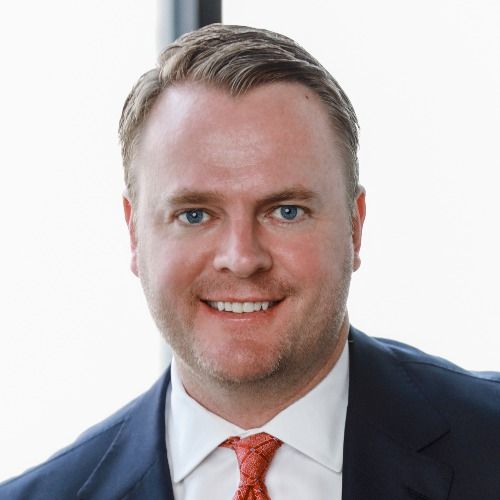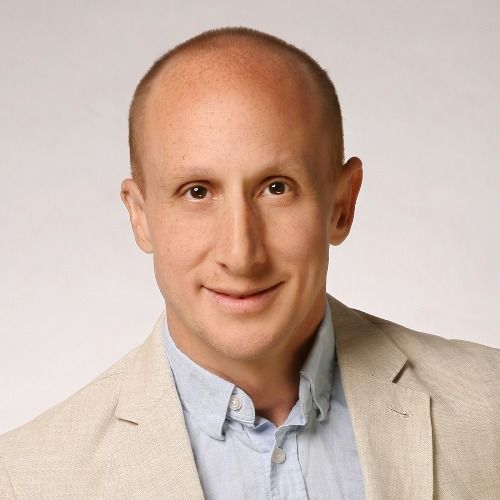
Brett Schreiber – Two Cups and a Pitcher of Blame
Federal court voir dire is often "judicial speed dating" — sometimes just 25 minutes to question 55 strangers. Brett Schreiber of Singleton Schreiber pulled it off before landing a landmark verdict against Tesla, and he joins hosts Harry Plotkin and Dan Kramer to unpack how he picks juries under brutal time pressure. Brett shares his "two cups and a pitcher of blame" framing for shared-responsibility cases, why he primes reluctant jurors to say "yes" before diving in, and why emotional intelligence and reading the room beat any rigid script. He also explains why a story of betrayal is the most powerful motivator for jurors. Tune in for a masterclass in high-stakes jury selection.
Learn More and Connect
☑️ Brett Schreiber | LinkedIn
☑️ Singleton Schreiber | LinkedIn | Facebook | Instagram | X
☑️ Harry Plotkin | LinkedIn | Facebook | Instagram
☑️ Dan Kramer | LinkedIn
☑️ Kramer Trial Lawyers on LinkedIn | Facebook | YouTube | Instagram
☑️ Subscribe: Apple Podcasts | Spotify | YouTube
Produced and Powered by LawPods
Transcript
Ready to take your verdict and jury selection to the next level? Jury consultant Harry Plotkin and trial lawyer Dan Kramer are your ticket to tipping the scales before trial begins. You're not just picking a jury, you're picking justice, produced and powered by LawPods.
Dan Kramer (:Welcome back to another episode of Picking Justice. I'm really stoked for this one. It took about 12 years to book, but we finally made it here. We have a true rockstar, but first, Harry, what's up, man? You still unable to get to trial or have you been recently?
Harry Plotkin (:Yeah, no, I got a good verdict in yesterday.
Dan Kramer (:Nice. Yeah,
Harry Plotkin (:We've talked about just more and more trials just getting kicked last minute by judges as the summer comes. So got to pray that a judge is willing to try a case, but looking forward to the next one, man.
Dan Kramer (:Yeah, absolutely. All right, with that, we have the great Brett Schreiber here from Singleton Schreiber, who really is just domineering force in the plaintiff's bar, not only in California, but nationwide. I remember I was trying a trip and fall case that was really tough. I got kind of sucked into having to try it in Santa Monica. And as I'm doing it, I'm like, oh man, why am I trying this case? And then I see in the news, Brett Schreiber gets $300 million verdict, 243, million dollar verdict gets Tesla. And I'm like, fuck, man. I was like, we're the same age and I'm sitting here trying to trip and fall. And this dude's out here just conquering robot cars for the common good.
Brett Schreiber (:Yeah, 243, Nat. I
Dan Kramer (:Actually ended up getting a pretty good verdict. I was pretty proud of it, but at the same time, I remember going to see my buddies like Rob Glassman and a few others at dinner. And I was like, dude, I can't believe. Just look at the opposite ends of the spectrum here. But I am really proud of Brett Schreiber. He is just an amazing attorney, someone I definitely look up to even though we're the same age. But Brett, how you doing, man?
Brett Schreiber (:I'm doing well, man. Thank you guys for having me. It's been a minute to get us all together, but I'm stoked to finally make it happen.
Dan Kramer (:Yeah, man. So let's hop right in. Let's talk about this Tesla case. So for those of you don't know, Brett just tried a phenomenal case. I think it was the first in the nation for single plaintiff suing Tesla for their driver monitoring system. And you just got an incredible verdict and it was all over the news. I kept seeing them on CNN. It was truly incredible and game-changing and it's going to have a huge influence on not only autonomous vehicles, but tort law nationwide. So let's kind of talk a little bit about that one because I think it applies to a lot of what a lot of issues we deal with on picking juries in short amount of time. And I know, Brett, on that one you had, it was a federal court case in Miami and you had a questionnaire. If you can just quickly set us up for how you got to question the jurors there with the questionnaire.
Brett Schreiber (:For anybody who's ever picked a jury in federal court, it's judicial speed dating. And so you know that coming in. This was a case where we knew that there were going to be people who had strong feelings. Unlike every other manufacturer since the dawn of time, it's rare that the CEO is as divisive as Elon Musk was and continues to be. So we actually got Tesla's agreement on the idea of a questionnaire as the court, however, was not generally accepting of questionnaires. The only reason she was willing to do it was because both sides stipulated. What ended up being a fairly vanilla questionnaire, but it did ask about their feelings with respect to Tesla. Didn't specifically, she struck our questions about Elon. Did they have particularly strong feelings about Tesla, about autonomous driving, things of that sort? Do they have obvious experience in it? We had an agreed upon three and a half page, although four pages, but half of it was the hear yee throat clearing instructions.
(:And so we go in, there's 55 people. For anybody who's had a questionnaire, you know it's nice to actually read them because that's why we used them. And instead in this case, 55 people were given a questionnaire early in the morning and we were handed 55 questionnaires as 55 bodies filled into the room. The judge had a series of ostensibly demographic questions that she asked the panel that were slightly different than what was in the questionnaire, but she had a total of maybe 25 minutes of just going through and passing the mic, asking a little bit more about what do you do and your jury service and a few basic things. And then she finishes, and as we are in an assembly line trying to review and flag good, bad, and indifferent on this, whatever it was, it's a couple hundred pages of questionnaires that we're trying to read in two minutes and in Jess.
(:So it was me and I had three other lawyers, two of the local lawyers and our appellate guy was there. And then we used one of the kind of digital AI jury services group out of Florida called MoMAS. And then I also had my jury consultant, Ed Lazarus, although he ended up having a last minute something. I don't remember. Ed was not in the courtroom. We were trying to scan and send, although I don't think that really worked, and he was trying to watch a live feed of it remotely.
Dan Kramer (:How big was your team going through that?
Brett Schreiber (:So there was four of us in the courtroom and essentially two kind of in the background trying to assist, but I literally got through 55 questionnaires as she finished her questions, and then it was go time.
Harry Plotkin (:And for those of you who try cases in federal court, I guarantee you there's some people, Brett, who are like, you got actual voir dire time? Because a lot of federal courts don't even let the lawyers ask any voir dire. The biggest question I think most lawyers really would love to hear your answer is, I know you told me you got 25 minutes to voir dire 55 jurors, which is, and I know there's a couple of judges in San Diego, state court judges, that's what they give you. 25 minutes, not even a minute, not even 30 seconds per person. I'd file a declaration when we don't get enough voir dire time. I do this whole thing where I say got to be at least three minutes a person, but that's nowhere near it. So you were what, that's about $10 million a minute of voir dire for your verdict.
(:Is that about right? That's a good ratio.
Dan Kramer (:It's still less than Elon Musk makes per minute.
Harry Plotkin (:The biggest question I wanted, because it's the toughest one, there's no one right way to do it, but how did you handle talking to 55 jurors, voir direing them in 25 minutes? Do you try to talk to everybody? Do you try to just maximize the number of questions and just get hands raised? Do you try to just get a bunch of cause where you can get five or 10 people for cause, that's great, but then you haven't talked to 40? What was your approach to that one? Because obviously it worked.
Brett Schreiber (:It worked out all right. And then what was interesting too is we added alternates, but we're federal court and we required unanimity. And as we added alternates, we ended up with nine. All nine had to go back and deliberate. So I had to go from 6.0 to 9.0 as well, which I was like, "You do realize this might be making it harder by adding alternates." And she's like, "So we finish up, I get through the 55th questionnaire and they finish their questioning. I'm thinking to myself, all right, this is about 10:30. This is normally when she does her morning break." And I look up because I've got just shit all over the place, flags and tags and notes and some assemblance of stacks of things. And I've tried to jot down a few things to follow up. And I look up at the judge who federal court is 175 feet away and she's 18 feet up in the air.
(:And I said, "Your Honor, would now be a good time for a break? And I'm hoping that for the love of God, she'll say yes so I get 10 minutes to organize my thoughts." And she goes, "No, now's not a good time. Go." It's all right. I get up. At that point, I wasn't sure if I had hoped we had asked for more time. She said that we were going to be limited to essentially a half hour or a little less, but hope springs eternal. So I still had an hour of questions that I could have asked, my sense of being prepared. But at that point I knew I don't have a lot of time. I can say one thing I did figure out was we had a handful of people who said that essentially, we asked a standard question. I usually ask it verbally if not in writing, but something to the effect of, if the facts and evidence support it and the law allows it, could you award this type of damage?
(:Whether it's your pain and suffering, your economics, your lost wages, what have you. I did flag about eight or nine people who had said no to one of those questions. I let that lie because I thought that might be sufficient. Now, I didn't have a lot of experience. I'd never been in front of this judge, and candidly, there aren't that many federal court civil trials that even get out in most jurisdictions. So I didn't have a big data set on how this judge was going to be for cause, but I hope that was enough. I got 25 minutes, I got 55 people to talk about, and I knew that there were really two issues that I had to cover. One was parents suing over a dead kid, and two was the notion of punitive damages. And that's what I went with. I had a whole bunch of other stuff that I'd love to have talked about.
(:I just didn't have the time or the bandwidth, and I knew Tesla would spend a lot of time talking about Tesla.
Harry Plotkin (:Did Tesla think that they had a good liability argument? Because I think you do have to, especially when you have a really limited voir dire time, you can't ask. I was just telling the lawyer this other day, voir dire's not the time to ask about every single issue. Cases will have 20 issues. You're going to talk about 20 things? No, but you got to have to pick and choose. I think we're going to be fine on this issue. And so it's interesting, you didn't even ask anything about liability.
Brett Schreiber (:Oh, they thought they had a great liability argument.
Dan Kramer (:I was actually just going to ask that because it's almost like you don't even want to talk about it or need to talk about it unless you're trying to prehab.
Brett Schreiber (:Some point the question did come up. There wasn't a mini opening. There was some version of a story that the judge told, essentially a statement of the case type of thing. And it did talk about it. And somebody at some point did ask that question. Wait, well, Tesla's here, but there was a guy who drove. And I knew that was going to come out through conversation, and it did. And so I set that stage as I do in every one of these cases, because every courtroom in America, there is a stack of plastic cups. Every courtroom in America or styrofoam in Florida, they haven't gotten the memo yet. Every courtroom has a pitcher of water. And every time it gives me the opportunity to tell them, and ladies and gentlemen, you're going to hear that we're suing Tesla. You're going to learn that the driver who struck my clients was distracted and he was on autopilot.
(:And some people think he has no fault for that no matter what the evidence shows. Others are going to think that he does. And we're going to tell you there's a case about shared responsibility, and you're going to have two cups and you're going to have a pitcher of blame. I knew that there would be an opportunity to give them the two cups and a picture of blame. And so that just came out organically, but the rest of it was parents suing over a dead child and punitives and the value, if any, to what those things mean. And can you be a part of that?
Dan Kramer (:I'd never heard that picture of blame. I like that a lot. I haven't heard any of hosts or guests say that either. So obviously you set that up in a shared responsibility case where you have defendants who have multiple defendants, I assume every time.
Brett Schreiber (:I came up trying a bunch of med mal and a bunch of public entity dangerous condition cases. And invariably, there are always multiple bad guys. The road doesn't jump up generally and grab a car and shoot it across the center. The anesthesiologist and the radiologist and the scrub tech usually screwed up somewhere in that surgical malpractice case. And these autonomous driving cases, negligent security cases, tried a bunch of those. There's always a bad guy. There's always a bad actor. It's shared responsibility and it's the credibility game. You just got to come up from jump because they're going to come in and go, "This is all about a bad driver." We tell them you must be an alert, attentive driver at all costs. Yeah, you do, but you say a bunch of other shit too, and let's talk about that. And as everybody knows, he's been trying lawsuits on this thing.
(:If we made that case about the last three and a half seconds, I lose that case. I started this narrative back in 2016. I started 2013 when Elon first started mischaracterizing, overstating, over-hyping, and lying about what the technology could do. That's where the story begins. The story that I want to tell. They want to talk all about the last three seconds when the dude's fumbling on the floorboard for his phone. I lose that case. Accidents happen. Systemic failures are caused by choices. It's just a different frame.
Dan Kramer (:But I want to go back to this picture thing. I think it's a really good lesson for our listeners. So let's walk through that setup, right? Are you doing that pretty early on in your voir dire? At what point do you introduce it and then do you then launch it into a question to the jurors?
Brett Schreiber (:At some point, somebody early on brought up Tesla. I didn't have to. I knew when I said to them that we're here representing two parents whose 22-year-old daughter was killed in this collision. And some people think that these are parents who are trying to profit off of their child's death. Who thinks hears that's inappropriate? Invariably, that starts a conversation. Who feels that way? Even just a little bit. Tell me more. Eventually somebody goes, "Yeah, I have so much a problem with that, but you're here suing Tesla and it sounds like there was a guy who wasn't paying attention." That was going to happen. If it didn't, it was also in my list of stuff to cover, but I didn't have to because I knew it was going to come out. And I said, look, we are here suing Tesla. And again, you'll learn that the driver was distracted on autopilot, dropped his phone, and crashed into them.
(:Some people think they cannot imagine a circumstance where it might be legitimate to hold a manufacturer responsible for a crash when essentially the driver admits he was distracted. And we talk about that. I said, "But I'll tell you the way we look at this is we look at this as a case about shared responsibility. And there is no doubt that the driver on this night made some poor choices. You're also going to hear about some poor choices that Tesla made. And the way I like to think about this, and then I walk over and I take the cups, is at the end of the day, ladies and gentlemen, you're going to have two cups and you're going to have a pitcher of blame, and it's going to be up to you. Hey, Mr. Smith, I saw from your questionnaire, you have kids. You ever have a couple of kids?
(:Something happened in the other room and you all of a sudden hear something crash and you come in and they're both doing this, right? Pointing at each other. Tell me about that. "Oh yeah, blah, blah, blah, blah, blah." And he tells a story about shared responsibility. It takes two to tango. We get that conversation going. It's the two ears and one mouth. I need to use them accordingly in voir dire. I should be listening more than I'm talking. And if a good voir dire I think is really about them talking and engaging, and you guys know when they all start talking to each other, that crosstalk, when you can just sit back and just kind of let that play out, dude, that's where the magic happens.
Dan Kramer (:Yeah, when you're the moderator, that's what we've been talking about recently. It's just being the moderator in voir dire. Do you then though, in your closing argument, did you put the cups and then fill it up almost? I assume you bring that back, right?
Brett Schreiber (:There's always some current cause type of instruction in any jurisdiction that I've ever tried a case in. And when I get there, I have an image and it's literally, thank you ChatGPT, a pitcher of water with two streams coming out pouring into two different cups. I just come back to that.
Dan Kramer (:I love it. I'm going to steal that for sure.
Brett Schreiber (:It's tangible. It's like I think so much of what you guys talk about, and I think what anybody who tries cases knows, it's getting people to disarm and to talk and think about things that they don't normally talk and think about and to make it engaging. You guys literally have a podcast where people come in and talk about what they talk about to jurors and the words and phrases and turns of phrases that we use. That's insane. 99.9% of the population never wakes up in the morning and thinks, "What do I think about giving money damages for someone's lifelong disability?" This is not the currency that anybody other than weirdos like us trade in. And so if we can find ways to just make it relevant, bring it down, take it out of the caricature, the flattening tort reform, it flattens everything. It turns everything into a caricature.
(:In the same way a lot of billboard advertising turns lawyers into caricatures. So if we can take it down from the caricature and we can give it some texture, some meaning, and those cups in that picture, it's universal. Everybody's seen it. And when you put it that way, it's like, oh, we're not talking about joint and several liability. We're talking about two cups and a picture of blame. I can get on with that. That makes sense to me.
Dan Kramer (:So going back to on this Tesla one specifically, you had your game plan going in, you said you had your list. I'm always interested in how lawyers set up their voir dire. Do you just put bullet points out or did you have written out questions underneath topic? How do you typically set up your voir dire or prepare for it?
Brett Schreiber (:It's kind of a hybrid. I certainly have topics that are bolded. I know those, what they are. And then I typically have a few points. If I'm coming up with something new and I want to be sure my language is precise, I will write it out. The first time I asked the facts support it, the law of evidence allows it. Would you be able to award this type of damage? First few times I said that, I wanted to be sure that I had that specifically written out so that I could say it in a way that I think is consistent with the law. Because if they're like, even if the facts and evidence support this and the law allows it, I can't, those can be magic words that can help you get to cause. Although we all know that what that strike zone looks like varies dramatically depending upon who the umpire is.
(:But other than that, that's really about it. And so here, my questions on punitives, for instance, would be assuming the facts and evidence supported and the law allows it, anyone be unable to award money damages for punitives. And then who here feels that they serve a valid purpose? And so one of my bullet points will be valid purpose? Who feels that it's appropriate to improve behavior? Improve behavior? And I fashion them all. And I know this is, again, geeky turn of phrase stuff, but we're in a geeky turn of phrase setting to talk about these things and anyone who's listening pays attention to stuff like that. I'm a big fan of the who here as opposed to does anyone because does anyone require someone to affirmatively actually admit that they are with that person? Who here assumes that person exists? I don't know how influential that really is, but at least in my head, it gives an opening.
(:It assumes that someone here feels that way as opposed to requiring someone to think, wait, am I that person? It opens the door just to crack.
Dan Kramer (:I think that turn of phrase does matter. Does anyone here feel, and Harry, correct me if I'm wrong, but I think you sort of have some questions that are like, what are your feelings about? And you say that to the general group. Harry, how many different iterations of that? Because I think it does matter, Brad. I think this turn of phrase does matter.
Harry Plotkin (:Yeah, because there's nothing worse than some lawyers will. They probably don't mean to do it the worst possible way, but does anyone have a problem with? You're adding so many layers of judgment. I also have changed that phrase over the years, and sometimes I'll use how many of you here feel? Oh, it's not just somebody's there, but probably a lot of you feel that way. I think that phrasing is something I don't use anymore. Yeah, does anybody here? Because then it's maybe just one of you and then they don't want to be that person.
Brett Schreiber (:No, no one wants to be that person. And many times, again, we always got to think about, again, take it from the caricature and down to what these people have gone through. Chances are they showed up at 7:38 in the morning. They haven't opened their mouth in three and a half to four hours. They literally haven't vocalized words, and now you're expecting them to vocalize on this esoteric concept of an issue that they've never thought about. I think that's another kind of trick. I didn't have time to do it in Miami, but one of the tricks in my playbook is to do some bullshit at the beginning just to get them talking, just to get them even stupid stuff, getting them to say the word yes out loud, getting them to just get their mouth moving. It's like a singer doing, follow la, la, la, la, la.
(:We have to prime them. I have different ones. One of the ones that I've used, and it's a bit schlocky, I'll admit, but it gets them talking.
Dan Kramer (:What is it? What's your warmup? What's your intro?
Brett Schreiber (:Guy I came up to, Vince Bartolotta, is a dean of the plaintiff's bar in San Diego, been a trial lawyer forever. I carried his briefcase for many years. And one of the things he had done is he had gone to these, back in the day, these door-to-door salesmen marketing seminars. And one of the things he learned there, and again, it's pop psychology, so take it for what it's worth. I don't think this is peer-reviewed literature. But when these guys were pushing door to door, they're selling vacuum cleaners or whatever it was in the era when people went door-to-door to sell stuff, was they said that if you got people to say yes three times, they were likely to associate you with yes. And so it didn't really matter the question. If you could prime them to say yes and you three times, then you had a much better chance of getting the housewife to buy your vacuum 30 minutes later.
(:One simple way, and there's obviously a million ways to do it, is I ask them, and I say it straight up. I say, ladies and gentlemen, I know y'all have been sitting around for the last three or four hours. Many of you haven't even opened your mouth or said anything. So I'm going to ask you to indulge me for a moment. I need you, if the answer is yes, to raise your hand and affirmatively say out loud your answer. Has anybody here ever seen a lawyer TV show before? Yes. Well, I got to tell you, what we're going to do here, it ain't going to happen in 40 minutes. It's not going to be nearly as compelling or engaging, but what happens here matters. Has anybody here ever heard of a lawyer joke? Yes. Anybody got a good one? What's 500 lawyers at the bottom of a C?
(:Good start. It gets a little chuckle. It gets them something. And then last one is, can anyone think of anywhere on this world, anywhere on this planet that they would rather be at than right here, right now? Unanimous. Yes, I get it. What happens here matters. This is the final chapter of this case. And I give them a spiel and I'm starting to talk them up about the importance of the role, which comes back up in a little bit in opening and certainly comes back up in closing where you're talking them up and making a constitutional exercise. So I'm just planting the first little seed in an admittedly schlocky kind of way. But what it does for some people who literally haven't said anything or opened their mouth in three and a half hours is I find I don't believe that the three yeses gets me anywhere starting a little bit ahead.
(:I don't believe in that BS. But I do find that it humanizes, it normalizes, and it gets some people who maybe would've been less inclined to speak up or speak out to actually be willing to do so. And then we flow from there.
Dan Kramer (:How often do you do that as your intro?
Brett Schreiber (:If I have the time, I'll do it. And also it kind of depends on the vibe. Sometimes if through judge's voir dire, if we're in California and we have extensive judge voir dire, and I've gone through a bunch of the judicial administration standard questions and we've got a talkative bunch, I ain't doing it. Sometimes it is a cold room by the time you are handed the baton. And if I feel it, then I do it. I think if there's anything, as I shared with you guys, to prepare for today's proceedings, I listened to some of your prior work. And I'll tell you one through line through all of it, it doesn't matter what you call it. It doesn't matter what your philosophy is. It doesn't matter any of those things. The through line between all of this, I believe, having listened to some of your prior guests, is at the end of the day, having a level of emotional intelligence is the singular, probably most important factor to have an effective voir dire.
(:Be able to read a room, period. And if you can do that, your words, your phrases, your approach, is it to get your cause challenges? Is it to build a tribe? Doesn't really matter. The outcome will be slightly different, but that's really what we're talking about is just being able to read the room. And I always go back, I find, and maybe it's a question for both of you. I find people who are effective of what we do, again, a common thread is we all worked in the service industry. I've got to assume you guys waited tables. I
Dan Kramer (:Was a busboy, a bouncer, a waiter, cocktail server, did it all. I loved it. I want my kids to work in restaurants.
Brett Schreiber (:Yes, and more yes. And bro, walking up to a table of people who got seated 15 minutes ago who haven't been given their menus, who haven't been given water, who are pissed off and are looking to you coming in for something, but they're looking for some guidance and they're also looking for some connection and some love is not entirely different from people who show up for jury duty. These are just pissed off restaurant customers and you only got three minutes, two minutes to change the calculus.
Dan Kramer (:I think that's such an important point that we need to highlight for our listeners is that you can have your script, you can have your plan like Brett did. And then I also like the way you say that you don't always do the yes thing if the vibe's just not needed for it or it's not there. And I think too many lawyers out there, even good ones, they have their same shit they do every single time and it's not always going to work. That's why it's just like you get the vibe of the room, you get the feeling of the room because if the room's not ready for it or you could just tell they're not going to approach it the right way, you're going to start off on the wrong foot. That's because you didn't read it, you didn't pivot. I think that's such a big point.
Brett Schreiber (:No, 100%. I tell my law students here all the time, they're like, "What can I do to get better?" You can practice, you can work here, you can do that. And you can also work as a server at night. You can also work at a bar. That's probably the singular best experience that you can get translatable to becoming a trial lawyer because just about everybody I know who is good in this game has at one point worked in a service role and been treated like shit on the daily.
Dan Kramer (:Trump's going the opposite. No tax on tips.
Brett Schreiber (:And you learn to smile and you learn to take it and hopefully you get a 33% tip at the end. No tax on tips. But I'll say this, to follow on that, the crutch. When I talk about the Tesla verdict, because a lot of people have been interested in it, and I think one of the things that people find most interesting is it's one of the first times a giant corporation was held responsible for algorithmic decision-making. And that's really what we're talking about. At the end of the day, when an autonomous vehicle system fails, it's because its prediction, perception or reaction failed. And that's all algorithms do. Whether it's a vehicle or an app on your phone, it predicts behavior, it perceives what that behavior is, and then it controls by either doing something or not doing something. Doesn't matter whether we're talking about a gaming platform or a vehicle.
(:Those are ostensibly the elements. And so that's why people thought it was interesting and again, why it's transferable. And it's really going to be the cases that we're really going to be trying over the next 20 years are going to many of them come down to these fundamental principles of algorithms and how algorithms decide. But that is to say the fun fact of Florida is about 80 plus percent of the typical arguments that we would use in closing argument in California and in really many jurisdictions in the West, that constitutes prejudicial attorney misconduct resulting in mistrial in Florida. If you talk about the value of a painting, if you talk about the value of sports contract of a professional athlete, so on and so forth, any one of those, I had to watch an hour and a half video before closing argument put out by trial school on all the ways you can engage in prejudicial attorney misconduct in Florida.
(:And I found that about 80% of my crutches, the hooks, the arguments that I typically make, I couldn't use. I had to leave all that shit at the door. And that for me was one of the finest teachable moments of that verdict. Obviously it worked out okay. But both when it came to voir dire and when it came to closing, I left most of my bag of tricks at the door. And that has really been a lesson in not relying on crutches. And so it was forced upon me. It's just like being forced to try the case on the clock. Any good story. It doesn't matter if it's a written story, a verbal story, a brief. If you are not leaving really good content on the cutting room floor, you're not telling the best story. That was the lesson literally from beginning to end of that trial and something that I have taken with me in every trial since.
Dan Kramer (:As trial lawyers, as we get used to the way things work, it's been successful for us. We've seen all these great, like Panish just did a closing argument, talks about Taylor Swift, all this stuff that does work and it works well. But when we're forced, like you were, to cut out the stuff that you've always used, it's crazy how creative we can be, right? It really does sharpen us and make us even better. And we realize we don't have to have those crutches, like you said. So let me ask you though, going back to voir dire here, is you're saying the next 20 years we'll talk about algorithmic decision-making. Who should we hold liable for that? If you had had more time, say you had two hours in voir dire on your Tesla case or the next case you're going to have where you'll have a lot more time, will you talk about that kind of stuff?
(:Robots, AI? I mean, will you talk about this whole philosophical concept of that in voir dire? What does that look like?
Brett Schreiber (:I think you have to. If I had the time, that would be one of the things that we would've absolutely spent time talking about is they're going to use a lot of fancy words. It's just like med mal. I always say med mal defense lawyers. They're some of the most pompous, arrogant pricks, but they were always like Alex Trebek, may he rest in peace. It's not the French and Indian war, it's the war of 1812. It's like, shut up, Alex, you're no smarter than me. You just have the answer on the cards. And med mal defense lawyers are the same way. And Tesla lawyers, big tech lawyers are the exact same way. And they make it all sound like it's magic, like this shit's infallible. It's not, newsflash. It's really not that complicated when you understand how their systems work and how their systems fail.
(:And so let's talk about what that looks like. And when you could get an engineer, I think what's going to be interesting, certainly at least on the liability front, I think you are going to find a lot of these cases in the future when you're suing a Tesla, and I want to be clear about something, that verdict was not an indictment of the autonomous vehicle industry. That verdict was an indictment of Tesla because Tesla is an industry outlier. They do things, unfortunately, worse than everybody else. And so we have to expose that. But their own internal documents, it came out in trial, and we're using them in other trials now. Their own internal analysis of autopilot crashes, they know that 94% of the time it works. Tesla is a tech company that got into cars, not a car company that got into tech. So they got data on everything and they're scrubbing it constantly.
(:And according to their own data for the last five years, when an autopilot crash occurs, six to 7% of the time, autopilot has failed. Based upon their own analysis, autopilot is at fault. Now, their people will hem and haw about, "Well, I don't really mean fault in the way the English language means fault. It's funny to watch them twist themselves out." But my point in all of that is to say when you show that, you then look to those engineers in the panel and you're like, "Would you want to get on an elevator that only works 94% of the time?" When you got on that flight from LAX to Boston, the captain comes on, he's like, "Ladies and gentlemen, we've got a 94% chance of making it today." You're getting the hell off that plane.
Dan Kramer (:Are you saying that to the jury?
Brett Schreiber (:I'm saying that in closing argument for sure.
Dan Kramer (:That's not golden rule?
Brett Schreiber (:If they did, that argument was waived. But my point is an engineer type would look at that and go, "That's insane. You can't fail." Six to 7% in vehicle technology and really in most engineering disciplines, that's just not an acceptable tolerance.
Dan Kramer (:I love the argument. I think it's great. So how are you talking about that in voir dire?
Brett Schreiber (:So you're going to start with the idea that, look, you're going to hear that there is tremendous societal benefit from this technology. And we agree. We 1000% agree that there are opportunities that this has great societal good. We also though recognize that there are certain decisions that companies can make that put the public at risk. And so what do you think, Ms. Smith, about the way a technology company could make choices? Because I can't precondition. I can't tell them what the evidence is going to show. Can you imagine a circumstance where a technology company would do that and they're going to come up with stuff? They used cheaper materials. They skipped certain steps. And if that happened, now tell me more about that. What else? How so? Tell me more. Just give me some more of that. And you get that kind Conversation going. And now you're normalizing the behavior and you're previewing because they're going to end up giving you examples of stuff that is ultimately going to be the evidence at trial.
(:And you have a lot of, and what Tesla's famous for, which again, these outlier entities are. Again, I'm begrudge capitalism. I'm all for these companies making money and saving lives in the process. That's great. But they're incredibly reactive. They're not proactive. Tesla's whole model is let's test all of this shit out on the public roads. And if we got to crack a few eggs to make an omelet, well, say la vie.
Dan Kramer (:Harry, what are your thoughts on the future of that algorithmic defendant that uses that and it ultimately harms? How are you framing those questions?
Harry Plotkin (:To me, it sounds like more of a failure to test and then failure to really warn. So I think for me, I would ask questions about if a company has developed a new technology or product or whatever before they let the public use it, how thoroughly should they have to test it? And probably more importantly, should they have to tell people if it has limitations? Because Brett, it sounds like to me like Tesla let everybody know, though everybody know this autopilot thing is great.You're not supposed to take your eyes off the road, but you could. Is that why the first party driver was distracted because he thought Tesla had led him to believe he could do that and it wouldn't be a problem, right? So I would ask a lot of questions about, even if they have a great technology that's an improvement over even human drivers though, should they have to let people know what their limitations are?
Dan Kramer (:What kind of answers are you going to expect from that? I imagine almost most of the panel's going to be like, "Yeah, they should. They're going to say yes." What data are you looking for from those answers to that question?
Harry Plotkin (:I would phrase it in a way that it's a little bit where you take one of those stances that's not so, not 100% of people are going to say yes. But for example, there's a lot of jurors who will tell you this technology's an improvement on whatever's before. They shouldn't have to. Better than human drivers, then they shouldn't have to warn people. And I don't know if in this case they're saying, I don't know about that six or 7%, but maybe I'm just guessing Tesla may be saying in really one of those split second Tesla fails 6% of the time, but humans drivers fail 15% of the time. So what are you complaining about?
Dan Kramer (:That's the juror I'd be worried about, and I want to find out that person.
Brett Schreiber (:Their whole argument is going to be we go millions of miles without crashes and it's better than a human. Now their math, it's the old lies, damn lies and statistics. You can expose it for that. There are definitely people who are of the persuasion, "Hey, this is the future." And what was interesting too, again, Elon was the big character in the plot without ever making an appearance. And we were fortunate to be in a situation where a year before he was a genius, a visionary. By the time we got to trial, it was a few months post-doge. And suddenly it was met with a bit more of, who the hell is this guy? Screw him. Sometimes you're good and sometimes you're lucky and that timing, and he plays differently. Elon plays differently in different places, but that was also just the big elephant in the room even when we weren't talking about.
(:Because the whole thing is where they struggle on the warning stuff is they like to say that they warn, but they know every time they talk about warnings, there are people who'd be like, "Yeah, but I saw Elon tweeting about how you can sleep in the back of the car." That is the perennial struggle bust. That's the back foot that Tesla's defense lawyers find themselves on is because they have this blowhard who has been live tweeting and saying this stuff.
Dan Kramer (:Did he testify?
Brett Schreiber (:No. So what he does is we end up, I've had a number of these cases nationally, and so eventually they give me very clean admissions to a lot of his misrepresentations. And what I've done is in multiple cases, I've had either IDCs in California or similar kind of motion hearings in other jurisdictions where I said, listen, if they don't give me. I know everything what this guy said about this technology for the last decade, and there are some pearls. And I said, look, if they don't give me a clean admission that he said this and then I get to play the clips, because usually it's a video and an audio and admit the transcript and all that, I have to take his deposition and I have to ask him these questions. Why'd you say that? The judge looks at me and at Tesla's lawyers and they're like, "Yeah, he's right.
(:If you guys don't admit this stuff." So by the admissions, I have Elon testifying without actually the circus that would be created by him showing up. And the kind of starstruck, ooh, he's famous, right? And you know he is going to come in giant security detail and they're going to shut down the courtroom and the courthouse. It's going to be a whole fucking clusterfuck and it's going to make it all about him. And so no, he hasn't testified in any of my cases for that reason. And now they pretty much just roll over on these admissions. Now I'm like, admit that this was exhibit 76 in the Benavides versus Tesla trial, and this is a true and accurate transcription of his testimony or of his statements. I've got three more set this year against them. They're rolling on them since. Because the thing is, the first one didn't hit the stock price in any meaningful way, and it usually doesn't.
(:I always say it's like roundup. The first roundup verdict was a few hundred million, wasn't a blip on the radar. The second one, 14 months later, caused an 8% loss in market cap overnight.
Dan Kramer (:How many more trials do you have coming up against? Very similar.
Brett Schreiber (:For Tesla, 8%, bro, that'd be like an $80 billion hit. They can't allow me to. Because according to the analyst, the first one's an anomaly, the second one's a pattern. They're not going to let me create a pattern. I want nothing more than to create a pattern, but they put such stupid sums of money. It's been impossible for my people to say no.
Dan Kramer (:So they don't want a second one to ever happen. So what's interesting though is in that trial, the defense, how much time did they spend on Elon and Tesla?
Brett Schreiber (:So what's funny is they spent most of their time really on Elon and Tesla, and I knew that they were going to.
Dan Kramer (:They have to, right? I mean, almost like malpractice.
Brett Schreiber (:It's their biggest fear.
Dan Kramer (:We talk a lot about prehabbing. We've spent a lot of time on that. Our listeners should know about that. So you must not have had time to prehab and say, "You should be able to put aside Elon Musk."
Brett Schreiber (:I didn't. And we had some, like I said, some questions vaguely, well, at least about Tesla and autonomous vehicles. Again, what was unique about this case too was it was the first third party case. Tesla had won the first two trials, but they were both involving where the driver of the Tesla was suing. This was the first time that a third party was. So that goes back to this whole idea of algorithmic decision-making, Terminator, Mad Max, the robots are coming for us. It hits differently because the defensive attribution, I'd never get in that car. I'd never pull that stock and ride on autopilot. Changes when suddenly they go, "I'd never lawfully park on the side of the road and put stuff in the back of my car. Shit. No, I would do that. And then I get killed by a robot car." That changed the calculus, but we touched on it in questionnaire about Tesla.
(:They spent most of their time on it. Story within a story that's worth telling. There was one guy, he ended up being juror number nine. He made it onto the panel. He was like a grocery clerk and didn't say a lot. He said that he didn't have any strong feelings about Tesla. They may have touched on Elon. Can't remember if they did with him or not. Again, they were on 25-minute clock too. And then on about trial day nine, we got hit with Tesla's motion to dismiss this juror because they found a TikTok post that he had done six months before when Elon had done the Nazi salute. On TikTok, this guy posted, "The only good Nazi is a dead Nazi. Fuck you, Elon Musk." He wasn't wrong. Technically, he didn't misrepresent anything in voir dire, but it was one of those moments where they dropped this motion, two things.
(:One, my appellate lawyer who was in the courtroom with us said, "Look, if you get this verdict, you want to keep this verdict. And if you don't, you leave this guy on. If we win, the first sentence in the 11th Circuit Court of Appeals' opinion reversing this verdict is going to start with the only good Nazi is a dead Nazi. F you Elon Musk." So that was number one, fair point. That was it. But more we did because I opposed it very lightly, I would say, and said, "We'll leave it up to the court. We understand the factors. The court will ultimately make the right decision." So I didn't quite stipulate, but I certainly, it was a very soft opposition. The second thing though, and the reason it was, was that nine days into this trial, you know what we weren't doing? Stalking jurors' social media from nine months ago to try to find stuff to try to kick one of them off the panel.
(:That more than anything was a tell that the trial was going much better for us than it was going for them. Because if they're spending the time and energy and resources to do that, they know that this thing ain't going well for them. I took it and put it in W column.
Dan Kramer (:So you stipulated to it?
Brett Schreiber (:For us.
Dan Kramer (:No, I think that's a smart move.
Brett Schreiber (:Halfway through. And again, it turned out okay.
Dan Kramer (:So how much cause, we don't really talk too often about the defense voir dire, but was it just tons of cause people were getting that they were getting for anti-Elon Musk sentiments?
Brett Schreiber (:It wasn't a ton. There were certainly a few who were like, "Nah, I can't be fair. If it involves this company and that guy, screw him and the horse he rode in on." But there was a lot of people who gave the old, "Well, on the one hand, but on the other, and I'd have to see what the facts and evidence show and maybe, but I can't really say." And this judge had a fairly narrow strike zone when it came to cause challenges. She gave us about five or six from people who had answered the questionnaire saying that they couldn't award a particular type of damage if the facts and evidence supported and the law allowed it. She gave us those, and that's why several of them were also bad on other issues and I let them go. And so when it came to cause, I said, "Your Honor, jurors 27, 32, 51, and blah, blah, blah." And she looked at it and she's like, "Oh yeah, they're out." And Tesla was a little taken back because there was a few of them that seemed like they'd be favorable to them.
(:They missed that. And she goes, "This was a stipulated questionnaire. You all agreed. These people said that they cannot follow the facts in the law. What do you want me to do here, Tesla?" And that was just a miss on their part.
Dan Kramer (:Did you have any pro-Elon people that you had to try to get? Any hardcore?
Brett Schreiber (:To a point. I don't think I had to bounce anybody for cause for being overtly pro-Elon, but there were definitely some folks and still were, again, as we focus grouped these cases and have been working with them for several years, different jurisdictions and different times he plays differently. And Miami is kind of similar to LA. He plays better there. He's a genius. He's a visionary. He's the world's richest man. Because those are cities that tend to value bluster and bullshit more than other places. Alameda, they would burn him in the town square. It's really hard to find somebody who is even remotely supportive. So again, it really depends on, I've got him in Texas right now. He's not really loved in Houston and not really in Austin either. There are some, but like I said, different jurisdictions he plays differently. I will say though, the best thing that could have happened to us was Doge.
(:Anybody who, even in Miami, because I had focus grouped it pre-doge and I focus grouped him post-Doge, and man, his capital was spent.
Dan Kramer (:Harry, have you done many where the owner was controversial of the corporation you're suing? How did you deal with it? The owner of the defendant that you're suing, it's kind of a famous or unlikeable Amazon. I don't know. Yeah, just Elon, huh?
Harry Plotkin (:Yeah, just Elon. I had that trial in federal court a few months ago against where Elon was the defendant, which made it a lot more challenging to keep. I've had some Tesla cases where he'll come up, there'll be a big fight with the court, and it makes it a little easier for the jurors to say, he's not actually involved in this case, even though he's the owner of Tesla, but he wasn't involved in any of the decisions like an employment case or whatever, an injury case. And you can kind of keep those jurors who hate him to say, "Yeah, I could still be fair. I'm not going to judge what Tesla did based on my feelings about him." But that one, we had to find a way to keep a bunch of jurors who really obviously hated him politically and say, "Hey, your personal and political feelings about him are different than how he handled this situation." But that involved him directly, so a fun little challenge.
(:But we still found about 10% based on the questionnaires, I'd say about 10% of the folks still liked him. They were like, "He's the Henry Ford of our time and he saved Twitter by saving free speech." I'd say it's still 10% even in a super liberal venue, just because we had federal courts, we had other counties surrounding that are not quite as liberal as San Francisco.
Brett Schreiber (:And in an autopilot case, his fingers are all over it. He is a central character. You have to be prepared to address that. What I have found though, and as I've developed these cases further beyond Miami and several that I've had teed up for trial post-Miami that have since resolved, well, at least one of them resolved, and I've got three more teed up this year, we all know the singular, one of the, if not the singular most powerful emotion that motivates jurors is a story of betrayal. What I have now been able to do though is through discovery, establish that not only is this a betrayal of the public trust, because he has said things that are clearly not true. You can play, as I call it, Elon's greatest hits over the last decade. You're going to be able to go from New York to LA.
(:You can fully autonomous next year. All vehicles leaving the road are fully autonomous today. Statements that were as untrue the day he said them as they remain untrue today. But more than that, I have now been able through deposing a series of former engineers, folks who were the autopilot director, because here's the thing, if you want to have a long and storied career at Tesla, all you need to do is genuflect to the dear leader. But if you have independent engineering judgment, it's off with your head because you're going to raise your hand and you're going to be like, "What about this?" And there's no room for that. So now I have a series of former autopilot directors who I pull out the exhibit, again, affectionately referred to as Elon's greatest hits. And I play it for them and I say, "When he said that, did that comport with engineering reality at the time to a person?" They all go, "Absolutely not." And now we have a story of betrayal of his own engineers.
(:And now that guy who works at Northrop Grummand or at Boeing or at NASCO or your Navy engineer, now he or she is pissed. They're like, "Are you kidding me?" They were telling him not to do this and he did it anyway. They feel betrayed for their brothers and sisters in the engineering world. And now they're coming in and they're all about full accountability.
Harry Plotkin (:Marketing over engineering is like the Elon playbook. I've asked in that case against Elon, there was a lot of questions about, one of our questions was, you've heard the term business ethics. What are your thoughts about business ethics? Because some people feel like those are oxymorons and those are the Elon people who are like, oh, business and ethics are the total opposite. If you expect somebody to be honest in their marketing or in the business world, then you're just being an idiot. Those are the kind of questions I would ask about jurors' expectations about the company being honest about the safety of a product because the word jurors I would worry about are the ones who are saying things like, do your own research. Just because Elon says it's totally safe doesn't mean that you should put your head down and grab something and assume you're going to be safe.
Dan Kramer (:Can you develop that question for us? Are companies honest about how could we use that as a question, an actual question of voir dire? I think that's a really important concept.
Harry Plotkin (:In our case, it was a financial case. And one of Elon's defenses in that case was basically just saying those were just opinions. I wasn't misleading anybody. Nobody relied on it. Those kind of things. And he does the same thing with his products and Tesla's marketing reflects, I'm sure Brett, you see the things that he says where they're basically telling people that it's totally safe and this has been tested when it hasn't been tested nearly as much as not as safe. Not telling people the six and 7%, right? Those kind of questions about, we asked, do you think that business ethics is an oxymoron or do you think you're foolish or naive to trust when it comes to a product? I would talk about that. How much do you think people should rely on the marketing safety promises that a company or safety marketing company makes?
(:Do you think they should do their own research or take it with a grain of salt? Or do you think it's okay for them to say, hey?
Dan Kramer (:Isn't it really how transparent should companies be about possible safety failures? Do they have to disclose every time there was a test and it failed? Should they be that? Or how much leeway do you give on how they market their product? How transparent do they have to be?
Harry Plotkin (:We've all seen those commercials where there's an off-road vehicle and it's just a hundred miles an hour and sailing off a dune and landing. And then you look at the safety instructions and the user manual, it's like, don't ever do anything like that. And some jurors will be like, if you put that in a commercial, people are going to think it's okay and it's on the company if somebody does it. And other people are like, no, no, no, no. There's a fine print there. Read the stupid instruction manual. Idiot says don't do that. So it's really like what should companies, do they have to be totally honest about, should they have to keep all their promises that they make about safety and how they market and explain products? Or do you think that people are unreasonable about, I'll ask this in product cases, when you have consumer expectations?
(:Every focus group in trial I always ask, does anyone here think that the ordinary consumer, which is the standard for consumer expectation theories, is just stupid and unrealistic? And I couldn't judge it based on what an ordinary consumer thinks. And I've had a lot of jurors who will say that, like these expert dudes, and they'll get up there and they'll be like, ordinary consumers are stupid. They think everything's going to be safe for them, and you're just an idiot if you expect that. And most people don't understand how dangerous these things are. Those are terrible jurors because they're basically like, I'm not following consumer expectation theory. You should do the research. You should be an expert on this product. You should read every word of the instruction manual, even though the marketing and the commercials and everything are kind of telling you something else.
Dan Kramer (:But I think it's the way that you ask it there, Harry, is the key to get that whole debate going because you're not really forcing the conversation to be or people to go to the extreme one way or another. It is sort of a gray area. I'm just thinking about myself if I'm a juror sitting there and people shouldn't be idiots to think that this car, you can just drive off cliffs and you're going to be totally fine, this car's going to keep you safe. But on the other hand, you're going to get very diligent or hardcore safety or jurors that you're going to want to have on your panel. That's why voir dire is such an art because it's like, how do you get that question to get the debate on both sides where no one feels alienated because they're pushed to an extreme?
Brett Schreiber (:I think that's entirely right. And I think one of the issues that we face in any of these Tesla cases, there are going to be some kind of buyer beware bias. What played well here, and it wasn't so much a voir dire theme, but it just became a trial theme, is because I didn't have time to explore it in voir dire, but it was just this idea that words matter. And we live in a world where so oftentimes what people say doesn't seem to matter anymore. And I think that resonated with jurors on both sides of the political aisle. Again, jury, we always talk all the time as trial lawyers about there's some demographic silver bullet. I think we both can agree. I've been trying enough cases to know decision-making is attitudinal. And so you got to tap into attitudes. And at the end of the day, what I knew Tesla was going to do is that they were going to have this great juxtaposition, which again, made it very catchy and pooky, was Tesla in the showroom versus Tesla in the courtroom.
(:And I recognize that Tesla cases are unique in this regard because there has not been another manufacturer or another automotive manufacturer in the last 50 years whose CEO is perpetually live tweeting and overstating and over-hyping and misrepresenting what his vehicles could do. That is a gift. Okay? You don't usually have that. I tied that back even in close. As I said, look, you all don't know who the CEO of Chick-fil-A or Liberty Mutual or Geico Insurance are. But if you watch sports on the weekends, you know that one of them got some cows that wants you to eat more chicken. One of them wants you with an emu and a guy named Doug to buy their insurance, and one of them's got a gecko. The decisions that they make and the words that are used in the boardroom have a direct impact on the way consumers buy and use the products they sell.
(:Tesla is no different, but what they're saying, what he's saying literally cause people their lives. And suddenly you tie it back. You acknowledge, to Harry's point, that there are going to be some people that are like, "Hey, Buster and Bombast is puffery. It's being salesy." But where does the line go? And the beauty again of Elon is there is some stuff where he says, "Yeah, this is going to happen." And then there's time and time again where he said, "This is happening now today. This is safer than a human today." And he literally had no basis in fact to say that. And then you come back to the ordinary consumer piece, which again, some people are skeptical of. And their other big hoo-ha is that you can't show that this driver ever read this particular tweet or watched this particular podcast. And the point is, if judges are smart, get it, they go, "That's not what the law is.
(:He doesn't have to draw a straight line between Elon's misrepresentation and going into the ear, into the brain and wormholing into this driver. He needs to show its impact on an ordinary consumer." And so you then ordinary eyes consumers and the way we interact with marketing and the way it influences us. And then you compound it with the fact that it is this dude who like him or not still has a certain amount of credibility in certain circles. And then you have it compounded with testimony of drivers, which I have in every one of my cases who are like, "Yeah, I believed it. I believed the hype. I thought it would bail me out. I didn't think it was a magic car like the Jetsons. It was going to fly me home, but I thought if there was something stopped in front, it would slow down." And then you juxtapose that with Elon's statement that says, "It doesn't matter if it's an alien spaceship.
(:It'll stop for anything." Where do you get that idea from? Oh shit, that's right. He got it from you asshole. And so suddenly it all ties together and all makes sense.
Dan Kramer (:Speaking of, I want to bring this, to be honest, most of our listeners, the vast majority, myself included, are not going to have one of these cases. And so they're not going to be picking a jury against Tesla in an autonomous vehicle case. But I think the lessons apply on premises cases, for example. You go to the company website, like a China construction case with Harry in a couple of weeks, and big construction company promises safety, a small school hires them, and then the construction company was unsafe and now they want to blame everyone else, including the school. But they made a big promise and got paid a lot of money saying that they're one of the safest contractors out there. But you apply that to anything route. It's really anything you can apply it to where there's a corporation, because I guarantee you on their website they talk about safety in some way or their safety manual, their IIPPs, whatever it may be in construction.
(:Aside from an individual defendant car crash, I feel like you're going to have something like Brett's talking about that you can play on. It doesn't have to be a massive corporation like Tesla.
Brett Schreiber (:That's entirely right. And again, I do think we are entering into a phase in a societal climate where this idea that, like I said, words and choices matter. Every time we turn around, people are trying to excuse their words and their choices. Dude, in discovery, Tesla used to take the position when I would literally embed the video of him making these absurd statements into the discovery request and say it's on this link at this page at this timestamp. Their first objection is, "This could be a deep fake." It's like, "What? What? We have them on video. What are you talking about? It's a deep fake, right? We can't authenticate this." I was like, "Yes, you can." And they have since moved past some of that nonsense. But that's what I'm saying. Dude, with AI videos, people literally don't know what's real and what's not. You can definitely fake my mom and most people in her above 75, 80-year-old demographic.
(:They have no clue. They think, I guess, Trump is dressed up like the Pope. Well,
Dan Kramer (:That's because Trump posted that.
Brett Schreiber (:Well, that too. But that's the point. There are people who say what you will about them have a certain amount of credibility and people are going to go with it. And so that's just the world we live in. And I think there is a sentiment amongst many jurors who are ready to call out that bullshit. We're sick of it.
Dan Kramer (:Especially because the courtroom is truly the last place where words actually matter and they can turn it, compensate someone hundreds of millions of dollars for the death of their child. They could put someone in jail. This is the last place the words matter really in the world.
Brett Schreiber (:It is. And I said to him, ladies and gentlemen, I said, "You've got to make a decision. Is it okay to over-hype and overstate and claim that you have built the greatest autonomous vehicle the world has ever seen?" And then in court raises a defense that none of that was ever true. If you're okay with that, then that's your team. Or you can live in a world where that's not okay. And in that case, you got to find for us. It's that simple.
Dan Kramer (:On that note, man, that is good thing we got Brett Schreiber on the plaintiff team, Harry. I'm glad he's on the plaintiff team. It's like it's offered too much. We're lucky to have Brett Schreiber. They keep knocking him dead, man. You are truly changing the world with your verdicts and the work you do, not only just in the courtroom, but CAOC, AAJ, all these organizations. So we really appreciate it. Thanks for coming on. I appreciate it. This has been awesome. I've learned a lot. Hopefully you all have too, and we'll see you on the next one, Harry.
Harry Plotkin (:All right, guys. Thanks, Brett. Thanks for coming, man.
Brett Schreiber (:Thanks for having me.
Voice over (:If you're enjoying the podcast, the best compliment you can give us is sharing it with a colleague who would find it valuable. For all the best clips from the podcast, follow us on social media. You can find those links in the show notes. Have a jury selection story to share. Email us at podcast@pickingjustice.com, and we may address it in a future episode. Until next time, remember, you're not just picking a jury, you're picking Justice, produced and powered by LawPods.