David deRubertis – How I Stopped Hating Jury Selection
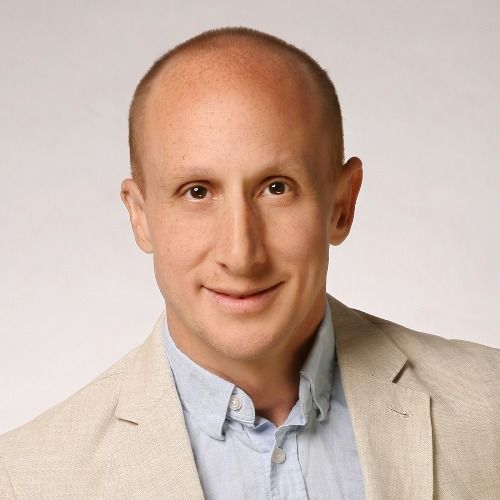
David deRubertis, one of California's preeminent employment trial lawyers, once had a streak of consecutive trials resulting in eight-figure verdicts. And yet he hates jury selection. How did he move past that? By embracing what comes naturally to him and how his mind works. In this conversation with hosts Harry Plotkin and Dan Kramer, David describes how he’s leveraged that lesson to persuade jurors to shift their focus in an employment case – where anger, not necessarily emotional distress, often drives the verdict. He also reveals why one winning strategy may be to not pin the case on the individual client but rather on a corporate defendant’s systemic wrongdoing. A great example: His $464.5 million verdict against Southern California Edison in a workplace harassment case, the largest contested employment verdict ever.
Learn More and Connect
☑️ David deRubertis | LinkedIn
☑️ Harry Plotkin | LinkedIn | Facebook | Instagram
☑️ Dan Kramer | LinkedIn
☑️ Kramer Trial Lawyers on LinkedIn | Facebook | YouTube | Instagram
☑️ Subscribe: Apple Podcasts | Spotify | YouTube
Produced and Powered by LawPods
Episode sponsored by Focus Graphics.
Transcript
Ready to take your verdict and jury selection to the next level? Jury consultant Harry Plotkin and trial lawyer Dan Kramer are your ticket to tipping the scales before trial begins. You're not just picking a jury, you're Picking Justice, produced and powered by LawPods.
Dan Kramer (:All right, welcome back to another episode of Picking Justice. Very excited for this one, Harry, but first what's going on, man? How are jurors looking out there? I haven't been in trial in about a month or two.
Harry Plotkin (:They're still great. I mean, I have a trial coming up where we had questionnaires against a well-known defendant and jurors expressing hate, but there's still a lot of anger toward bad people and bad things and bad companies. Somebody was asking the other day, a lawyer was saying, "I feel like jurors are not as good as they were a few years ago, but I'm still seeing a lot of anger." It's just how you pick the jury and try the case, right? I mean, I'm not seeing anything to concern anybody.
Dan Kramer (:Hopefully you and I or Claire or just be by myself again next week. We're starting one against the County of San Bernardino undercover police officers. So I'm really curious how with so much going on the news, how people are going to feel about law enforcement. So there's a lot to talk about there. I'm focus grouping it today again to see how people react because that may be one and we're going to talk about that today on a lot of pre-having there. But with that, I am very excited. Harry, I'm going to let you do this because I know you guys are very close friends and we have another Picking Justice first. We have our first employment trial lawyer and we are starting with one of the best in the country. Been very excited, been trying to get him on this podcast for a long time.
(:We've had a lot of people reach out to us to get an employment lawyer on here and we finally have one. Harry, who do we have today?
Harry Plotkin (:We have the one and only David deRubertis right now as we're recording this, missing five calls trying to send him cases and he'll return maybe two of those, but he is the best. And there's a reason why he struggles to return it because he is the best. Nobody I've seen better in trial. Took us 18 months to get him and any employment lawyer on here. So the things we're going to talk about today are going to employ just as much to any kind of case. We're not just going to be talking about employment issues.
Dan Kramer (:I'm very excited for this because there's things that I struggle to talk about in my ... I've tried three employment cases, but obviously the vast majority is personal injury. But there's a lot of stuff I struggle to talk about that I know David's so great at and things like emotional damages. How do you talk about that? How do you equate that to millions of dollars? How do you prehab like we talked about? There's so much that we can all intertwine. Employment's a great area of law. It's very interesting. You're coming from a different perspective, but with that, let's dive in. Go ahead, Harry.
Harry Plotkin (:If you don't know David, he tries employment cases, California. And at one point had what, six or seven or more consecutive trials with the eight figure verdicts and now is back on a little run again. So one other thing we're going to talk about today is how you can use jury selection, not so much to necessarily pick your best jury. We've covered that a lot of times and we'll cover it again many more times in future episodes, but how you can kind of use it to start to kind of prime your jurors and get them thinking about the things that you want them to think about and kind of shift their focus. Because with the mini opening here in California or in other states where you get to, we have some latitude to maybe talk a little about the case and what they're going to hear at least.
(:But certainly through your voir dire questions and the topics you're choosing, you're kind of telling them like they have a sense before you even start giving your opening of like what they're hoping to hear and what they think the cases should be about. And I know for David, we'll pick a jury and then he'll tell me in opening how the jurors are reacting. So do you feel like the things we talk about in jury selection have an impact on your audience in opening and for the rest of the trial?
David deRubertis (:First off, thanks. I'm excited to be here. I will say in the last 18 months we had this on calendar twice that I had to cancel. So my apologies and I apologize, but I'm glad to be here. It's interesting. I personally believe the more I've been focusing on how I try cases, I've come to conclude that there's sort of three segments of trials in my mind. Let me make sure I'm still in the game phase of trial. There's the let me win liability phase of trial. And then there's the address the value of the accountability in this case. And the first phase, keep me in the game phase as I really call it to me is mini opening, voir dire, and opening. I try other kinds of cases, but the overwhelming majority are employment and more than I think these cases at the end of the day come down to credibility of the witnesses when they actually get on the stand and they start lying, which in most employment cases, they're doing one of two things.
(:The adverse witnesses are either telling my story or they're lying. They're doing one of the two. That's all set up in jury selection through the mini opening. And I think that cases are one in jury selection. They're one in opening. I don't believe that in more complicated fact pattern cases. I think jury selection, yes, you need to have folks at the end of that process or open-minded to what your case is, but I don't think I win my cases there. I think I create the scenario for winning the case, if that makes sense.
Harry Plotkin (:You can lose in jury selection, but not win. Isn't that great?
David deRubertis (:Absolutely. And we've lost in jury selection and at times before. I actually think the cases lose itself though when you lose in jury selection to some degree. But I think when I want to sit down from jury selection, I want the jury to understand the general themes of what we're there about. I want to have jurors left that may be open to adequately large verdicts given the size of the defendant because we have punitive damages in most of cases. And then I obviously want to make sure we've gotten rid of those that are just completely closed-minded. I don't know if I answered that, but that's my kind of reaction.
Harry Plotkin (:Yeah. I mean, and one example that comes to mind that we'll do a lot, I know in employment cases, but certainly you could do, and PI lawyers could do in PI cases or any kind of case when you know that the witnesses on the defense have lied about something. And maybe it's something small, maybe it's something that they're going to say is not relevant or whatever. And sometimes we'll ask that question, David, which is basically if an employer or a manager or whatever did absolutely nothing wrong and fired somebody for legal reasons, do you think that they would have any reason to lie about anything no matter how small when they're asked questions about it? And jurors will be like, they'll think about it, they'll be like, "That's interesting." And then they'll say, most of them will say, "No, I mean, if you did nothing wrong, why would you have to cover anything?" You may get a couple sometimes who will say, "Well, when you're getting sued, you're embarrassed about something." Most of them, you ask that question and now they're kind of attuned to me some lies in this case.
(:And when they hear the lie during the trial, when the witness is on, they're like, "Oh, now I get it. They're covering something up. There's something they're hiding." Because in employment cases, you don't win just by proving that whatever termination reason that the defense gave is true or false, right? You have to prove, sometimes jurors will be like, "Well, I don't really believe their reason, but I don't think it was age discrimination. I don't think it was gender. I don't think it was whatever you were pleading." But if you can kind of get them focused on the lies and wondering about those lies, would they have any reason to lie if this was a legal termination? Then they're like, "Huh, now I want to look for these lies." So it's those kind of things in voir dire that you can kind of get your jurors looking for.
(:And if you can get them looking for things that you know are the strengths of your case, you've kind of won in a little way, right? I
Dan Kramer (:Think that's really important for our listeners to understand. We always talk about there's cause challenge questions, there's really trying to plant the seed on money, but this is really a planting the seed type of question. Once you put it into that kind of bucket, like you said, Harry, just to plant that for your opening.
David deRubertis (:It's interesting because I was looking over, and I will say everything I do about voir dire is basically Harry's told me or Claire's told me. So I don't take any pride of authorship over any of this, but I was looking through voir dire questions that we've done in typical pretext cases. That is, defendant says, "I fired the plaintiff for this reason." We're saying that's a lie, that's a coverup for illegal reasons. It's interesting. 80% of the questions I think that we are typically asking in those cases are not plant the seed questions. We generally have through focus grouping and identifying the questions, we've got four or five, maybe six big topics usually. And usually only one of those is planting the seed and it's the question Harry just did, which is critical because to be clear, it's also a proper question because ultimately we ask something to the effect of, do you have a problem having a job where you're going to have to second guess the employer reasons?
(:You're going to look at what they say, you're going to put it under a microscope and you're going to figure out, is that the true reason or is that a coverup excuse for an illegal reason? So it actually goes to their ability to do their job as jurors, but it frames the issue. And it's interesting. I'll never forget, not to get PG whatever already, but I'll never forget when I saw, this was back in like 2007 or so, I was trying a case where, true story, my client was the former youth director of a YMCA and she had a very troubled past before she had that job and she had been involved in street drugs, all sorts of things. She had acted in a soft core porn video and that video was online and you could Google her and youth director comes up and then that comes up.
(:Now it was a classic case of retaliation. Ultimately she makes a report and then they fire her saying, "We found the video." And I'll never forget, the video was very bad for our side because when you saw it and you saw she was a youth director, there was something that just felt wrong about that because the kids could see this. The judge actually took this issue over in jury selection. It was amazing when I saw this. She raised her hand. Everyone here, we have to talk about something uncomfortable. We got to talk about porn. This was the judge doing it. We've got the best judge voir dire I've ever seen. It was fascinating because coming from the judge for some unique reason, it just opened it up and the judge was very good in how she handled. And she just kept saying, "But you guys, everyone needs to understand this.
(:It's not about whether they should have been allowed to fire because of that. It's about whether that was the true reason." I saw this happen in a way that got everybody in that room understanding my job is to figure out if it's true or not. So perfect example of planting a seed thereby the judge, that I think is critical because ultimately you need jurors in these cases that will look at the true reason and figure out was it true or not. You
Dan Kramer (:Said it in mini opening and then the judge did the questioning
David deRubertis (:On it. Go my best memory is we came out and
Dan Kramer (:Said it. So how did you even weave that into your mini opening, the porn?
David deRubertis (:We acknowledged she was in these movies two days in her life, didn't prevent her from doing the job, but they fired her, they say because of that, went right to it. And what we do now in our questions, the same sort of question, but it's that same dynamic. It's getting them to reframe the way they're looking at this
Harry Plotkin (:From- And some of the jurors were like, "All right, can I retract my hardship
David deRubertis (:Request?" Yeah, that's a legitimate reason to fire versus that's the actual truth of why they did it.
Dan Kramer (:You asked the question, "Would they have any reason to lie?" And then what kind of answers are you typically getting? What's usually the answers you get? Just like, "No, of course not. If you have no reason to lie." Because it seemed like everyone would sort of agree with that.
Harry Plotkin (:Mostly people, you just see people thinking about it and nodding their heads like, yeah, yeah. Occasionally you get somebody who will come up with some, and obviously they're a bad juror, just like they did something embarrassing or they're afraid of getting sued. They'll come up with an excuse of why an employer might lie about something when they're getting defensive and they have to defend yourself. And obviously that's a bad thing. So that's the point of these questions is you do sometimes get some bad answers. But in this case, when you talk then about circumstantial evidence and can they make a decision, that's where you're kind of leading them. If you can frame it the right way, but then you always want to then come back and say, "Who here thinks that this is like, I still can't make a decision on circumstantial evidence. I can't read what their mind is and we don't have a crystal ball.
(:And how do we know that's the real reason then at will employment?" I mean, they could do whatever they want.
David deRubertis (:Well, and to me, it's interesting because that question generates overwhelming no-brainer duh answers, of course, if it's a real reason they don't need a lie. You get overwhelming amount of people doing that, but you get two categories of people that are bad. You get the ones that are saying, "Ooh, I'm not comfortable making that decision." They're right. The folks who are going to elevate the standard of proof too high, they're the ones that aren't going to see circumstantial. I remember a lot of times people saying, "Well, yeah, they were lying because they were afraid of being sued." It's also a very good, it is a seed planting question, but it's also a very good question to identify those outliers. They're not a lot, but you can identify them from that question.
Harry Plotkin (:There's other questions that you can ask along the same lines to kind of get, on the one hand, identify bad jurors, but on the other hand, you're just trying to show them reasons why they should be focused on the right things and not the wrong things. And so an example that kind of goes into this is sometimes we'll ask, what are your feelings about whether employers should have to be consistent with their employment decisions, enforce the rules to everybody? Because sometimes in these cases, it's like the pretext is, we fired the plaintiff because if plaintiff was late to work seven times and our policies say five times you're fired. Jurors are like, "Huh, you were late, you should be fired." But then what happens if a bunch of other people were late 12 times and they weren't fired? Oh, what do you do then? And so if you ask that question and you go, should they have to?
(:I mean, most people are they're fair people, they go, "Yeah, they should have to be consistent." But you have to get them thinking about that because otherwise they'll be like, "Well, if this person deserves to be fired, I can't call this a wrongful termination." Then you have to get them to see past like, "Well, what about this? What about that? "
David deRubertis (:Can I give a specific example on that? Because we did a trial two and a half years ago, a case against Kaiser where represented a charge nurse. She was fired for something that we admitted was a complete policy violation. She's sitting in the NICU, the neonatal intensive care unit. She takes off her shoes and sock and she puts her bare feet on a incubator. I forget what they're called nowadays, but back in the old days, they were called an incubator. Isolate, I think they call them. I deleted the fact it's two and a half years ago, but she puts her feet on those. Barefoot on that isolate that has a sick baby inside of it. Kaiser fired her supposedly for doing that. She did it. It was not something she should have done. It violated a policy. But we had other evidence and they said it was endangered the baby because the thing could have been knocked over even though it's nevermind that it was-
Harry Plotkin (:And that she denied it at first. That was part of the reason too.
David deRubertis (:Well, the union actually tried to get her to deny it, but then she took a break from the union meeting, comes back in and she's like, "No, it was me. " In that case, we had evidence of serious patient safety violations by other nurses and no discipline or no termination. So I'm looking at here, we had one of our five topics of jury selection was basically this issue. And the questions were like, when it comes to enforcing their own rules, what are your feelings about whether employer should have the right to use discretion? Meaning it's okay to fire an employee for violating the same policy when others were not fired for more serious policy violations. Then that was kind of a setup. Then during this trial, you get to hear all the evidence about how Kaiser responded to different kinds of complaints about employee violations.
(:Do you think you can figure out what a company's motives and priorities are from how seriously they take one kind of complaint versus another? And that was important because talking about using jury selection to set up what we did in the case, that set up looking at this idea of some violations are different. Can you infer the defendant's motive from which they punish? What were they punishing? Ultimately, in the evidence came out, we were drawing a very clear distinction. Our clients raising concerns that implicate staffing shortages, nurse-patient ratio shortages, not having enough staff cutting corners with staffing, jeopardizing patient safety. The other complaints or other violations never implicated that. So it set up this kind of distinction that if they're coming after her disproportionately, look at why. That makes sense?
Harry Plotkin (:And the beauty of that question is that you don't ask that question and you don't address it. Jurors are probably in the opening when they're in the trial are going like, "Does this lady deserve to be fired? Did she do something bad?" When you throw these topics at them, now they're thinking, "I want to see what other people did. I want to see how do they handle that? " So now they're focused on a totally different task that you can use jury selection to kind of educate them and frame them and you got to focus on the right things. Because I think without those kind of questions, they're just thinking, "Did she do something bad? Does she deserve to be fired?" And they're probably going to hear, yeah, and then she's going to be gone. So you got to let them know jurors are not going to see things that they don't know are coming necessarily.
(:They may have totally missed, why the hell is he talking about these other employees? But when you in voir dire, it's your only real time to really frame it and get them understanding why that's important.
Dan Kramer (:So will you use the tardy as an analogy if you're getting too close to the facts or something like that? It has nothing to do with the person being late, but will you use that analogy, David, different analogy?
David deRubertis (:I try really hard not to get any facts into the questions. In California, at least we've had that mini opening. So the mini opening will get this out there. I don't exactly remember that mini opening, but I guarantee you that one thing we did in that mini opening was we said she was fired. They say she was fired for doing this. She did do it. She admits it's a policy violation, but we're going to show you in this case much more serious policy violations and you're going to get to see how Kaiser acted on those or didn't act. Sure if we said something like that in the mini.
Dan Kramer (:Well, Harry, explain to our listeners why you would never say you're going to see much more serious. Explain that. I know we've talked about it before, but I think it's important.
Harry Plotkin (:We definitely didn't say you're going to see much more serious one, but what did other people do and how did they respond one other? Something like that. Jurors don't know the distinction between hearing evidence and hearing something in mini opening, any reason to feel like they're leaning. What are they going to say? The defense is like, "Are you already leaning?" And they're like, "Well, I already heard from Mr. T. Burr that other people did worse things." And especially if you were to give an example, they didn't fire that other nurse for slapping that patient or whatever, dropping that baby or whatever it was. Getting them curious is actually better, I think. And we can talk about this. You don't want to raise their expectations about the case. If you oversell your case or even accurately sell your, they're not going to be surprised. There's a lot of, and we can talk about this later, a power of underselling in mini opening, but just getting them curious is all you want to do.
(:And so you want to go, she did this, if you violated a policy, respond when other nurses did violations, because you got to figure out what the real reason is. Did this really actually bother them? And then people are like, "I want to know this. " So getting them curious, answering their question, now they're not going to focus on it in trial, but if they're super curious, and that's kind of the point, I think of what we're talking about, using jury selection questions and topics to get curious about the things you want them to be curious about.
David deRubertis (:And can I make an interesting observation right there? So this is why your mini opening, by the way, and I wanted to talk about this because it's a silly thing, but it has been super important. If you work with Harry and he's honest with you, it's really important that every word he chooses for your jury selection is the exact word you use. What I just did spontaneously talking would've completely botched my mini opening, oversold the case right there. And I know better, but it's so interesting because it goes back to why. And part of why I hate mini opening in jury selection is I truly feel that horrible perfectionist in me comes out that every word matters identically. And if you mess it up, it does change the result. And I'll tell you, for years, the most stressful part of trial to me was the damn two to five minute mini opening because I am not a fast memorizer.
(:I can't memorize a script. I can memorize the story I intend to tell and then I can use my own words as I tell it. But I would spend a full day sometimes memorizing five minute mini opening to not do what I just did and get it wrong. And one little stupid thing I will tell you is the freedom I feel in telling myself, I don't have to memorize that damn mini. I'll do my best. But if I need to look at a piece of paper and have it on the table to get the exact words right, I'm going to do that. And it's been super freeing and I've not messed up in the way I just did because the proper way to do that mini is Harry's talking about introducing the negative point. My client did what they said she did. It was a violation of policy and then teasing, but you'll get to hear what others did and whether they were treated the same.
(:I think that's what you're talking about, right?
Dan Kramer (:I've never had Harry have to write me a note saying I got the wording wrong ever. I always just nail it every single time. I'm like, "Dude, that's exactly how you worded it. " He's like, "No, I did it. " And then he points at words and I'm like-
David deRubertis (:But then the best part is Harry will be like, "Try to do it a little better." And then at lunch, Claire will be like, "Fucked it up. Harry's telling you you need to ask the actual question."
Dan Kramer (:That's why I had this snowball effect in the jury selection. It was bad. I want to talk about that, David, because I teach this jury selection class at Southwestern with Rob Glassman. And we talk a lot about how it's important to stay focused, not look at your notes, not read a script and all that stuff. I try to avoid doing that, but what are you doing now? Are you looking down and actually reading questions or what do you-
David deRubertis (:So two things. I don't think there's a right answer. I really don't. I think obviously the less you're looking at anything, the better. But I will just tell you for me, I don't have the ability to memorize a phrase well. I just don't. And-
Dan Kramer (:I get more nervous. I'll get more in my head. I'll get nervous. I won't be ... And jury selection's all about mindset. It's all about your mental state when you walk in there. And if you're nervous that you're stumbling over the wrong word, it's bad all around, I think.
David deRubertis (:It's bad. So I've personally come around to say, if I got to have a piece of paper that has the exact language and I got to look down every once in a while, but it gets the word right and it frees me up mentally to engage in the conversation, that's a lesser of two evils. And let me kind of digress from that for one second because I always ... It's funny, I get asked to talk about jury selection I think a disproportionate amount of time, given the fact that I hate it. And Harry will tell you, I think of all the lawyers that you've worked for, Harry, and we've been working together for almost like 15 years exclusively, I don't think there's any lawyer out there that loves trial and hates jury selection more than me. And I'm a different person when I get over jury select.
Dan Kramer (:That's the promo wheel for this episode right there. That's going to be the promo wheel.
David deRubertis (:It's true. It's like I look at others who are great in jury selection and they're usually people that if you're in a room of a bunch of strangers, they're the ones talking up that room. I'm the one in the fucking corner saying, "When can I go home?" When you put me in a room to pick a jury, I don't feel natural. I can sit there and I could be cross-examining a witness while operating the computer myself, pulling up the impeachment while reading what the witness is saying and text messaging my wife about the kids at home. If I'm in a 7-7-6, an adverse cross-exam, my mind can work that. But in jury selection, it does. I cannot get up. Listen to what you're saying. Ask the right question without Harry sending me a note that I've botched the wording. Process the answer, actively listen, engage with that human being, develop a connection, and then actually write down the data to evaluate them later on.
(:When I tried to do that for years, I hated it. I was ineffective. It didn't work for me. Now being the last, ever since I attached myself at the hip to Harry, Manclair, I don't do any of that. So I get on up and I have my ... I'm just looking at some. Most of our jury selections are two pages of questions. I got the color coding, which tells me what, and I don't memorize it, to be honest. I don't because I can't. I generally know what I'm saying. And then when it comes to the actual question, the setups I know how to do, the actual question, I've got it in color and I will look down at least the first or second time I'm asking it to make sure I get it entirely right. And I don't write down any answers. I almost write nothing down that they say.
(:Look, the other thing, obviously, and I'm sure you guys have talked about this a lot, everything in trial is about relationship and it's about relationship between you and jury. And I think you as the lawyer and your relationship with that jury is the most important thing you have in a trial. It is your credibility and your connection with them. And there's no way to start forming that. The way my mind works, I can't form that relationship if I'm also a data tracker of everything they've said. I try to put down the pen or not write anything, but I try to free myself up mentally that it's okay if I got to look at the piece of paper to ask the questions every once in a while. That's my long-winded answer.
Dan Kramer (:What you just said is super important. It is what makes you a really credible trial lawyer is recognizing what your strength is and isn't in trial. And then it's adjusting. For all our listeners out there who maybe feel like David, they can't get into a room with strangers. They don't like to do that good small talk mingling and really like, they just don't like it. They feel uncomfortable. Go to David's website and look at the results he's got. Seriously, I don't think there's a trial lawyer out there who's gotten the verdicts maybe aside from rally maybe, but in the last five years, it's just out of control. But he's someone that really is uncomfortable in jury selection. So it goes to show that you can get great results. It's just a matter of recognizing where your strengths are, where your weaknesses are, and then adjust like David has.
(:And I mean, you're not going to be able to get here. I can't even get Harry on all my cases, but that doesn't mean you can't adjust in your own way, get your own questions and figure it out. And one other thing I wanted to ask Harry, because you see a lot. I mean, how much should we worry as trial lawyers? Don't look down at a piece of paper, don't look at words, don't read anything. Are we losing the connection with jurors? Is that too overblown in our minds like in jury selection or is it okay to occasionally read a question, read a sentence without, and can you still maintain that connection? Harry, what do you think or David?
Harry Plotkin (:I think it is a little overblown. I don't think by the end of a trial. I mean, you have a long time in trial to build credibility with them. The whole trial, you're just looking confused and you're fumbling around with notes. That's one thing. But just in jury selection the first day or two of a two-week trial or longer, I don't think it bothers jurors. You have a piece of paper and you're going through your questions and everything. And I think like what David said is it's okay to read the question one time and then get off it and now you're engaging with it. How do you feel? As long as you kind of nailed it and they understand what the question is the first time, you don't have to keep asking it over and over again and going back. If it seemed like you were reading your opening and you didn't know the facts of your own case, that's very different than knowing what questions to ask them.
David deRubertis (:No, and let me be really clear about this. I'm talking about mini opening and jury selection. That is when I will free myself up to use those notes more than conventional teaching tells me is okay. Why? Because by doing that, I'm comfortable. Because if I could be comfortable up there and I can facilitate a conversation and I can actively listen, I'm relationship building. That's only at that stage of the trial. God almighty, reading an opening, no. Looking at notes constantly during an opening, no. But I do think I have freed myself up to do that in many and in jury selection, and it's been completely transformative for me.
Dan Kramer (:And again, I also want to be clear that the initial question, but then once you've got, like Harry saying, you're then just opening it up and you're comfortable talking, getting the date going and all that, right?
David deRubertis (:Opening question. It's getting everyone to see it. Then I put the notes down and then we have a conversation. And I might pick that note back up when somebody's like eight jurors later, they're like, "Wait, what's the question?" And I'm like, "Oh shit, I don't want to get it wrong." And I might pick it back up. And I even will tell them at times, "I'm looking at this because answer exactly the question I'm asking." That's why I want to make sure we get exactly right. And that's one of those because I know Harry's going to be like, "You said May." He's right. That's why the other thing is if you're going to hire Harry or Claire, actually ask the questions they write, not the ones that you think are better. I personally am always amazed at lawyers that hire Harry and Claire. And then I go watch and I'm like, "Wait, that doesn't sound like a question he wrote." Because I just think if you're hiring the folks, do what they say because they know and put the ego aside and I want to win for my client and I don't care whose question it is.
Dan Kramer (:Especially if a few words can completely change the meaning and then you get bad answers. I've been there, trust me.
David deRubertis (:I don't remember what case it was, but I remember like, oh, this was within the last five years. And I remember a case where I'm like, I thought I was flowing and I come back and Harry's like, "For the last 15 minutes, you've been asking the wrong question." And he couldn't get my attention and the change of the wording changed, the significance.
Harry Plotkin (:A good example is years ago we used to ask, should employers blah, blah, blah. And people are like, "Yeah, yeah." But then you should have been asking, should employers have to? Some jurors will say, "Should they? Yeah, in a perfect world, they should, but do they have to? I don't know. " And those are terrible jurors. If you just ask, should employers do that? They're like, "Yeah, sure." Asking should is like, well, in a perfect world, should they? But have to, for some jurors, there's no difference. In some jurors, there is a difference. And sometimes when you ask the question the right way, every time we pick a jury, Dave, there's one or two people who basically tells you a question is stupid. And obviously I'm sitting there grinning being like, "No, that's a perfect question. I identified you as a juror who was a terrible juror."
David deRubertis (:And always at a break, Harry's like, "See, that is a good question." When they question the question that succeeded.
Dan Kramer (:3D chess here. I like it. All right. Well, with that, let's take a quick sponsor break.
Harry Plotkin (:All right. So I'm super excited to talk about one of our newest sponsors, a company I've wanted to work with for a long time, Focus Graphics. They are specialists in demonstrative trial graphics. Basically, you as attorneys, you tell the story of your case and you rely on Focus Graphics to do the visual storytelling. They do animations, they do medical illustrations, things like that. And the thing that makes Focus Graphics different, for those of you who haven't heard of them, I'm sure most of you have, but they're the only visual company that actually focus groups their work. So obviously I love that kind of thing. They actually test it with jurors and see what jurors think and tweak it based on what feedback they get, which is something you should be doing anyway. And so that additional service ensures that your jury is not the first to see your visuals.
(:They have an in- house team of animators, illustrators, visual consultants to ensure that your medical and forensic and engineering visuals are all accurate. They do those super detailed medical illustrations, but they also do demonstrative, persuasive ones as well. I know they worked with many of the lawyers we've had on our show already and some of the ones upcoming. They tell me over 20 billion in verdict and settlements based on their work. And they've worked with Nick Rauley, John Marco, Samantha Thiel, who's on our episode who just got that $300 million verdict. Tom Dickerson, Jude Buiciel, Kurt Zehner, Kale Paris, Luris Armis. And of course, Sean Claggett, because Sean is part of the company and his brother Seton runs the company. If it's good enough for Sean Claggett, I'm sure it's good enough for you guys. I would encourage you to work with them. They're playing a focus.
(:If you want to get in touch with them, contact Seton Claggett. His email is seeden@focusgraphics.com and give them a try because they're terrific and we can't use enough help in our trials. Trial is a team thing. So excited about Focus Graphics.
Dan Kramer (:All right, welcome back. Thanks again to our sponsors. And as always, thank you to The LawPods for making this all possible and helping us educate all the trial lawyers out there nationwide. One topic I want to talk about, which kind of jogged my memory here when Harry was talking about it's just you obviously have to deal with circumstantial evidence a lot in your cases, David. You're hardly ever going to get the CEO to admit that he was discriminating against his pregnant employee in an email. It's rare probably, I imagine. So circumstantial evidence is a big deal. How do you introduce that concept? Do you introduce that concept in jury selection? What are the ways you guys formulate questions to get them to understand that circumstantial evidence is just as good as direct evidence?
David deRubertis (:I'm going to off the cuff answer this. And Harry, tell me if I'm wrong, but I don't believe we actually address circumstantial evidence as a concept in jury selection. I think we address it through the questions we've talked about through the pretext question, through the comparative evidence question. In other words, the question that we talked about with the Kaiser Whistleblower case where, in fact, let me see that. The ones I read about selective enforcement. So tell me if I'm wrong, Harry. I think we basically have questions that address the type of circumstantial evidence that will be in our case rather than a generic circumstantial evidence.
Harry Plotkin (:Yes. I'm going to give you partial credit for that one. We haven't for a long time. There have been times that we have. Remember the last time that we picked a jury where the judge gave David more than an hour for voir dire. More than others has been on a run of judges who just have super tight. I mean, we had one in San Diego that was 30 minutes to question 35 jurors. We've had one that give us 60 minutes for the whole room of like 60 jurors. And when time is tight, we got to really be like, we just got to hit the key topics. You can't have the luxury of talking about circumstantial evidence as much. Well, there have been times though we've talked about it.
David deRubertis (:All of the jury selections we've done the last five years, there was no circumstantial evidence quite.
Harry Plotkin (:I don't think you need it though. Yeah. Not the last five years, for sure. Yeah.
Dan Kramer (:I'm just thinking about it. For example, in a PI case where you have a slip and fall and there's no proof who spilled the water or how the water got there, you just have to go based on ... I mean, I tried that case where you go on the string of liquid that we believe that the janitor spilled. It just looked like ... So I think I've addressed it in premises liability. I mean, do you address it in PI cases, circumstantial evidence? Or do you think just using that phrase is not common enough for jurors to understand so you ask it differently?
David deRubertis (:Harry and I share the brain. He's got the better half. So let's see what he says. I think the answer is we don't, but the reason is, since I've met Harry, every case we've tried and we've tried a lot together with two exceptions, we focus group. Okay? There was one where I got in too late and there was another where it was just unique circumstances and those two we didn't focus group. Our practice is we focus group our case. Our focus groups develop voir dire questions. So I think from that process, we are always getting fact-specific questions for the circumstantial evidence issues so that we don't end up doing it the generic way. And not coming to mind, maybe the better half of my mind in that premises case, I'm wondering if there is a question that a focus group would generate that would be the substitute for and the improvement of the generic circumstantial evidence.
(:Harry, what do you think?
Harry Plotkin (:There are better ways than saying, "Hey, there's only circumstantial evidence in this case," because that's the way we used to do it of you're not going to be able to read their mind. You have to decide what their real reason was. And obviously you can't read their minds. The one I used to do, remember, was to say, "Does anyone here think that if a company did fire somebody because of their race, would they admit it to you in trial?" And everyone's like, "No." Would anyone think they'd be dumb enough to put it in an email, "Hey, let's fire Joe because he's African American." And of course not. For that reason, you're not going to see any direct evidence. It's going to be all circumstantial. But I think an even better way to do that, and you're kind of doing it in that question though too, is to, without saying circumstantial, is to convince them of why it's fair.
(:Dan, in that slip and fall case with the water and everything, I would ask him something like, "Hey, if there was a video of showing it, think we'd even be here today?" No, of course not. Can you use your common sense? The other side will say we have the burden of proof and we do, but does anyone here think that you're going to make a decision that's at odds with your common sense? I mean, that's all circumstantial evidence is.
David deRubertis (:Ring camera was pointed a different direction, doesn't mean it didn't happen at that spot, right? Something more like that. And I will say, as much as I take no credit for anything on jury selection, I do think I had some level of contribution on our pretext question. I remember talking to you about that, and that's the one thing I've ever contributed to our jury process.
Harry Plotkin (:And I think an employment case is better than talking about, "Hey, who couldn't decide on circumstantial evidence?" I think it's better to use the examples that we gave, which is to get them curious about the circumstantial love. I think you could figure out the decisions that they make with different employees, what actually matters to them, because you're just talking about circumstantial without saying it. So if you can find a way to make it sound good and then figure out which jurors still disagree with you. I mean, that's my philosophy for a lot of things, for damages, for a lot of things is just make it sound as good as you can. Make the idea of giving money for pain and suffering as good as it can sound, and then see, who still hates it? If you kind of framed it the best way and somebody still says, "I don't know, " then you really know that they suck.
David deRubertis (:I also think when you think about the question of, as a juror, are you comfortable this power to second guess and to look at their reason? It also is doing something really wonderful, which it's empowering the jury a little bit, right? And especially in punitive damage employment type cases, empowerment of the jury is as important as anything. And I do want that out there in jury selection. Now, I think we really get to it in jury selection when we talk about the punitive damage question, but even the question of like, "Hey, you don't got to accept what they're saying. It's up to you. " It shows the jury you're who matters here. What their witnesses say when they raise their hand and pretend to tell the truth isn't what matters. What matters is what you think.
Dan Kramer (:How would you frame the damages as best you can in an employment case?
Harry Plotkin (:Well, not just an employment case, but any case, rather than say the old way that I used to do it, which was really negative, we're going to be asking for money for things like emotional distress and pain and suffering seems a little ridiculous. And when you say it that way, it sounds kind of weak and you get a lot of people going, "Yeah, millions for emotional distress." It's better to say fully accountable. And in PI cases, we'll talk about quality of life. And in employment cases, a lot of times, sometimes I'll say quality of life, sometimes I'll say mental wellbeing, trauma. If it's something that feels like really bad harassment, we'll say, you have to put a value on ... You get to make important decisions about the value of somebody's trauma and their mental wellbeing. So you make it sound better. And then of course you throw in fully accountable and you're going to decide how much it's going to take to hold a company, an employer fully accountable for the harm they cause somebody.
(:And those jurors, you framed it probably the best way. And you probably have some conservative jurors who are like, "Yeah, fully accountable. I want to. " Then you know that the jurors who don't like it aren't just confused. They're like, "This is bullshit. Why should a company be fully accountable?"
Dan Kramer (:David, is that how you directly introduce the damages? I mean, what's your kind of line with damages?
David deRubertis (:A couple of things. So let me say this is a difference. If I'm trying a PI case, I might do this differently. But in employment cases, I absolutely do not come out with stated number early on, and there's a lot of reasons for that. I do think employment cases, particularly punitive damage, anger-driven cases, I've got to see how that case is trying and how much their witnesses are lying to know, engage the anger and the ask. I can go into a case having a general sense of what I'm asking for. There's a range, and I've had times where it's doubled during trial. I've had times where it's been cut in half. I've had times where it tried so well, it quadrupled. It just depends, and I got to feel the vibe of the trial to know that. So what I do is, and it's pretty much ... I'm trying to think.
(:I can't think of any case where I didn't do this. It first comes out at the very end of mini opening. The very end of mini opening is some line to the effect, and I don't have my mini opening to read it right now. I don't have one pulled up, but it's something to the effect, and Harry, tell me if I'm wrong, that at the end of this day, we're going to ask you to hold this defendant fully accountable for the loss of quality of life or whatever phrase applies there. It will take many millions of dollars to do that. Now, we also probably then say something about the most important part of the case, punitive damages. So I do two things. I want to get out many millions. Harry used to write it with many millions. I've added a few manies to that because I think it gets the point across.
(:This isn't just ... Many millions could mean four million, five million to some people. I want to make it clear this is a lot more than that, but I'm not defining it. Then the punitive damage question or the punitive damage point, the most important part of the case. Punitive damage case, I'm trying to get the jury to see we're here to change corporate behavior through a punitive damage verdict. We're here to make sure this doesn't happen to anybody again. And that's the most important part of case because it's the one time they can be on the walls of this courtroom. In fact, they're supposed to in a punitive damage verdict. I'm doing that. That's coming out in mini opening. Then in jury selection, we've got a series of questions at the end that basically go to the concept. And Harry, maybe you'll know the phrasing better than I can remember on this, but it's the same thing.
(:It's getting that commitment that many, many, many millions of dollars basically. Are you open to the possibility it could take? And Harry wrote many millions and it was many, many, many millions to hold a company fully accountable for the harm their actions caused an employee, or does that amount seem excessive or unreasonable to you no matter what they did or didn't do? That was invia, Harry. Does that sound right? So
Dan Kramer (:It's interesting because you didn't even touch, you didn't even use the word emotional distress or mental- I
Harry Plotkin (:Never used that word. Yeah.
Dan Kramer (:Any kind of damage words in that question, did you?
David deRubertis (:No. It just says fully accountable for the harm their actions caused the employee.
Dan Kramer (:That's an interesting strategy, Harry. Is that pretty employment specific, you would say?
Harry Plotkin (:It's also good to get in PI cases quality of life out there, but you don't have to. Even better is just the fully accountable for causing harm.
Dan Kramer (:That's a little newer way. It is really to the point, fully accountable for the loss of quality of life to Mr. Smith, something like that. Or
Harry Plotkin (:Just for the harm they caused, their decisions caused. The
Dan Kramer (:Harm they cause. Yeah.
David deRubertis (:And I'm looking, the last two we did was for the harm they cost. It did nothing more than that. The
Harry Plotkin (:Words that you would choose in an employment case are not always perfect. But
David deRubertis (:Wait, but Harry, let me go back for one second because Callahan. So we did a employment failure to accommodate leading to physical pain. It was a, you've aggravated his chronic pain and you've aggravated his heart condition because of complicated causation stuff. That case, our questions talked about quality of life.
Harry Plotkin (:True. Yeah, that was a PI case essentially. Yeah.
David deRubertis (:If that was effectively a PI employment case and quality of life was in those questions.
Dan Kramer (:I'm just amazed about some of these employment verdicts you see and the person lost their job, but it's like, and maybe they went to a psychologist, maybe they didn't and you're still seeing big verdicts, but you're not spending a lot of time talking about emotional distress from job loss and jury selection.
David deRubertis (:It's one of five or six topics. I mean, I'm looking here. This was an hour long jury selection. You gave five or 10 minutes to cover it in the last one we did.
Harry Plotkin (:Really any case that where liability is in the case and somebody did something pretty bad, hopefully more than some driver or an employee doing something. When there's some negligence on the company's part, anger's going to drive the verdict a ton.
David deRubertis (:That is what is so different. If we're representing in a PI case, you have a brain injury with significant obvious impacts on life and function, that's the obvious thing to talk about. In these employment cases, it is different. The amount of non-economic damages is going to be driven largely by how they feel about liability. And yes, you have to have the damage facts to get there. And yes, you get a jury that's willing to go big if it's justified, but if it's justified comes out of how do they feel when we start getting witnesses on the stand. I cannot tell you the number of time. When I'm doing adverse witness exams, which is I'll spend sometimes three, four weeks of nothing but adverse witness exams in our trials because that's the way employment cases. And I can always almost tell you, when I'm asking questions, I'm asking them to the jury, the witness is irrelevant to me, I'm communicating with the jury.
(:I can tell you almost always when certain jurors switched. And when I talk to them afterwards, it's right like, yeah, you had me at that point. It's never the sad story about my client. It's always when that defense witness gets up there and either is lying because they won't admit my story or they roll and they admit everything I just told the jury in opening is what this case is actually about. Until that happens, if I talk about harm after that happens, it's going to be a lot better than if I talk about the harm before that happens.
Dan Kramer (:David, you and I presented two different closing arguments for the Kellogg. It was interesting, and you saw how I broke down every element of the damages and different chapters and all that, whereas I think you and you also said Carney Shagarian kind of does this, put a number, like $25 million or ... I don't remember if that's how you, but I remember you told a story about Carney Shagarian just at the very end of trial saying that the case is worth $25 million. And then since-
Harry Plotkin (:He doesn't explain it. Yeah.
Dan Kramer (:Yeah, it just doesn't explain it because, but I think that ties in all what we're talking about. It's like the dollar amounts-
David deRubertis (:I'm in between. Harney has absolutely done that and it blew my mind and it was so successful and it's worked so well with no rationale in time. But it really illustrates the point that in these cases, the anger drives.
Harry Plotkin (:And like a lot of things, I mean, I know in Carney's case, this is true. The more you sell something, the more the jurors are going, "Why is he selling it? " If you came into a car dealership and there was some fancy car and they were like, "This car's $500,000." And that's all you said. You'd be like, "Wow, must be a nice car." But if they were like, "And let me tell you why." And then you went into this thing and you just tap dance of selling the car, they're like, "Why is this guy selling this so hard?" And so I think that to some degree that's true. You can oversell. The more you feel like you have to sell your damages, the more jurors are going, "This guy's selling it. " It takes a lot of guts to just throw out a number and not explain it, but sometimes less is more, right?
Dan Kramer (:I've heard you speak on this a lot. You have the credibility and you've built it throughout trial and you've maintained credibility, why should they not believe your numbers reasonable?
David deRubertis (:And in employment cases, and this is the subject of a whole nother discussion, and I've done day long seminars or two day long seminars on this in employment cases, the other part of credibility is you have to frame your case around the honest truth of what happened in a workplace because juries understand the reality of what happens in workplaces. And what we do wrong as employment lawyers is we don't get to the bottom of what was actually happening in the workplace. We only focus on the narrow issues of the legal claims. That's a whole subject for another seminar.
Harry Plotkin (:But the other thing too is to keep in mind when we're talking about damages in these cases, would you rather ... I mean, because there have been times when David and I pick juries where we almost ask almost nothing about damages. And that's why if we have 45 minutes, I may say five minutes for damages. And usually by the end of there, I'm going to write down the names of like six or seven numbers of jurors out of the 35 and say, "These are the only people I need you to even ask about damages." And you think to yourself, which juror would you rather have? Would you rather keep a juror who says, "Yeah, I have no problem with damages. I have no problem with millions of damages." They don't really get upset about whatever the issue is that the defendant did. Or would you rather have somebody who's like, "I think there's too many lawsuits.
(:I think there's too many frivolous lawsuits. I don't know about millions of dollars, but pisses me off when companies do this. " And this is a real sore subject. I would rather have a bunch of jurors who we know our case is going to push their buttons and not give a shit about what they say about damages than someone who's like, "I'm great on damages, but I don't really blame employers for doing this or that. " And so it's really about liability and it applies to a lot of PI cases too. Yeah.
Dan Kramer (:Can you analogize or clarify how that philosophy would apply to PI or how it'd be different?
Harry Plotkin (:Really is only when you have liability. I mean, if it's an admitted liability case, I would just throw this advice out the door because then your case has the value of quality of life and you have to have a totally different approach and they don't get pissed off. If you have a liability fight where they're going to be pissed off at what the defendant did, not just necessarily like if you're suing FedEx because a driver did something, there's not necessarily a lot of anger, but if it's like FedEx didn't screen their driver, this is a guy who had a DUI two years before and they hired him, that's what's going to piss jurors off. And I'd rather have someone who's like, every company I've ever worked for screens their drivers before they hire them and they take safety seriously and they do this and they do that and they're going to get pissed off.
(:Even if their answers on damages aren't necessarily great, I'd rather have that juror than somebody who's like great on damage questions in a vacuum and voir dire, but I've never worked for somebody who screened anybody and it's not that big a deal. And you give people a second chance. If you have a case where you know there's going to be piss off points, the piss off points are more important than how they feel about damages. You know they have strong opinions about those. Those are real convictions. Whereas you ask them like, "How do you feel about damages in civil cases?" Who's ever thought about those before? Those are half baked answers anyway.
Dan Kramer (:I'm starting to see why you don't spend a lot of time because no one really thinks how much is the emotional distress from getting fired. I mean, that's a even more foreign concept and you could lose good jurors too who are like, "Got fired." Everyone has a job, not everyone's been injured in a car crash.
David deRubertis (:Yeah. And I mean, think about it. The last five years we've been trying cases and it's gotten a little bit better, but right after you started coming out of COVID, "Hi, I'm here for $20 million for loss of a job." We all have lost jobs lately that don't work that way. Harry, tell me if I'm wrong. In the last five years, we've spent more focus in our jury selection old days, identify bad jurors, remove them. That was sort of mantra. I think now it's a hybrid of identify bad and remove, but equally important, identify potential large verdict jurors and keep them on the case. We've spent as much effort on that as anything else lately.
Harry Plotkin (:Yeah. I want to know the difference between not just employment, but definitely employment. I want to know, distinguish the difference between jurors who are going to get really pissed off and jurors who are fine, but aren't really necessarily going to get pissed off. And there have been times when we've been picking a jury and I'm like, "I just don't see..." We don't necessarily have a bunch of strikes here. We don't have a lot of people who are really going to get angry and have a super strong conscience about these things. We'll find a few of them and we'll go, okay, because you only need a few leaders. And I know some lawyers are like, "I just want to know who my bad jurors are. I don't want a difference between an A+ juror and a B plus juror or a C juror because I'm not going to strike any of them anyway.
(:I just hope that those people are on there." For us, there are times where we have the luxury of striking some people who would probably be okay for us, but just wouldn't give a big verdict. I want to tie back to one thing that we've talked about at the beginning, which is like, this is why we changed the focus with our voir dire questions on certain things. This is why, for example, the Vaya case, it's a retaliation case, it's a wrongful termination case. If you don't ask the right questions in voir dire, the jurors are just thinking about how good an employee was she? Did she do something bad, blah, blah, blah. But instead, because we asked a bunch of questions about, and I'm going to pull up, the most important question we asked was about the standard of safety in hospitals. That's what they're focused on.
(:Using those voir dire questions to change the focus of what jurors think this case is going to be about and what they're looking for and guiding them toward thinking that the strengths of your case. And Gechali and same thing. I mean, they're both employment cases. They're not medical malpractice cases, right? That's what you're talking about in voir dire and you're explaining to them what that's why it's important and framing it, that's what they're looking for. Piss off points where this hospital doesn't give a shit about patients.
David deRubertis (:Yeah, because also, what are you doing in both of those cases? You're framing the issue in jury selection around the systemic issue that's not a one-off issue about your plaintiff. Not all, but most of our larger employment verdicts, we found something systemic about what was going on that our client just was part of the systemic issue. It wasn't about them. So in the Vaya case, it was she was blowing the whistle about anesthesia machines that were past the manufacturer's end of life, meaning use them only this long. And one of them had a failure and they weren't all being replaced. So when the jury hears that's what the case is about in opening, very different issue. Now, you got to be careful because if you go too far, you start losing jurors about that as well.
Harry Plotkin (:I mean, to give away a little secret here, I think the biggest verdicts, and this has worked so well for David, but in all cases, is if your case is a referendum about something that's important, it's not about your plaintiff. It's a referendum about something really important to them. Client just happens to be like an employment case, your client just happens to be the hero who tried to stand up for those things and got shot down. Those are whistleblower cases. Could be discrimination, could be all kinds of things. But in the last case, it whistleblower termination case, but it was a gender harassment, but it was like sexism in the workplace and chauvinism is a referendum on that. And this is a person who tried to deal with it and just couldn't deal with it. And you can do the same for PI cases. If it's a products case, that's real easy, but make it a referendum on something that is really important to the jurors and that's what your case is about.
David deRubertis (:Almost every case where you have a corporation on the other side, there's something in there. I'm sorry, but corporations act for the wrong reasons day in, day out. Human beings within corporations act for the wrong reasons day in, day out, and they are incentivized by the structure of the corporate profit making machine to act for the wrong reasons. I think the key to so many of our cases is figuring out how that corporate machine is incentivizing acting the wrong way. What do we do instead? We focus on the bad act. The famous example I've got here is our Edison verdict. It was two plaintiffs, 464 and a half million, the largest contested employment verdict ever. There were three horrific harassers. The stuff they were doing was just despicable to the women and people of color in the workplace. And I'll never forget the defense lawyer practically laughing in my opening where I talked about how the company was scapegoating those three men, because as despicable as they were and as bad as they were, the truth of the matter is the system in this corporation allowed and encouraged their bad behavior for years.
(:They were like nasty actors, but they were allowed to do it by the corporation.
Dan Kramer (:It's powerful stuff. Soon it's going to be our AI overlords. I just read Andrew Wang put out this big article and I was like, "Oh God."
David deRubertis (:While I'm on Edison, if I could kind of tie this back to what we were talking about, because I think that case was such a perfect illustration of setting up a trap in many in jury selection. We delivered in opening. So that case was one where it was right after COVID. We were in downtown in the huge department one and we went through like 450 jurors over a four and a half day span. So we did the mini opening, I don't know, like seven, eight times. And the poor jurors that were there on day one, they were held hostage, right? So they were just sitting in the back for days. And I'll never forget, this was a case where the conduct by the bad actors was horrific, but the conduct directed at my plaintiff was not the worst conduct. I will never forget the defense lawyer getting ... And the conduct was bad.
(:It was like supervisors pressuring subordinates to go after dinner or after work to the bar. We would expense out forcing drinks on everybody and trying to hit on the women who were drunk basically. And it was insane some of the stuff in this case. There was a masturbation video circulating the workforce. The supervisors took their interior windows and they tinted them so they could have sex inside the office. It was filled and racial stuff. And the defense lawyer gets up in jury selection and she says, "Hey, is anyone here? Do you have cocktails with colleagues after work?" Yeah. And I'm going like, "Did she just say that? " And for four and a half days, she was talking about cocktails with colleagues after work, this completely innocent thing that was nothing like our case. And we undersold in our many for four and a half days, and it was torture feeling that in the room, and it felt like we had a bullshit case after five days.
(:And I will never forget then getting up in opening. And I gave a two and a half hour opening within five minutes. And also never forget, the beginning of the opening was, yes, there's sexual harassment here, but if that's all that was here, we wouldn't be here. We are here because these men had the courage to stand up for the women, people of color in the workplace, and retaliation came. So this whole thing about sex that the defense lawyer made in opening, she also talks about sexual assault, sexual assault. She just made this seem ... It was weird. It was like she made it seem like a big deal, but then also a little deal simultaneous. When the jury heard within five minutes of the opening, the actual statements that would come out into evidence that these men were making, I'll never forget, it was like 16 people with eyeballs in those cartoons where they literally pop out of your skull.
(:Within two hours of the first witness exam, it was all a stab. It was then eight more weeks, seven more weeks of ... They never got over it. And it was the greatest change of feeling and momentum and vibe. They oversold, and then we just took it back immediately in opening and with the first witness.
Dan Kramer (:What was the verdict on that one, David?
David deRubertis (:That was 464.5 million. On a case where the offers were for their two plaintiffs, one was 422 and a half. They offered him 75,000. The other was 42.2. They offered him, I think, 350, 350,000.
Dan Kramer (:Oh my God. That is just a great story to end on. I love it. David deRubertis, man, you are a legend. Thank you so much for coming on here. This is amazing. And again, I hope the PI attorneys out here have listened to all this because I think it's super helpful. And then hopefully all our new employment listeners. We got more coming. We got more employment attorneys coming, but this is super helpful. Thanks to our sponsors. Harry, any final words?
Harry Plotkin (:It's funny, the more you talk about these things, you realize sometimes there's things that you just do and you don't really think about why. So it's helpful to talk about that and you go, oh, there's a reason why we did that. Even more reasons why we did that. I mean, I'm learning from these even from myself.
Dan Kramer (:There you go.
David deRubertis (:I'm always looking to improve the better half of my brain. Yours. Well, it's been a pleasure.
Harry Plotkin (:Always fun.
Dan Kramer (:Okay, great, David. I'm glad we finally got this on the books, man. Yeah, I'll see you soon, buddy. Thanks to our sponsors. Thank you to LawPods. We'll see you on the next episode of Picking Justice. Take care.
Voice Over (:If you're enjoying the podcast, the best compliment you can give us is sharing it with a colleague who would find it valuable. For all the best glips from the podcast, follow us on social media. You can find those links in the show notes. Have a jury selection story to share. Email us at podcast@pickingjustice.com, and we may address it in a future episode. Until next time, remember, you're not just picking a jury, you're Picking Justice, produced and powered by LawPods.