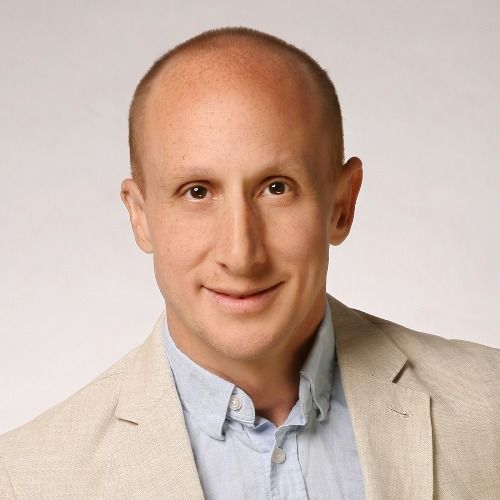
Keith Mitnik – What Package Are You Delivering to Jurors?
“How many of you care if the Amazon guy that delivers your package struts up like a pretty peacock?” asks Keith Mitnik. “All you care about is what's inside the package.” Pretend you’re the Amazon guy, and jurors are expecting the package. Keith, the author of “Don’t Eat the Bruises,” the definitive book on jury selection, tells you how to deliver in this episode. Visiting with hosts Harry Plotkin and Dan Kramer, Keith reveals his voir dire techniques — some “hot off the presses.” Tune in for his "evidence plus reality" framework to reframe bias, his "dignity of damages" concept to ground large verdicts in full recognition of what was taken, and his “breaking the scales” theory to combat bias against large verdicts.
Get your ticket to Art of Outsmarting Live:
events.themorganconnection.com/theartofoutsmartingorlando2026/plotkinpod.
Use the codeword “Plotkin” for a 20% discount
Learn More and Connect
☑️ Keith Mitnik | LinkedIn | Website | Podcast | Products
☑️ Morgan & Morgan on Twitter, Facebook, LinkedIn, Instagram, and YouTube
☑️ Harry Plotkin | LinkedIn | Facebook | Instagram
☑️ Dan Kramer | LinkedIn
☑️ Kramer Trial Lawyers on LinkedIn | Facebook | YouTube | Instagram
☑️ Subscribe: Apple Podcasts | Spotify | YouTube
Produced and Powered by LawPods
Episode sponsored by Advocate Capital, Inc.
Transcript
Ready to take your verdict and jury selection to the next level? Jury consultant Harry Plotkin and trial lawyer Dan Kramer are your ticket to tipping the scales before trial begins. You're not just picking a jury, you're picking justice, produced and powered by LawPods.
Dan Kramer (:All right. Welcome back to another episode of Picking Justice and Harry, we have a big one today, dude. We've had some big names, but this may take the cake. Very excited. I know our listeners have been asking when we're going to have this fantastic trial lawyer on, and we finally do. The great Keith Mitnik, who has taught us all so much. I know I've been a student of his since his first book came out, listened to every single webinar, presentation. I think I did one with you one time with TLU maybe.
Keith Mitnik (:I think you did.
Dan Kramer (:Yeah, yeah. So here we are. Here we are. Anyway, it's great to have you, Keith. Welcome to Picking Justice, where we really do break down. We've talked about you a lot, I feel like, with past guests. So here we are. We got you. Harry, how's it going, man? I know you facilitated this, so we're excited.
Harry Plotkin (:Yeah, I'm excited to have Keith on. I mean, Keith is, apart from someone who's like a jury consultant who gets to just focus only on thinking about jurors and jury selection. I mean, Keith thinks about jury selection and ideas for voir dire more than probably even any jury consultant. I mean, so if we did this a week from now, Keith would probably have a bunch of new ideas. So I'm super excited to have him on. Nobody thinks more about how to get better at jury selection than Keith. And his book is really the only one that I recommend when people ask me, "What's a good book on jury selection?" I go, "Really, it's just Keith's book is the best one. It's the first one you should read and it's the one you should keep studying before every trial."
Keith Mitnik (:Well, I appreciate that, both y'all.
Dan Kramer (:So let's jump in. So before we launch, Keith, you said you had some new, fresh ideas breaking here on Picking Justice. Let's hear these hot off the presses.
Keith Mitnik (:And I mean, really hot off the presses. I always say I'm a thinker and I would hate to think I figured it all out because then it'd be boring. And every time I think I got it, I think of something else. And I either think what I had before wasn't all that good after all or it could have been a hell of a lot better. And that's what makes it fun. This is a never ending process. I always say that it's about the package you deliver it in, not how you look, how you sound. It's the content. It's like if Amazon ... How many of you care if the Amazon guy that delivers your package struts up like a pretty peacock? All you care about is what's inside the package. And so it's all about what are you delivering? And are you delivering something that makes sense to a jury?
(:Are you delivering something that is unassailable? And jury selection, even though it's not a part of persuading jurors that you're right, it's still persuasion. It's persuading jurors to get past that knee-jerk reaction that I'm a fair person and I'll be fine even though I don't like your case if you've got a good case, which is not an unfair reaction. It's a natural reaction of fair people. It's just wrong. And fair people will understand it if you can talk to them in terms that make sense to them. The problem is you got to do it lightning quick because no judge is going to let you go 20 minutes teaching them. And besides they're going to want to kill you, the jurors, if you go 20 minutes teaching them. So I'm always trying to figure out how can I get to the root of teaching them why they're not the right person for this jury, even though they're great people and fair people and doing it so fast to make your heads bent.
(:It's a challenge. And I've got some stuff that really works, but I'm always trying to add. So I want to talk about some of the ad-line and I'm going to break it into two topics. We'll start with an overarching and then get tunneled down a little further. The second one we will get to is what I personally think is probably the single most important bias question you can zero in on. And that's bias against money damages, especially if you're talking about seven figures. A lot of people just are very uncomfortable with it. And I'll tell you while it's going to be topic number two, I want to add a little bit to why. One thing that I just did in this last, I just had a case in San Antonio and we had a very good resolution. I won't talk about it because it's confidential, but as the jury was coming in, but that case was a real brain teaser with some issues.
(:And I was talking to some of my team we were trying the case with are fabulous lawyers and I was saying, figuring out why is usually the pathway to figure out what to do about it. If you can figure out why so- and-so's really not a problem that seems to be a problem, then it's easy to package the answer up to make it not a problem in a way jurors will understand and agree because if you don't and they have a why hanging out there, it leaves it very ambiguous. But if you can get to the why of the problem and then show it's not one from the place of why, it's going to smell and feel like the truth, even so someone may not fully know and it's coming from you as a build-in agenda, it still carries weight because it's common sense because the why makes sense.
(:So let me give you the why on why I believe the bias against larger verdicts or pain and suffering in general is such a gigantic problem for us and not a problem. Challenge. I hate saying problem. Problem sounds like some bad. Challenge just sounds like something to overcome. So why it's such a gigantic challenge. And it's this. We have different categories. The first category on the verdict form is the economic stuff, lost wages, medical bills. And let's say the juror says, "We just gave you everything you asked for damn near everything you asked for to take care of all their needs, anything they lost financially and everything they're going to need in the future financially." Done. And now we got this other category. What's that category for? Why are we giving you money for that category? It's not to take care of you. You have been taken care of in full if we gave you everything you asked for.
(:Why do you need all this extra money? And okay, I understand in fairness, you ought to get something for your suffering, but why do you need that much? Why is 10 million not enough? Why has it got to be 50? Why is 500,000 not enough? Why's it got to be a million? Why is a hundred not enough? Why's it got to be 500? You can go anywhere. Why does it have to be this number? Why is it the other number that's a lot less enough since it's not about needs? And I've spent a lot of time thinking about it. That is why that bias is so dangerous for us. And it's coupled with a lot of people just are uncomfortable with the idea of signing off on a lot of money. They want to tell friends, coworkers, loved ones, they agreed to that. They're going to be castigated.
(:They're going to be told what idiots they were. So you've got that personal tug against it, either from the person or from people around that person. And I don't have a good why as to why you ought to do it, other than I'm asking you to. And I can rationalize it with a formula, but still, why? Why should you go with that formula when you're going to get pushback from loved ones? And so I'm going to give you the why to it, and then we'll go back. This is less jury selection and more just fundamental stuff I tell the jury. I'll give you what I call the dignity of damages. It's putting damages up on a pedestal where it belongs, not down in the dirt as some ambulance chasing money grab. And it's a pretty simple little thing I tell them before I do my damage models.
(:And I try to work some of it in if I have a judge that will permit it and I have time in jury selection and opening, but it really fits closing. And that is, in America, we don't believe in eye for eye justice. That's barbaric. But likewise, we don't believe in turning a blind eye to justice because that's no justice at all. So what do we believe in? We believe in bringing people in from the community to sit in judgment and use their collective wisdom to determine what is a fair and reasonable amount for what was taken. But please pay attention to that phrase, what was taken. It's not about how much they're going to get. It's about how much was taken, what's a fair value for what was lost. The end result is going to be a net loss to my client because they'd rather have their health back and they can't do that.
(:But since they can't do it, what are we going to do in lieu of that? We're going to have full recognition, not partial, full recognition of the value of what was taken. And if what was taken wasn't a whole lot, then the amount you put on a scale that is supposed to recognize the full value of what was lost on the other side, the amount of money, here are the losses, here's the amount of money. If it wasn't a lot loss, it shouldn't be a lot of money. If it was more, it should be more. If it was a whole lot, it ought to be a whole lot. If it was enormous, it ought to be enormous. It's an equivalency test. It's that simple. But the quickest way to break that scale is to have large verdict bias on it. It's dead weight. It breaks the law and it breaks the scale.
(:So it's not about how much they're going to get, it's about how much was taken. But on top of that, while the eye for eye justice is a thing of the past because it is barbaric, people tend to think that that's about punishment. It never was about punishment. If you look it up, it was not about punishment. It was about recognition, full recognition. Why? Because there is a redemptive power to full recognition and there's no better way to have that redemptive power at its fullest than to have full recognition in a public forum. And that's what eye to eye justice was. You take someone's eye, there's no doubt the value of what was taken or lost. And while we don't do it that way, that concept is alive and well here today in this courtroom, but it can only be go from a concept of reality with people like you who can eliminate from it that large biased verdict that will break the process and destroy the redemptive power of full recognition.
(:That was a little long-winded to start this thing off, but I just want to pause and tell you what's in it. There are a lot of smart people and two of them are sitting here. For everybody, I'm throwing a lot out fast. I see the nod and I know y'all are getting it and most people will, but let me just break a couple pieces out. Full, the redemptive power is a way of putting in the juror's hands power. It's jury empowerment. It's almost spiritual. It's a healing hand. It now says that's why that amount's right, not a lesser amount. Because if you're going to do redemption, you don't do redemption half-assed. Full recognition, there's a value and importance that goes all the way back to ancient times with biblical reference to eye for an eye that isn't punishment. It had to be complete. And instead of taking an eye, we take the value of what that I was worth in dollars.
(:So when you run through that, now suddenly there's the why, the if. What's the reason for this? Your number, not a lower number cents. It isn't a need question. All of that to me is an essential foundation for any of this to work. So in the equivalency test, I think is an important one. And breaking the scales is brand new. You're breaking the scales if you have the dead weight of large verdict bias in there. And I bring that around to closing and rebuttal closing. And I'm not some lawyer saying, "If anyone does it, call the deputy and they're breaking the law." That's not me. That's not my style. I know some great lawyers it is. They're heavy-handed with it, just not me. I say, because we went through that long grueling process called jury selection where you probably wanted to ring my neck. Now, you're invested in this process.
(:It's important to you to get it right. You're going to leave, but you're going to leave a legacy when you go back to your life. And your legacy's going to last forever of what you do in this courtroom. And none of us have to worry about that kind of large verdict bias coming in as dead weight and breaking the scale or breaking the law. Not with you folks. A lot were called, but only a few were chosen and you were the chosen few. And with you, none of us need to worry about it. So I hope now you're glad we went through that process together. So that's the full circle. So I said I was going to start, that was second. I've just pretty much covered that new piece that's in there. Now, let me shut up a minute. And if you got any questions, then I'm going to go back to the beginning of the voir dire.
Harry Plotkin (:Sure. Yeah. I'm curious to know. So what's the best way that you've been finding recently to then pivot and get some of those jurors for cause who just are not comfortable with? I still have the why in my head. I know you said all those things and everything, but the plaintiff doesn't need it and I don't see how it helps. And what's the best way that you still get those people?
Keith Mitnik (:Yeah, because honestly, a lot of what I just did in voir dire. I will work a little of it in, but you know, both y'all know you can't. I couldn't lay all that and I'd get killed laying that out in voir dire. And besides, I'm going to talk a bunch of bad jurors ... I mean, not bad jurors. I used to call them bad jurors because that connotates their bad people. And I realize there are a bunch of jurors that I absolutely would hate to have on my jury, but I'd look at them and go, "I like this person." And so it's not they're bad. They're just bad for this case. It's not the right case.
Harry Plotkin (:Unreceptive. That's what I call sometimes. There's unreceptive jurors. Yeah.
Keith Mitnik (:Great way to call it. They're not receptive to this case. So it all comes back to how do we identify those people and then establish a cause challenge. And we know from venue to venue, the cause challenge laws fluctuates. And there's most places too much discretion in my mind in the court. So I've designed stuff since I tried cases all over the country. Florida's got the best. We got a lot of sorry laws, but we've got some good challenge for cause law. Most states I go to that do not have as good a law to work with. So I've designed stuff to work in venues where there's great discretion with the court and nothing much you can do on appeal, and you've got to appeal to the fairness of the judge to get it in the first place, or at least make it look really bad on the record so they've got some hesitation for appellate reasons, even though they know they have such almost unbridled discretion.
(:And I like the stuff that I've come up with for other states so much. I'm doing it in Florida where I don't need to because it just feels good to me and I don't want to take a chance on some judge in Florida ignoring our good case law. All we got to do in Florida is get them to say they got to strike against and can't lay it aside, a possibility of a strike against and can't lay it aside and that's good enough. But judges ignore that even though the law is there in some time. So this new way really works. So it starts with the stories on the front end. I have a new story that is a couple years old, not brand new, but I got a brand new edition that I tried out for the first time in earnest. I dabbled with it up in Atlanta on a really good verdict we got not long ago.
(:And then this case we just did in Texas, I brought it out in full. And I still tweak it a little bit. I'm far enough along to share it and I really like it. So most of y'all that have read my stuff or heard me talk know my carry pie, barbecue sauce if you're in California, Merlot versus cab or whatever the hell you're using to make the point about a subtle bias having a-
Harry Plotkin (:Avocado toast versus a smoothie or something. Yeah.
Keith Mitnik (:That's all we are here, Keith. That's all we
Dan Kramer (:Are. Just a bunch of hippies.
Keith Mitnik (:Yeah. We all got stories, but it all started with my barbecue sauce and I've gone to pie because I just get sick of talking about barbecue sauce. So I went to pies and pies for whatever reason seems simpler to me to tell. So even when I was in Texas, I didn't bring out barbecue. Part because I was going to say I'm not crazy about the red sauce. I like the mustard. And I thought most of them would think I lost my mind. They're not a mustard based sauce place. So I went with my pie. But this is a pre-pie story that's a couple years old, but I got a new little add-on to that that I think advances it substantially, not just from the perspective of getting the cause, but heading off preempting the attempt to rehabilitate and erase the cause challenge.
Dan Kramer (:Well, sorry, when you say this is a pre, you mean in your sequencing and voir dire, you do this before you even ... Yes.
Keith Mitnik (:Okay.
Dan Kramer (:All right, let's hear it.
Keith Mitnik (:I start with it. I still do the pies, but I do the pies really quick now because it's secondary. I still think the pie has value. When I tell you in advance, and it'll make sense what I'm saying when I get through it, the story I'm telling carries a little more potent bias. And I worry that jurors are going to say, "Well, I don't feel that strong against pain and suffering or against personal injury lawsuits." And now it becomes a matter of degree and they think they're going to be fine because it's not some baked in real strong feeling. The pie is a much more subtle matter of taste. So the bar's lower in their minds to establish the cause challenge that this isn't the right case for them. So I still use it because I want the lower bar, but there's great value to the first one because what I am doing with the first one is not only teaching them, but I'm teaching them the difference between being fair and being impartial, which are different.
(:They're fair people. Everybody is impartial on something. And so this story demonstrates the power of impartiality that doesn't have anything to do with being fair. And one last thing I want to add in, this was the revelation and the thinking side of it. I want to share it before I give it to you because it'll make ... Then when you hear it, you go, oh, I see it. So one of our lawyers, not me, came up with a wonderful analogy using fair and impartial, Jason Leonard, and he's a real thinker. And he said, to me, something new he's doing with juries is fair and impartial. We always hear them. They come together as one, the judge says and we see them, everybody says them together kind of like salt and pepper. You always get salt and pepper. But if you sprinkle it on and paste it, they're totally different spices.
(:And he says, "I'm assuming everyone's here is fair. I'm going to be asking you about being impartial." And I thought that was brilliant and I've stolen it. However, I've thought about it because I've vet my own ideas like crazy and I've had other people's too because I always want to know is there a backfire to it or is there a problem with it? And I realized it feels good separating fair from impartial. One sounds uglier than the other, lower bar, but there's still an ugliness to impartial. No one wants to be the impartial, the person who's not impartial. It still sounds like a lower level of being an unfair. And I realize there's a way to sterilize all the ugliness like sucking puss out of a boil. We can cleanse it entirely and now get full value of the difference between fair and impartial by simply saying this.
(:Everyone has something they're not completely impartial on. It's a matter of what the topic is. If you tie the impartiality to a specific topic, not a personality trait, now you're home free. I don't care if it's sports, politics, children, friends, acquaintances, food, you can list it up and down. We all are impartial about some things and we're partial as hell about other topics. That's human nature. And as long as you make it about a specific topic that you're not impartial on, there's no ugliness to it. And all we're going to be doing is asking you about specific topics that matter here. There are a bunch of topics I am sure you're not impartial on, and we could care less. It's does it bump up on one of the decision making important topics of this case? Now it matters. And you can go down the hall and you will not face that topic in that case.
(:It's got nothing to do with that case and be great and have the same thing you're not impartial on. And there's somebody that'll be great here down the hall, it would be not fit. So there's a phrase that I came out of that, and that is that fairness is about fit, not character. And I love
Keith Mitnik (:That one. In this Senate, fairness is about fit for a case, not character. Everybody here's character
Keith Mitnik (:Is fair. It's whether you can be completely fair and impartial here because you may have a topic that you're not completely impartial on that happens to be a topic that could decide the outcome of that dispute could determine the outcome or influence it. And it's in the right case. You see the difference. Now when you do the salt and pepper, but you tie it to impartial on a topic, there's nothing to be ashamed of. In fact, if you didn't have topics that you had some partiality on, you would be a robot.
Harry Plotkin (:You'd be Switzerland on everything. You'd be one of those people who would say, if you want to get a little joke, I'd say something like the people who say, "I just hope the Super Bowl, I just hope they all tie." Nobody likes that person. Come on.
Dan Kramer (:Like when Rob Lowe wore the NFL hat to the Super Bowl that one year, remember he didn't want to pick a T-ball. Had as a hat that said the NFL on it. It's kind of funny. That's good. I may take that.
Harry Plotkin (:No, I mean, I love that because I think if you're trying to get people off for cause by using negative words, you're just running uphill. I always think, yeah, if you can package it into making it, it's not a character flaw. It's actually sometimes can be a good thing. The more positive you make it. I mean, sometimes you try to use a way where you say, there's another word for bias, having convictions, having really strong convictions that you're not going to abandon. Yeah, and that's a good thing. And some of you are going to have convictions.
Keith Mitnik (:Yeah, beliefs. I use beliefs all the time. I use beliefs. I always say life experience, belief or opinions, because when I get to the big money question, I drop belief in. You have a right to your beliefs. You don't surrender your beliefs because you got a jury summons. You had one responsibility, one duty. Show up and tell the truth. Show up, tell the truth. No one said you have to surrender your beliefs at the door. You have an absolute right to them. We just need to know this may not be the right case. Now people are like, "I'm going to tell you how the hell I feel. It's my belief. I'm not going to cower off my belief." And so I think it emboldens them to tell you that how they really feeling with no shame because there is no shame. So anyhow, so here's the new story and I'll go ahead and throw in short version of the pies so anyone listening can see how it all fits together.
(:So I'll start with, again, my name's Keith Mitnick and I'm going to be asking you questions about life experiences, beliefs, or opinions that you have that could potentially influence conclusions that you may reach in this case. Now you may have noticed I emphasize the word conclusions. I did that on purpose. People tend to think trial is one big fight over the facts. No one can agree on what the facts are. It's a big he said, she said. The truth is while there are usually some facts that are in dispute, most of the time the vast majority of the facts are completely agreed to. The dispute is not over the facts, it's over conclusions from the facts. On one side, here's a set of facts. Everyone agrees to. And on the other side, one side says, "This is the right conclusion." And the other side is, "No, no, no.
(:This is the right conclusion." And it's in this space between the fact and the disputed conclusions where life experiences, beliefs, and opinions can have a significant, although unintentional impact on which conclusion you reach. We've all heard the saying facts are the facts, but those of us that work in courtrooms like this say not so fast. The facts are the beginning of the process, not the end. Let me give you a quick example because I think it's respectful to you to give example so you understand why we're asking the questions we're asking. If there was a criminal case, which this is not, this is a civil case, but if there was a hypothetical criminal case and the prosecutor knew in order to gain a conviction on a very serious crime, he would have to have the jurors believe his star witness. And his star witness happened to be a police officer.
(:You could have two jurors sitting shoulder to shoulder on that jury. Listen to that police officer testify, same exact evidence, taking it at the exact same time from the exact same witness stand. And let's say the police officer told something a little different on the stand than he'd said in an earlier statement. And one of those people tended not to believe police officers. The other person sitting next to him tended to believe police officers more than other people. The one who tends not to believe police officers, here's that little difference in the story he told and says, "Aha, you can't keep your story straight. I don't believe you. Not guilty." And the one sitting next to him who tends to believe police officers more than others says, "Ah, that's not fair. That was an innocent slip of memory. I do believe in guilty." Exact evidence, opposite conclusions, two people who are honest as could be and trying their level best to get it right and they reach opposite conclusions.
Keith Mitnik (:I call that the evidence plus reality. Why? Nobody, those
Keith Mitnik (:Two jurors are not going to cover their eyes and refuse to see the evidence. They are not going to stick their fingers in their ears and refuse to hear the evidence. They are going to base their decision on the evidence and the law they get. Judge, they're not going to thumb their nose at the law, but it's not going to just be solely the evidence and the law. It's going to be the evidence and the law plus that bit of bias being in the mix. Two, not an ugly bias, not a hateful bias, human nature bias. It's going to be in the mix. Why? Because depending on the topic that you're talking about, everybody's got something they're not impartial on, whether it's politics, your own kids, friends, foods. We can go down a whole list of topics, sports. Everybody's got topics in which they already have feelings or beliefs on, and that means they're not impartial going into it.
(:It doesn't mean they refuse to listen. It means you're not starting impartial and there's a difference between fair and impartial. We hear them together in a courtroom like salt and pepper, but they're different spices. Taste one and the other, you go, "Ooh, those are completely different." Even you always hear salt and pepper. You always hear fair and impartial. I'm going to assume all of y'all are fair. I'm going to be talking about impartial, but not impartial as a human being. We're going to be talking about impartial on a particular topic that I'm going to be asking you about. And honestly, there are a million topics you probably are not impartial and it won't matter. You're great for the jury. It's just a handful that have to do with could alter the outcome of the case like the police officer. So I call it the evidence plus reality because I got to know whether there's a topic you come to like that, that you're not completely impartial on.
(:Does everybody get what I'm getting at? And I'm telling you, they nod. They're fascinated by it. I've had a judge tell me it's the best explanation of the impact of bias you've ever heard. Now, when I'm done with that, just to bring it full circle, I say, I'm going to give you one more very quick analogy because now I save this one for the judge so I don't get interrupted and to buy a little patience out of the jury because I find it well, not only is it respectful to tell you why, it makes this process go a lot quicker. So this is only going to take a minute. Let me lay this out and I promise it'll save time in the long run. If we were having a competition who say had the best pies, and it was down to two pies, one apple and one cherry.
(:And I was randomly picked out of the audience to be the judge. And it just so happens I'm not crazy about cherry pie. Does everyone agree the only right thing for me to do would be to reveal that to the contestants and let them decide what to do with it. Especially the guy with a cherry pie would probably want to know before I ever bite into it, I'm not crazy about his pie. I said, "Does everybody agree in addition to revealing that my taste, if asked, might it impact me, I should be honest with myself and not sugarcoat the potential impact it might have on me in spite of my best effort to lay it aside." Not that I'm going to take some wonderful succulent pie, happens to be filled with cherry and a dried up sorry pie with apple. I'm not going to throw it over the filling, but the closer it gets, the harder is for me to take it out of the mix because when I bite into the cherry, my lip curls a little, I can't help it.
(:I'm just wired that way. Does everyone agree, in addition to revealing it, if asked about the impact, I should be honest with myself, not sugarcoat the potential impact. They'll all say yes. I said, "Because honestly, I can be down the hall judging the ice cream. I pretty much like all the ice cream. I got no problem there." But here, that's a particular topic I'm not impartial on. So would anybody, if I said, "I cannot make an assurance that I could be completely fair and impartial, that I could base my decision solely on the evidence of law because it's probably going to be the evidence and the law plus a bit of that bias in the mix." It's the evidence plus reality. If I said that, would any of you think that made me weak-minded or unfair or would you respect the self-awareness I had? Self-awareness is a zinger.
(:Yes. Okay. Well, this case got nothing to do with anything as lighthearted as pies and ice cream and all that stuff. This is a very serious matter, but I do have some specific topics that I want to ask you whether you're completely impartial on. Then I go into it. That little add-in of the ... Number one, a couple years ago, I came up with the prosecutor one, but the little bit of the add-in of the salt and the pepper, the little bit of the not impersonal on a specific topic, because the strength of it is, and then I'm a husherman and we can have more dialogue. I get to the end and I circle back to it right before I sit down. And I say, before I sit down, and as I go, when I get cause, I am now got them saying, "You cannot assure the court your decision will be Based solely on the evidence of law because it would be the evidence in the law plus that bit of bias being in the mix.
(:Two, because you cannot say in all honesty, in this honor system, that you're completely impartial on that particular topic. Others, yes, on that one. And then at the end, I circle back and say, remember we talked about it and all of y'all said, and I read their names off. I said, if you're asked, are you a fair person? I bet y'all say yes. If you're asked, are you going to listen to the evidence and base your decision on the evidence? I bet your answer's yes. I'm not going to put my fingers in the mirror or cover my eyes. But if you're asked, will you base your decision on the evidence and the law and be fair in this case? Would your answer be absolutely? However, it will not be the evidence in the law. Only it will be the evidence in the law. Plus those feelings being in the mix too, because honestly, I am impartial person.
(:I am not completely impartial because that topic and only that topic or these three topic. Would that be your answer? So if I ask or anyone else ask you, would you say yes, but ... And then add in the evidence plus reality part. Otherwise, and I'll tell you why. If you don't, this is a formal setting where it's all being taken down as a record. And if you don't, you're liable to leave a miss unintentionally. If you don't complete it, a misleading answer that could have consequences. And I'm asking you to set the record straight if it's your truth. I stole your truth from Raleigh. If it's your truth. And it's hard to ... Now, they will still get some, but it's hard as hell when they go to arguing them to overcome the records you made. And they get a lot less for cause, a lot less rehab, because it's a trick question to say, "Will you be fair?" I mean, who's going to say, "Hell no." That's that.
Dan Kramer (:No, that's great. I think it's really important that we explain fair and impartial, and it's not just what the word means. Judges love coming back and saying, "Well, you can be fair, you can be fair." One of the way I like to do it similarly is just fair and impartial just means 100% neutral on this topic. And then using the word neutrality, because if you're 90% neutral, that means you're leaning in one way 10%. And then I tell them that you have to commit to being 100% neutral. You can't just say you'll try to be 100% neutral. It has to be a commitment. So I try to get ahead of the I tries, I tries because I think we get that all the time. And I think the hard thing for attorneys is how do you deal with that? I'll try. I'll try my best to be impartial.
(:I'll try my best not to be partial.
Keith Mitnik (:We've all used it. I did not come up with it, but it's a great jurors always laughing. I love it. I wished I'd have come up with it. I'm jealous whoever did. If you got on a plane you're going to fly from LA to Orlando and the pilots and you said, "Can you land?" And the pilot said, "I think so, or I'll try to. Would you get off the plane?" And everybody laughs. It makes the point. I said, "We're going to be landing in a plane with very, very important cargo. It's called full justice."
Dan Kramer (:I like to get ahead of it before they even say that I try. I've started doing that lately.
Keith Mitnik (:That was good. That's good. I bet you still are getting I try. It's the damnedest thing. I don't care what I come up with a headed off. Nothing seems to completely work.
Harry Plotkin (:And there's always something behind it. It's always like, I'll try my bet. And you're always, there's something behind it. You can't just leave it at that and say, "Well, that's all we can ask you to do and move on because you just left somebody who's clearly got big concerns and baggage and everything."
Keith Mitnik (:Yeah. One good way to say is it's clear to me because you're taking this honor system seriously, you're struggling a little bit with your answer where you said that not just what you said, but the delay, you're really working it in your head. I appreciate it. Tell me what's behind that. What's going on there? And usually that gets you some more cement to put the blocks down for cause.
Harry Plotkin (:I also like to flip it instead of saying, "Hey, it wouldn't be right for you. " It wouldn't be fair for you to be on this jury, but I like to flip it and say, "Hey, it wouldn't be fair, wouldn't be right for us to try to force a juror to enforce a law they don't agree with or make a decision based on something that is at odds with everything that you believe in. " That wouldn't be right for us to put you in that spot. And then they go, "Oh, I appreciate that. Yeah, it would be tough." And then it takes that pressure off them to say something like, "I can't be fair." They're not the problem.
Keith Mitnik (:You just nailed. You're ahead of me. One of my new things in me, it is new. I don't have it down in my sleep like the pies and stuff that is part of the new one is just that. And you've obviously been on it before I was, which is I add in when I do the prosecutor story at the tail end of it, I say, "How many of you think that the lawyers should have asked those two jurors about whether they were completely impartial on that specific topic in fairness to them? How many of you think it was unfair to put them in that position? They're both trying to get it right. That's the way they're wired. And we're asking them to put it aside and no one even brought it up during jury selection. Do you think the lawyers, had they done their job right, would've asked?
(:They all say yes. And not just for their client's sake. For those jurors' sake, it was unfair to them. They're trying to be fair. It's the way they're wired. They shouldn't have been put in that position. How many of you feel that way?
Dan Kramer (:I like that a lot.
Keith Mitnik (:Yeah, that's good. I forgot that because I'm winging it over here. I don't want my notes on it, but-
Harry Plotkin (:You have too many good ideas and it's hard to do all of them, right? I mean, to me, the most important thing that you're doing that you're teaching Keith for, and I've taught for a lot of years is lawyers cannot ... You have to frame what bias is and isn't for jurors because on their own, you're not going to do well on jury selection because they come in, they don't know what it is.
Keith Mitnik (:They think of racial bias, gender bias. They think of something ugly at which they're immediately, even if they are going to defend their term and say, I'm not.
Harry Plotkin (:Yeah. But you have to frame it and explain it to them at the very beginning or else you'll start getting bad jurors telling you they go, "No, I'm perfect for this case." And unreceptive jurors and receptive jurors who probably could be fair saying, "I don't think I can't be fair in this case because I have strong feelings about kids and this is a sexual abuse case." And you're going, "Well, who doesn't?" I mean, that's not a bias. So you have to frame it for that. Yeah, of course. Yeah, I know. Because on their own device, if you let them leave it to their own devices or sometimes even a judge's devices, these jurors, you're not going to wind up with a fair jury at all. You got to tell them what bias is.
Keith Mitnik (:You just hit on one of my things I'm always trying to teach our own lawyers, which is including the skilled experienced ones. We all fall in the trap. I fall in the damn trap, but I catch myself probably quicker than a lot of folks. And that is, it's so easy to see it through our eyes with our knowledge base and others don't, the jurors don't know about bias. And that applies to all kind of things in a case. They'll say, here's an example, happens all the time. And you said in your deposition, and they don't have a damn clue what a deposition is. You're impeaching someone and you said, "You said so- and-so in your deposition and you think you just killed them." And the other side thinks she killed them and the judge thinks she killed them and the deputy thinks you killed them.
(:The juror's saying, "What was that depo thing? Were they at a train station?"
Dan Kramer (:Or it's a form interrogatory. They have no idea what an interrogatory is.
Keith Mitnik (:I mean, when I go to impeach them the first time, I say, "I'm going to ask you what you said in your deposition, but let's first get what it is. " The deposition's a fancy word for both sides, if they want to hear what an other side's witnesses say, can set them down to do a question and answer. You understand it? Yeah. And it's a formal question answer. Yes. And it's taken down by a court reporter just like this. Yes. And both sides are present. Yes. Both sides get to ask questions. Yes. It's all under oath, just like here. Yeah. It's put in a booklet form, looks like this with every single exact question taken down by the court and the exact answer, not a single word different, and it's typed up. And then the witness gets a chance to read it to see if they say there's anything they disagree with, right?
(:Yeah. And nobody sneaks up on you, right? It's not like they grabbed you in the hall and with a court reporter and all of a sudden started grilling you. It's set in advance so you have time to prepare and think and meet with your lawyer and look at documents, do whatever you want. And you have a pretty good idea what we're going to ask, right? Yeah, it's no big surprise. Yeah. So whatever you say there, we ought to be able to take his gospel, right? Yes. Now, that's what a deposition is. You just told this jury so- and-so. You remember in your deposition, given the following question was asked, and here's what you said under oath at that time. Boom. Now the jury goes, "You lie and son of a bitch." Not what's a deep depot. And that's an example, bias. We all know what it means.
(:Jurors don't and they're going to have an ugly connotation to it. It's not they're ignorant. They're in a different job. If we ask them about their job, they'd say stuff we didn't know what the hell they were talking about. We cannot assume people understand. You better be thinking, are they going to get it? I just had a lawyer ask me in a case not long ago. We got a big, bigger verdict, but ask for more. And I was happy. And the other lawyer said, "How in the world could they have done that? " I said, "What are you talking about? " They should have given us exactly what we asked for. I said, "You think because your analytics tell you what it ought to be, your focus group tells you what it ought to be. " You believe that's what it ought to be compared to other cases because you got a caseload and have had one for 25 years that they have that same context.
(:They think that they just set the moon. They want to run and hug them and they figure you were probably asking for more than you really meant. Anyhow, you're happy. I said, "That's how it happens." I said, "Well, how could you be baffled at that good verdict?" Yes, should it have been more? I met every penny I asked for. I wasn't over region to get half. I wanted it all. I thought it justified it all. But to ask me, how could they possibly have done it? I looked at them like, "You're looking at it through your lens. How about look at it through their lens since they're the damn ones deciding?"
Dan Kramer (:Thatened last year, five trials ago. I asked for the moon and the jury came back. It was a good verdict, but the jurors came up to ... I was disappointed personally, but the jurors came up to me and they're like, "Is that a record for San Diego?" They thought they were giving us a record setting verdict. I was like, "Motherfucker, no, it's not. " But they thought, I mean, in my head, I was trying maybe a little different case than I actually had. Maybe I thought it was worth more. But it is funny. The jurors down there, they're more conservative, but yeah. Well, before we do, let's take a quick little sponsor break. Obviously, want to thank LawPods for making this possible, getting great lawyers like Keith Mitnik out here to help us learn. And we've heard from so many of our listeners nationwide. I love that you guys send us letters and saying that you got this verdict and whatnot.
(:It's really great to hear. So please keep doing that. And I really want to thank one of our fabulous new sponsors, Advocate Capital, Inc. It is a premier provider of strategic financial products for successful trial law firms. Advocate is passionate about helping plaintiff attorneys get better results for their clients, mainly run through their AdvoTrack case expense funding service. AvoTrak is a proprietary software platform that allows law firms to track their case expenses case by case so they can recover the borrowing costs, which makes the net cost of borrowing zero on the cases they win. Since 1999, Advocate Capital has served the plaintiff bar and enjoys a client base that extends nationwide. For more information, visit www.advocatecapital.com or call them at 1-877-894-9724. I just want to say personally, I've used Advocate Capital for about 10 years exclusively. They are incredible to work with, great customer service.
(:And to me, it helps us level the playing field when you need funding to get experts to really work up the case. It's totally worth it. It's a great investment and they're super easy to work with. And this Avo Track does work really well. My bookkeeper loves it. I love it. You can really track stuff easily and it's just great. It's a great product, frankly. I mean, I wouldn't pitch anything on here that I don't personally trust. And these guys are great people. They're out of Tennessee, I believe. So thank you for Avid Capital for sponsoring. Please reach out to them. Reach out to me and I can give you some more background because, like I said, I personally have used them for a decade. So thank you, Advocate Capital.
Harry Plotkin (:Awesome. Yeah. Unlike any advocate or any of these companies, the most expensive thing for trial lawyers when you're thinking about expenses is losing the case. So if it's something that can help you afford to do a better job trying your case, do it.
Dan Kramer (:Absolutely. All right. Let's get back to it, Keith. I really want to hear about, I don't know if you're about to go there, go wherever you want, but you're going to talk about how you're kind of asking for large pain and suffering. I think you're going to kind of go there.
Keith Mitnik (:Yeah, it is large. It could be maybe 500,000. Typically, I'm going to use as an example, a million dollars or more. If it's tens of millions, if it's even bigger, you say over a hundred million. Now, I do not. Personally, this is a pure preference, not a right or wrong. I don't give them a hard number in voir dire. And I'll tell you why. Brian Panish, who's one of the greatest ... I tell Brian, we talk about who's the best lawyer in America. Brian Panish will go down as one of the greatest lawyers of all time. He's a dear friend of mine, and he's a fantastic trial lawyer, and he gets fantastic verdicts. And Ian and I have had this discussion. I'm going to share it openly with the viewers because I think it's worth hearing two views. He says he always gives them the number in voir dire and opening.
(:He never quits giving it. Because I believe in it, I'm not going to fudge from it. I don't want one cent less in it. I'm not going to be bashful about it, and I'm going to be perfectly crystal clear about it. And when I hear him, it makes sense. He has not been able to persuade me personally, but it's persuasive. Here's my counter. I say, number one, I don't want to lay it out as a dollars down to the penny until I can lay out my damage model that justifies and validates the reasonableness how I got there. And I cannot do that in voir dire. I cannot do that in opening. And I don't want to say it before I validate it, but I don't want to say a large verdict because they may think a hundred, and I'm going to be talking about 50 million.
(:So I need to get them in the vicinity so there's no confusion. And people talk about anchoring. I honestly don't do it for anchoring. I understand the concept. I understand the wisdom of the concept. If you ask for less, the jury's going to think you really want less, and so you're going to get even more less. It's not about asking for more than you want. That's dishonest anchoring. That's repulsive to me. But asking for less than you want, because you're scared they're going to be offended is going to result maybe in even less. So if my definition anchor is saying what you really mean and not being bashful, but that's not why I do it. I do it because in fairness to that jury and my client, if I don't identify, we're talking about millions of dollars, then they're liable to say I'm okay with larger verdicts and not understand.
(:They might say not a million. And so I have to identify it. But I want to leave it more vague, not to be sneaky, not because I'm ashamed of it, not because I'm scared of it. If I say we're going to be talking about over a hundred million or tens of millions or over a million, trust me, the jurors are going, "If you're scared, you don't say it. " The precision is what I'm avoiding because I think the value of the precision is showing how I got there. And without it, it sounds like I picked a big number and when I come along later and say, "Here's how I got there," they go, "Oh, you already made up your mind."
Dan Kramer (:Yeah, you haven't earned the credibility yet necessarily either.
Keith Mitnik (:I don't think I'm in a position. And I tell them. The other reason is, guess what? Things can go different than you expected. What if I was going to do a multiple of economics and something got gutted out of the life care plan? And I don't want to use a multiple of economics. Now I'm going to go to a per diem or something else. I don't want to be all stuck to something because trials are dynamic. I want to be able to make adjustments. Sometimes I go up, sometimes down. Sometimes the client did poorly. Sometime a client you have said in every depo and every time you talk to them, they live in pain all the time, every waking moment and it affects their sleep and they get on the stand and say, "Yeah, about every other day it bothers me. " Well, that's a different damage model.
(:So I want flexibility to see how the evidence actually plays, not how I anticipate it. And I want to be able to have the credibility of laying it out, but I need to know, they need to know we're talking about someone in this range. So I will say to the jury, we're going to be talking about millions of dollars. And then I'll say, when the time is right, and I tell them in opening, I told you in jury selection, we're going to be talking about more than a hundred million dollars. I will, out of respect for you, I'm going to wait to give you precisely the amount and how we came up with it, because I promise you we did not pull it out of the air, wouldn't do that. I'm not allowed to do that all now, and it would be premature before you heard the evidence.
(:So out of respect for you, we're going to wait to get down to the actual how we came up with it and what the exact amount we're going to be asking for in closing order. I promise you it's coming, but out of respect for you, we're going to wait. This is not, in my opinion, the right time to do it. And jurors nod when you do that, but they know there's no secret. I've told them. So those are the two models. So you're doing that in opening statement or mini opening or just- Yeah, I do that in opening. I do it in both. To some degree, if I do it all in voir dire, I may be short. If I don't get it all in voir dire, I add to it. I get between opening and voir dire all of
Dan Kramer (:What I just set out. So if you are going to ask for 50 million, you're saying many millions of dollars, tens of millions. If I'm asking
Keith Mitnik (:And probably be asking for, let's say five, six, under 10, I will say millions. If I'm going to ask for, let's say 10, 20, somewhere in there, 30, 40, I'll say tens of million, probably includes 50. 50 starts getting to where if I'm asking for more than 50, I may say more than 50. I definitely don't want to say tens of millions if I'm going to be saying more than a hundred million. So I kind of gauge where you ... But clearly under 50- What about between 10 and 20? Because that is tens of million.
Dan Kramer (:Okay.
Keith Mitnik (:Or if you're between, I might say more than 10 million. If I'm not ... Tens of millions may not fit 10 to 20 because it starts sounding like even more. So I might say more than 10 million. If I felt I'm not going over 20, I'm going to be somewhere between 10 and 20, I'd probably say more than 10.
Harry Plotkin (:I appreciate this because we get asked this question. I get asked this question so often that this is one of the biggest debates on trial lawyers. Do I give a number or do I not give a number? And I always say, I don't like giving a number in voir dire or opening, but until I heard you explain that, I couldn't really put my finger on why and explain it. And I'm going to use that every time it comes up now, because I think that is what it is for me.
Keith Mitnik (:Good, good. And listen, like I said, Brian would say, "I've lost my mind and I'm being a coward." And I say, there's not only a cowardly bone in my buddy about asking Brian. Results speak for themselves. So I told Brian, we're going to just have to disagree, but I respect he could be ... I can tell you what, for sure positive, it's right for him. My personality is different than his.
Harry Plotkin (:What he may not maybe understand is that he's overcoming a little bit of a credibility hole that he's digging for himself by saying it. I know there's some benefits to anchoring, and I'm sure Brian, by the end of trial, Brian's built back that credibility and more.
Keith Mitnik (:Pure credibility. Hell, that big booming voice gives him credibility.
Harry Plotkin (:That's like Tom Brady just saying, "Here, you can have a free touchdown at the beginning. It's not smart to do it, but he's still going to win the game." I think for me, one thing that I've seen jurors do in the last 20 plus years and focus groups and everything is when you tell them something that you know to be true because you've been dealing with this case and taking the depos and you know everything about this case, they don't understand that. You tell them something that you haven't shown them and they go, "Why is he telling me what to think? " And putting a damage number out there, even though logically the jurors could say, "Well, Mr. Midnick knows it. All the evidence is going to come and he knows it. " They don't understand that. They sort of think, how's he saying? Yeah, he plucked that number out of the air.
(:That's based on nothing, even though they don't realize he knows the case. So I agree with you. I think that's the biggest reason not to give a number is because they do feel like it's plucked out of the air and it seems arbitrary, even though it's not.
Keith Mitnik (:That's my gut. That's my personality. But like I said, I always like that when someone asks me, they give panishes to you because I have such a extreme respect for he's a dear friend, but I also, if I didn't know him from Adam would respect the shit out of what he's accomplished. So it always carries weight with me. When he says something different than I do, I always listen hard and think hard. And sometimes I've changed some stuff over things he said. This is just one in my heart of hearts. I started second guessing myself and I came to peace. I can't get myself there and that tells you to do what's right for you. So anyhow, let me give
Keith Mitnik (:Y'all the ... Here's how I do the big verdict bias question. And I may add this in. This is so new. I'm going to tell you what I do
Keith Mitnik (:And I'm going to add a little ... I talked about the very beginning of the equivalency test. I have used it once by adding that scales piece into voir dire. I've got to think through ... It felt good, but I got to think through because it could also end up heading off some legitimate bias by overselling the position. And I'm not sure whether I want it in or not. So I don't mind sharing it, but with a giant asterisk, don't take it as something Mitnick says he's doing. I may six months from now say, "Please do not do it. " But I'll tell
Keith Mitnik (:You the part I definitely do anyhow. And that is, it's usually the second ... By the way, if you're limited for time, I can lump
Keith Mitnik (:Feelings against personal injury lawsuits and feelings against pain and suffering damages or whatever it's called and where intangibles, non-economics, whatever it's called in a given place. I call them human damages and explain what I mean by that. I like to go start with feelings against personal injury lawsuits, feelings against the human damages, and then feelings against human damages where you're talking about over a million dollars. That's my one, two, three. If I'm in a time crunch, I'll gladly lump together the first two, but I don't want to lump in the big number one. If I'm in a giant time crunch, I will put them all together. The reason I like to break them out is for whatever reason, they're people I get for bias on some and not the other who are legitimately biased, and I want more bites at the apple. Another reason is the cumulative effect.
(:The more cause challenges you get on different topics, the more likely the judge is going to grant it. So I'd rather do them separately, but I find the difference between feelings against personal injury suits and feelings against human damages is so close, I'm okay lumping those two. But there are people who are fine ... Here's what they want to say is, "I'm fine giving you money for pain and suffering, just not a million dollars." So I like separating it so I've kind of taken, you don't have a general bias, but now we've gotten to now where the rubber hits the road bias. So I'm going to skip to the third of the big three. Next, I want to be, I say, because of the nature of this case, we're going to be talking about millions of dollars, more than 10 million, tens of millions, more than 50, more than a hundred million, whatever it is.
(:I'm just going to use millions of dollars or over a million dollars. If it's like between one and three, I may just say over a million, but we're going to be talking about millions of dollars for pain and suffering for the human damage, not the economic. Let me back up. First, I explained the difference between what we call economic damages, bills and lost wages, those kind of things that you can take a calculator and add them up. That's over here. Most people don't have a problem with that. I'm going to be talking to you about what I call human damage, the impact on the quality and enjoyment of life, living in pain, affecting their quality, enjoyment of life, those kind of things. I call them human damage. You probably have heard them as pain and suffering damages. There's more to it than just pain and suffering, but I'm okay calling that for purposes of this question.
(:So I'm going to be talking about that part, not these medical bills or lost wages questions. Everybody understand? Yes. On this side of it, some people feel when you're okay with the concept, but if you're talking about millions of dollars, now you've crossed into the territory they don't believe in. They don't want to be associated with it. They don't want to go home and tell their friends, loved ones, coworkers, neighbors, they signed off on a verdict of that magnitude, even if the evidence is there, you just
Keith Mitnik (:Don't believe in it. Everybody understand what I'm asking you? So I need to ask you, but before I
Keith Mitnik (:Ask you whether you have a bias against large verdicts like that, and I tell a judge when they were, "Judge, he's going to be saying millions of dollars and trying anchored in doctor." I said, "Judge, I will make a commitment. I will say it one time." And after that, I'll say large or I will say of that magnitude or some other adjective, I will not repeat it. I said, "I am not doing it to hammer it in. I actually think said millions of millions of dollars, millions and million dollars." Maybe it looks to the jury like I'm trying to convince them to bury it in the brain somehow, but I can't skip it because if I say a large verdict, they don't know what I mean. It could be 10,000 to them. I got in fairness to them and in fairness to my client, I got to identify what I mean, but I only need to say it once.
(:That usually gets me past any objection in advance or during it. And by the way, folks, if they say you can't be injecting millions of dollars in this case, then leave out I'm going to be talking about. Say some people don't want to be associated with verdicts for the pain and suffering of millions of dollars. Just do it generically. Don't say this case. That works just as good. I prefer, unless I've got a defense lawyer who's hypersensitive and the judge who's on me about it unreasonably, by the way, I say, "We're going to be talking about millions of dollars." Some people don't want to be associated with a verdict of that size no matter what the evidence shows. They don't want to tell their friends, coworkers, loved ones, neighbors, they sign off a verdict of that magnitude. They just don't believe in it. Before I ask you, how many of you are in that category that feel that way?
Keith Mitnik (:I want to point something out. Some decisions jurors make are thumbs up, thumbs down. Yes, no. Did they run a red light or not? Were they speeding or not? Did they have a seatbelt on or not? Did the doctor commit malpractice or not? It's a yes, no. Now, bias has influenced those decisions too for all the reasons I said,
Keith Mitnik (:But a bias on something that's weighing and assessing is in a whole nother category because I want you to think about it.
Keith Mitnik (:If we're
Keith Mitnik (:Talking about
Keith Mitnik (:An amount of money for which there is no formula whatsoever, and whatever I suggest, you are free to completely reject. You use y'all's collective wisdom to decide what's fair and reasonable, and that's the instruction. If you come to it
Keith Mitnik (:And I'm going to be requesting millions of dollars, and you've already said, "I don't want to have anything to do with the verdict of that size." I want you to just stop and
Keith Mitnik (:Think for a minute. How in the world would you take your belief out of a process on which no one's going to tell you there's a set formula? There's only one rule. You can't have bias in the mix. When you say,
Keith Mitnik (:"I'm going to use our collective wisdom," it's not collective wisdom, but I don't want anything to do with what he's suggesting. I don't believe in it. That's the only issue. Go down the hall, you be a great jury where they're not assessing such things. But when you're assessing, it's almost impossible to take it out. If you have a bias against before I even start, what I'm going to tell you at the end, I'm going to be talking about. And this is an honor system. And think about it this way. If someone were going to try and sell a house together, it was in the same neighborhood, two identical houses built by the same builder at the same time, same square footage, exact
Keith Mitnik (:Same amenities, same lot size, same number of rooms, same cabinets, except one of them is modern and one of them is Mediterranean and you don't care for modern. Is anyone going to salesperson or anyone else going to convince you to pay the same amount for the modern? Of course not, because you don't like it and it's a matter of taste. So if you already don't like this, unlike the yes, no, you say, "I'm not crazy about plaintiff's suits, personal injury suits, but my God, the defendant ran a red light. They're lying." But on this, you see how it's almost impossible to take out an ill nod. See, that's why I really need you to
Keith Mitnik (:Dig in on this one. Now, back to my question, how many are saying all honesty? I do not believe in Verdex of that size. I And I cannot tell you, I can take it entirely out of the mix. If you're telling me I've slept up to me, I'm telling you. Even if the evidence is there, I'm not going to be able to take my bias against that, my belief against that out of the mix. You're asking too much. That's not fair to me. And all you told me earlier, that summon said, show up and tell the truth, not to lay my beliefs aside. This is one of my beliefs. I stand by it. Everybody understand how many of you would say I go to number one? Yes. How many of the rest do you feel that? Get their hands. Then I go to each one and ask them.
(:Did you mean by raising your hand that when it comes to assessing these money damages of the magnitude I'm talking about, you cannot assure the court that you're impartial on that topic. You have a bias against it, you cannot assure the court you can lay aside and be in the mix in all fairness. That's your honest answer. You're going to follow the law? You're going to base it on the evidence, but that's going to be in the mix. Would that be your answer? Yes. Give me a short basis for where that's coming from, just so I have a record. Next one, next one, next one, next one, next one, next one, next one, next one. And now I just got rid of all the costs, challenges on all. Then I go to a bunch of the other ones, say, "You didn't raise your hand. Tell me what your thoughts are.
(:" Because I want to hear them, because you know what I hear? Well, I'm just a very, very fair person in my job. I have to be able to set my feelings aside and all that. I don't believe in those verdicts, but it won't affect. Well, I needed to hear that. And nine out of 10 times, I circle back and get them for cause. But if I don't, I know if you're a leader, you got to go. And the ones that say, "No, I've got no problem with them." And you look in their eye and you go, "Are you saying that because you're an insurance adjuster and you want to be on my case? Are you saying it because you mean it? " And that question tells me more than anything else I need to know.
Dan Kramer (:So what about those jurors though that they may feel like, "Hey, I can't ... 10 million just sounds really high." Because I've had that happen. Harry and I have had that happen where we have jurors who'd be like, "That just sounds really high. I just don't think I can get that high." But they end up at the end of the case being great for us. They end up wanting to award a lot of money because they have that-
Keith Mitnik (:That's why you want someone like Harry there because there's a layer-
Dan Kramer (:No, truly, I would've dinged two different cases where we got really good verdicts. I would've dinged our best jurors if Harry wasn't like-
Keith Mitnik (:Great jury concern. But he says, "I know how to pick a jury item." Nobody knows how to do this shit and pick jury pick a name better than I do. I don't want to be making those decisions. Number one, I'm locked in on people. I'm not watching this one roll their eyes over here. I can't. Number one, even if I did, I'd be later going, "Where were they sitting? I wouldn't even be able to keep track. I'm too engaged here." Number one. Number two, I've got a very good gut instinct, but I'm biased by if I think they like me, I like them. And I had a jury consultant when I was a baby and had hair down to here and full looked like a mullet. Morgan teased me how to mullet. I had a jury consultant. I said, "That guy loves me. Why are you wanting to strike him?" And the jury consultant's twice my age.
Keith Mitnik (:He goes, "Well, let me ask you this, Mitt Mick. Let's talk about secondary gain." He works at a big company that gets sued. You agree? I said, "I do. " I agree.
Keith Mitnik (:I think he likes you a lot. When he goes back there to decide, what do you think is going to matter to him more? This lawyer he met and never see again in his life he likes or making his boss happy who writes his checks and gives him raises. I said, says, "Get rid of him." I said, "Okay, secondary gain." I didn't think that way. Now I do, but there's so many I still don't know that a guy like Harry, not every jury consultant, for God's sake, I have had jury consultants were absolutely worthless. I've had more of them that were worthless than I've had that were helpful. But when you find a star like Harry, by God, I know they're expensive. If you're trying a case and you want to get the money, have not just a set of eyes, a set of wisdom that takes it to layers you're just not going to see and hope they pick that out and say, "I know they said it.
(:They're going to be okay. Take them." And then unless you really are convicted to the contrary, listen to them. That's why you got them there. And I love to have someone like there because I don't want the weight of the world hanging on me on that. And I am very good at getting cause challenges and pretty damn good at assessing what's left, but I'm not as good as Harry's going to be at it. He's just, that's all he does.
Dan Kramer (:Yeah. And I think the, and Harry, I definitely want to hear you, but I think on that money question, the one that you set up, Keith, I think almost more than any other, it's the way they are going to respond, the way they answer their tone of voice, their body language on that answer more than any other, I think matters so much more because these concepts are so foreign to them. Money, like big money for all this stuff, it's very foreign concept. So if they're hesitant, but they still say, "Yeah, that's too much money or whatever," that's very different than someone who's like, "No way, no chance."
Keith Mitnik (:I'll tell you one other thing that I've just recently started adding in because it's something a judge said, and sometimes judges give me a hard time on a cause challenge and I just want to ring their neck. And sometimes they sit and go, "God damn, he's got a point." One of them is you're talking them into it. And I've got a way, if I've got good law, I don't worry. I don't want to talk them into it. If they're actually a good juror and I can talk them into it, how did that help me? I don't want to talk them into it, but I want to talk fast and get it the hell done. So my speed sometimes catches people in the net that ought not be there. I understand that. But if I'm in a venue where a judge is going to deny it if they think I talked them into it, and I know it looks like ... I say repeatedly more than once, three, four times, I say, "And by the way, I'm going to say back to you what I'm hearing in my head.
(:I may hear it wrong or I may have just outright misunderstood you. I may have interpreted you wrong or I may have misunderstood you. If I say back to you what I think you meant to tell me, can we promise me all of you tell me. I don't want to put words in your mouth. If I'm off the mark, tell me. Is everybody ... I'm not saying it's okay. I'm saying please." And I repeat that so I can remind the judge later I did that. That's part of it. But I also, if I'm in a venue where I'm really worried, I had one in Alabama and the judge told me, I won't even tell you what city out of protecting the judge. I actually ended up loving the judge. I thought I was going to hate her, ended up loving her, but she tells me right before jury selection, "Mr.
(:Mednick, I've heard all about you in your system and I just want to tell you, I'm not going to limit you time-wise, but just so you can use your time wisely,
Keith Mitnik (:Unless they are related to the defendant, I'm not going to strike them for cause." And the problem
Keith Mitnik (:Was they have some pretty good case law there. However, there's one big case out of the Supreme Court that says, unless you can prove that the verdict would have been different
Keith Mitnik (:Had that juror not been on, it's harmless error. Well, it's impossible to prove so the judges know it. So I'm like deflated and
Keith Mitnik (:I decided I got to have any chance. I have got to change it completely. And I've started going somewhere in between my method and this just because it feels so fair to the jurors. I say there are two ways this can go, A or B. A is, yes, I have these feelings, but honestly, I can lay them completely aside. I am
Keith Mitnik (:Positive you have zero to worry about. Relax. That's A. B, I will try hard to lay it aside, but
Keith Mitnik (:I honestly cannot commit to you they're not going to have an impact. All I can commit to is I'll try not, but knowing myself with my best effort, they're probably going to be in the mix, even though I try. It wouldn't be just evidence laws, going to be evidence law plus. Do you understand the difference? A and B. I have a couple people tell me A, a couple of B. We got it? Yeah. Then I would kind of switch, are you in A or B? And I got a bunch of B's and I went back to everyone. I said, "We did A or B. I want to make sure that right before I sat down, each one. You said B. Did you understand that? Do you want to change it? " No, that's your final answer. Yeah. I'm going to sit down and they're going to ask questions and you're not going to suddenly go from B to A, or if so, it's okay.
(:I just want to know now so I can ask why. I won't get to ask you later. No problem. We got up and she brought everyone to the bench individually with everybody waiting outside. Tried to talk them all out of it. The first couple she flipped from B to A, she was smart and I got them back. I said, "I hear you. It sounds like you're really struggling. I ask it this way, she asks it that way, and it can kind of come down to how the question's asked. I don't mean anything wrong with how she asked it anymore than I am. We're just two different human beings asking it from two different perspectives. Here's what I need to know when it settles.
(:Are you saying, don't worry, are you saying, I'm really trying to do what's right. I'm clear from the judge. I need to try to do it. I just cannot assure you if I got to pick them a B. Or you really, really don't worry about an A. Everyone she tried landed B, she quit trying. She struck like 14 people for cause. After swearing, she wasn't going to strike any. So I am using that model more and more because judges like it more less inclined to be prickly about them. And I realize with the juror, don't sound like you're cross-examining them into a confession. It's so open-handed and I don't feel like I'm losing people. So it's a pretty good way to deal with that.
Harry Plotkin (:It's always great with some judges that if they feel like you're pushing them. I've seen judges refuse to grant obvious cause challenges because they said, "Well, you used a hypothetical and you tricked them and you talked them into it and you put words in their mouth." Yeah, I love how that way they can't accuse you of that.
Keith Mitnik (:A or B. There's no confusion. I didn't talk them into it. I gave them a multiple choice with two choices. And so I'm leaning more to letting that just be my go- to no matter what venue I'm in because it just got a good ... Because I do feel not like I'm talking into saying something they didn't mean. I'm trying to get to the truth of the matter quick, but I'm worried the impression's coming off heavy handed. So I think that's a pretty good model. But you know what I also say? I had a judge who said the way we were up in Georgia and the judge said, "The way we're doing this, Mr. Mitnik, you're not going to have enough jurors. You're getting all these people you think are for cause and you're not going to get them. And I'm not going to let you keep asking it that way." And she said, "You can ask, well, can they be fair?" I said, "Judge, honestly, I just sit down.
(:I know what they're all going to say." I said, "Can I take the lunch break, come up with a way and see if that one's okay with you? " And she laughed, said, "Okay." And I came back with a AB way kind of like that. And she said, "Oh," and the other said, "Judge, you just need..." Sh says, "No, no, that's fine." And it worked. And then I said, "Judge, I'm going to tell you one more thing. I don't want to blow this panel. I'm hearing a contingency fee. I got experts lined up flying from all over. It's costing a fortune. We blow it up. All it does cost me a lot of money and I won't ever get a dime of it. I don't want to blow this panel. I want to see the jury, but I'm not going to out of my personal financial desire to get going, blow my client's one and only chance at trial.
(:But here's what I will commit to you. Nine out of 10 times, when you do the math and there aren't enough cause challenges, I mean, there aren't enough jurors after my causes, we see the jury. You know why? I gather them all and then I, because she said, a bunch of these people are going to say that because they figured out how to get off. And I said," I think you're right. Here's my problem. Can you tell me which ones they are? Which ones are really biased and which ones are just wanting to get off? If you can honestly tell me, and I agree with you, we're good. "I said," But I don't know. "I said," But you know what I am going to do? I'm going to go really deep into that question, and I bet you see at the end of the day, if the math doesn't add up, there'll be two or three of them I had calls on, I won't move on for that very reason.
(:So when you see the jury, that's exactly what happened. And so afterwards she goes, Mr. Bendick, next time you tell me something, I'll know you're shooting straight. "And we did. So anyhow, this is cool stuff, cool stuff.
Dan Kramer (:Yeah, man. This is why we want to do this because like Carrie said, you have one of the few books that really teach this well. And this is not taught when I was searching how to learn how to pick a jury many years ago. There was no podcast out there. There wasn't little webinars that I've seen you do, but we wanted to have a lot of different perspectives. And that's why we interview all these great trial lawyers because everyone has a different way of doing it and it's an art, not a science. I
Keith Mitnik (:Learned something from somebody all the time like salt and pepper, wasn't mine.
Harry Plotkin (:And I know that for those of you who are listening, this is just the tip of the iceberg of what Keith teaching. He got a million ideas. And so for those of you who I like to hear more from Keith, I know this is this episode and this episode is in March and in May. If you want to hear more than just an hour from Keith, Keith, you want to talk about what's going on in Orlando?
Keith Mitnik (:Yes. I'm excited. Every year, we were doing two a year and I said," Look, people are busy as heck. I'm in trial a bunch. Let's do one a year. "So we do a East Coast and a West Coast, Keith Mitnik's art of outsmarting. And it's an intense two days of covering every strategic thing that I can think of that can make the difference. I call it difference makers. We all want to be difference makers. That's why we do what we do. Things that will enhance our difference making skills because of my unique opportunity that I am a thinker and I get to just try cases so I'm not having a responsibility of carrying a caseload and when in the heck am I going to have time to think through all this stuff and implement all this stuff? All I do is think about it or implement it.
(:And I'm blessed. I'm one of the most lucky lawyers, fortunate lawyers on the planet to get to do that from a guy that's a natural that loves the thinking side of it. So we call it the Art of Outsmarting. We always do it and we now do it in a performing arts center instead of some ugly seminar down the hall, even if it's Carlton, it's still that sterile room. I want it in performing art centers that are beautiful with the balconies and everything. So it feels like it's the art side of it. And so it's today, it's intense. I do most of the talking, but I always call in some very special guests because honestly, I'm selfish in my time and I never seem to have enough time in two days, but I also feel they get sick of hearing from me and I want to give another perspective for someone of great value that people will have great respect for and be happy for me to shut up and hear from them.
(:And Harry has agreed to come to our event in May. Harry, you've got the dates. You know the dates.
Harry Plotkin (:Yeah. May 12th and 13th.
Keith Mitnik (:Orlando, Florida.
Harry Plotkin (:How can they find, for folks who want to come out, whether they're from Florida or want to fly out for it, is the website is it under? How can they find it to register?
Keith Mitnik (:Look, if you email me at kmitnik@forth, I don't remember exactly who you send it, but if you write kmitnik, M-I-T-N-I-K, knmitnik@forthepeople.com, F-O-R, thepeople.com, and say, I'm interested in coming, I will have an email sent with a link and all so you can then have it at your access if you choose to. The last one we did in San Antonio, we do an East Coast and a West Coast. Everything had been Orlando and LA. We did one last year in San Antonio. We had around 400 people from 43 states, including a guy came all the way from Dan, Alaska. I will tell our people that put it together, it's the coolest seminar I've ever been to. The food, the setting, the venue, like the one we did in San Antonio, we took down the Alamo for the after party event. So it's always a big event.
(:It's fun. Orlando's great. I sound like a salesman, but it is. It's beautiful weather. You got golf courses.
Dan Kramer (:You'd be selling timeshares too or what? Yeah,
Keith Mitnik (:It is. I used to represent David Siegel, he died recently, the billionaire timeshare down there. It's funny you say that. Anyhow, great weather, great location, bring family. Most importantly. What proof that I'm bringing Harry is proof. I know your time's valuable. I am not going to waste one minute of your time. If you come commit to two hours, two days sitting there, I promise you you're going to go home, take things will be with your rest of your life. And if I break that promise, tell me and I'll quit doing these things because my time's valuable. I don't want to sit and listen to some blowhard BS. I want to get something that I can implement and I can use. And Harry's going to be a big part of it, and we're going to have a lot of fun and do a lot of good, and I sure hope you can get there.
Dan Kramer (:Awesome. Everyone sign up and go. Yeah, yeah. I'm going to try to make it out there. Anyway, thanks a lot, Keith. This has been great. We got some big guests coming up soon, so please keep tuning in. Thanks to our sponsors, thanks to LawPods. Take care everybody. See you on the next one.
Voice over (:If you're enjoying the podcast, the best compliment you can give us is sharing it with a colleague who would find it valuable. For all the best glips from the podcast, follow us on social media. You can find those links in the show notes. Have a jury selection story to share. Email us at podcast@pickingjustice.com, and we may address it in a future episode. Until next time, remember, you're not just picking a jury, you're picking justice, produced and powered by LawPods.