Jude Basile – Two Goals that Win Juries From the Start
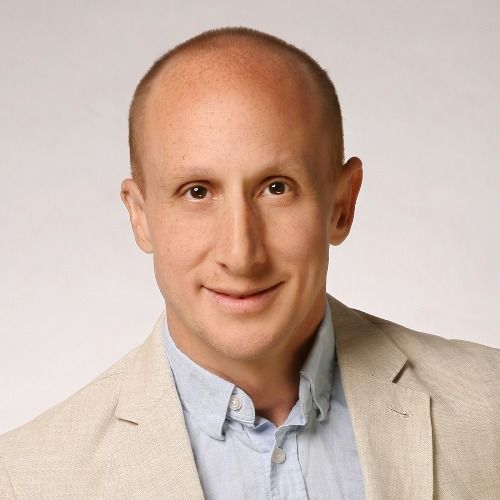
When he stands up at voir dire, Jude Basile has two goals: to empower the jury and get them involved in the case. With results that include a $150 million wrongful death verdict, Jude reveals how he achieves both goals in this conversation with hosts Harry Plotkin and Dan Kramer. If this has ever happened to you – a juror asks if you’re “in it for the money” or a juror discloses a sensitive experience like the loss of a child – tune in for Jude’s strategies. And if you still call your client a “client” at voir dire, drop that word from your vocabulary. He suggests an alternative word that builds trust.
Learn More and Connect
☑️ Jude Basile | LinkedIn
☑️ The Basile Law Firm | LinkedIn | Instagram
☑️ Harry Plotkin | LinkedIn | Facebook | Instagram
☑️ Dan Kramer | LinkedIn
☑️ Kramer Trial Lawyers on LinkedIn | Facebook | YouTube | Instagram
☑️ Subscribe: Apple Podcasts | Spotify | YouTube
Produced and Powered by LawPods
Episode sponsored by Advocate Capital, Inc.
Transcript
Ready to take your verdict and jury selection to the next level. Jury consultant, Harry Plotkin and trial lawyer Dan Kramer are your ticket to tipping the scales before trial begins. You're not just picking a jury, you're picking justice produced and powered by LawPods.
Dan Kramer (:Alright, welcome back to another episode of Picking Justice. Very excited. Very excited for this one. Harry, how have you been? Man, I just finished jury trial. It was good. It was the shortest one I'll probably ever do. It was like three days, but it was good.
Harry Plotkin (:Yeah, and you did great, man. For those of you who watched our previous episode with Christian Morris, we filmed that episode and then Dan picked the jury in the afternoon, and so to give you an update, he did awesome. He got nearly a $2 million verdict on a really tough case that I think they were offering not even six figures right on that case.
Dan Kramer (:It was good though. I mean it helped going, I kind of liked doing this. Maybe I'll start doing these and then go and pick a jury. It's fresh for me.
Harry Plotkin (:Oh, filming before? Yeah,
Dan Kramer (:Yeah, yeah, exactly.
Harry Plotkin (:Is this your warmup? Your Honor? Can we start at 10 30 so I can film a podcast first? I
Dan Kramer (:Always do that. Yeah,
(:Exactly. Anyway, with that, I am very excited for our guest today, Jude Basile, who is just one of these trial lawyers that I've seen. I don't think I've ever met in person. Maybe we have once, but I've been seeing his results from afar. He's in the central coast in California here. Really just has gotten phenomenal results. 150 million on a wrongful death, numerous seven and eight figure verdicts. A great guy who does things kind of his own way, which I love, and I can't wait to learn how he picks juries. So with that, Harry, kick us off.
Harry Plotkin (:Sure. Yeah. And I'm so happy to have Jude on one of my favorite people to work with, favorite trial lawyers to watch, pick a jury. And I know Jude, you've been teaching trial lawyers for many years. I mean, I think you were what the first head of Jerry Spence's, TLC after Jerry kind of stopped doing it, right? I mean, so you've been teaching lawyers this for years, so we're so happy to have you on here. I guess my first question to you that I love for you to explain to viewers is what is your primary goal during jury selection? I know some lawyers are like, my goal is to get 50 jurors for cause, or my goal is to try to precondition the heck out of them. What for you is the number one on your top of your list that you're trying to accomplish?
Jude Basile (:I have two main goals when I stand up and the number one goal is I want that jury to feel empowered and want to be involved in this case. So my number one goal is to make them feel empowered, make them understand what a unique opportunity it is to receive that summons in the mail, to commit and participate in this and how important decision they're going to be making. Whatever it is about safety in the power plan, about how people operate their vehicles, how safety procedures in a company, how they work and how they're supposed to operate. This is a very important decision and people are empowered to make that. That's my first goal in jury selection. And then perhaps the most important, when I sit down from voir dire, I want that jury panel. This is the juror speaking in their mind. I've never been in a courtroom before.
(:I've never thought I would be a juror or anything, and I don't know any lawyers. I just heard some crazy stories about 'em. I see those billboards and ads and I don't think I really like lawyers, but this guy seems a little different than what I thought. Lawyers were like this guy, I don't know. He seemed like a regular person and I'm not sure yet, but maybe I just might be able to trust him. So those are my two goals. Number one, empowerment. This is important. I want to be involved. This is it. And how this guy acted, how this lawyer spoke to everybody, acknowledged people, listened to people, wasn't afraid of stuff, didn't come down on people. He's a real person and I just might be able to trust him. You don't have their trust yet. Just might be able to trust him. They're different.
(:So you've already now empowered them and I love to do this throughout the trial, you're differentiating yourself from them. You do a good voir dire and obtain those two goals. And then the defense gets up and does their lawyer-like thing. They're in their blue suits, pin stripes, and they got four people standing behind 'em and they got a notebook of notes in front of 'em and their big thing and all this and they just fit into that stereotype. And already now you set up that differentiation that can add to the trust and buildup. Those are my two goals.
Dan Kramer (:Yeah, the trial I just had, the judge was phenomenal with that. He really made it just, I mean you felt like you wanted to run through a brick wall for America after he was done with how great of a system we have and how important this is. And their job is so important. On the other side you get some judges who don't at all and they make it even kind of more miserable. So I think what you're saying is when the judges don't, when they do it for you, it's great and you just kind of build off that. But when they don't, I think you're a hundred percent right. I think it makes a huge difference just in that tone and tenor right out of the gate. So are you doing that kind of how important their job is in your mini opening? Are you doing it the first thing you say? When do you make that point?
Jude Basile (:I'm glad you asked that because here's where that starts. In my opinion, it does not start in mini opening. It does not even start when the jury comes into the room, it starts, and I've tried cases throughout California from Marin County to San Diego and in between. And what I do, I urge other lawyers to do this a few weeks before or a month or so before I will go to the courthouse and I will go to the jury assembly room. Usually the jury commissioner's in there and if you go in the afternoon, there's no jurors around. Everybody's been set out or nothing. And so my first four way into that will be walking in there and talking to the commissioner or the clerk or someone that's in that jury room and I'll look around and look at what are the signs, where to eat lunch or where to park, and little pamphlets that they hand out to the jurors about the importance of it.
(:And I'll strike up a conversation with the commissioner and I'll say, I'm Jude Basile. I'm a lawyer and I'm not from ground here, but I have a case coming up in a couple weeks or a couple months in judge, so-and-so's department, and I just wanted to familiarize yourself with what you're doing. Invariably they light up because no one ever does that. That's what they're saying. They go, oh wow, that's great. Where are you from? What are you doing? I live in a little town, Cambria, and you get a conversation going like this, who's the judge? You can see how they reacted a little bit about the judge and that. And I say, so how do you guys do your jury orientation? Oh, well, we show 'em this movie and find out what it is. You pull up online and look at what the jurors have shown and a judge will come down and talk to them, to the group.
(:Some will say, talk to the whole multiple panels that are called in and talk to them. Hey, well when do you guys do that? We do it every Monday and Wednesday or three days or whatever. Hey, could I come sit in on that? Sure. I don't know why not. I go, it won't be my case. I'll be here weeks ahead of time. Yeah, no problem. After you made friends. So I'll go sit through a jury orientation in a place where I'm going to be trying a case and then if I can find the time or have enough time, you don't need to do this next step all the time, but I urge everyone to try this sometime. Go follow a panel panel, 6 48, you got to go to department 1 38. It's down here. Take the elevator up here, someone take the list, walk up here with them to the list, sit outside the courtroom to the bailiff calls you and they call, give 'em the list.
(:They give 'em that. Nobody's talking to anybody. Everybody's looking at each other. It's a little nervous and scared and where are you going and what's happening? Follow 'em up there, sit in there and then you're waiting. And then as you get there, you might see lawyers walking out of the courtroom and some of 'em are carrying big bags and have a bunch of people with them and someone else is there and you don't know who's who. And follow them, see what your panel is or what panels go through. And then invariably folks, it'll be about a half hour, the bailiff will come out, it'll be about a half hour. The lawyers still are discussing things with the judge that they're not done yet. So folks stick around here, stick. Don't go far, but it'll be about a half hour. Half hour goes by. The lawyers are still in there with shit that'll be going on. And then when they finally show up, get called into the courtroom, think of their state of mind that they're in.
Harry Plotkin (:Yeah, why are they so grumpy? I mean now you know why.
Jude Basile (:Yeah. Think of their state of mind and now having been through that and I always, whatever the pamphlet is, they have those little pamphlets about jury duty that they hand out in the jury room, whatever that is. I often will start my voir dire with that little pamphlet in mind and I will stand up and I'll say, folks, you can refer to it or folks, a few, I know what you guys have gone through because a few weeks ago I went through the same thing like that. So you're already starting to show that already that you care about them, what they went through, what's gone on by having been there. You're not going to make a big deal out of it or show off, but you can acknowledge that. I've often referred to if there's a picture down there in that jury assembly room or something or just to show 'em the familiarity with them, me and them, I'm starting to join with them. I'm starting to be with them.
Dan Kramer (:Wow, that's incredible. I've never heard of anyone who does that. You're the first one I've heard that does that. I love it.
Jude Basile (:I told you when I go in and do it, they're always like, oh wow, that's interesting that you're doing this. No one's ever done this before. Oh, I see why you are. That's really good. Here's another thing when they're called into the room and the judge says, okay, counsel, would you introduce yourself and your clients to the panel? That's the first thing, right? They do. What do you usually see? Thank you, your Honor. Your afternoon folks. My name is Jude Basile and my client is Denise and Daniel Collins. Here I'll be representing, right? Is that how it goes? Okay.
Jude Basile (:Yeah.
Jude Basile (:Not me. Mr. Basile, would you introduce yourself
Jude Basile (:And your clients? Stand up, pause. Let that room goes silent. Silent. Make sure they all got their eyes on you.
Jude Basile (:Make sure everybody's listening. Just wait for five seconds, 10 seconds. Make sure they're going to want to do it. It's the first time anything's happening. Everybody's going to be paying attention. Then I say, good afternoon folks.
Jude Basile (:I want you to meet Denise Collins and her son Christopher. This is their case and I'm their lawyer. My name's Jude Basile. You
Jude Basile (:See the difference?
Dan Kramer (:Yeah, I like that. It's
Jude Basile (:Not about me, the lawyer and their clients. And I always tell lawyers, drop that word from your vocabulary clients. Clients are somebody that you're making money off of that you're selling something to. These are people that you represent, these are people. So that's how I first introduce myself. That's my prep all before you go in there for the empowerment of a jury beforehand. But those are the two things, my two goals, empowerment. Holy shit, this is a big interesting case that I want to be involved in. I'm going to be making me, I'm going to be making important decisions and this guy's a little different, just might be able to trust him.
Harry Plotkin (:Let me ask you this dude, and I want to get into talking about some of the things that you do to start to let the jurors know, Hey, this guy, I might trust him, but I always learn better from mistakes. I think a lot of lawyers do too. What are some things that you've seen other lawyers do that completely sabotages that or actually makes jurors distrust you? Distrust lawyers, even in voir dire even it's little things. I mean because a long list of things where you can really step in it without knowing you're stepping in it.
Jude Basile (:First of all, I want to say that it is the most difficult part of trial is jury selection and you have to practice it. You have to practice it, and you can't wait until you're in a trial to do it. I'll do anywhere from six to 15 or more focus groups in a case before every focus group practicing voir dire with a group of people. So you got to practice it. So I think the mistakes are made. Number one, by not practicing that, that's a skill to get up in front of a group of strangers and get them talking and get 'em talking to each other and listening to them and acknowledging what they're saying and involving the other group members to come together. That's a skill that I guess if you're trying a case a week, maybe you can do it then, but you don't want to do your practicing in the game you want to get out there.
Dan Kramer (:No, I totally. I think it's super important. We often teach that on this podcast. I also think doing just of voir dire only focus group the night before is really important too to get that the reps batting practice. I think if you don't do it, you're crazy.
Jude Basile (:That's so important, Dan. If you're going to voir dire on Monday that weekend, man, I get a group in there and you're doing it. Yep, absolutely.
Dan Kramer (:Even if it's just the people in your office, just maybe you can't get a focus group in time. It's good to have strangers, but just practicing people bombing you or how that's going to feel to get these negative answers and just to get that feeling,
Jude Basile (:How you're going to react to that. So hold on to that question a second, Harry, and make sure I come back to that. AI is a big thing now and I know there's a lot of podcasts on how to use it and everything, and maybe I'm going to sound how naive I am to it or maybe some are going to think I'm advanced in it. I've done a focus group now on ai. I don't know if you guys have done that. I use Claude ai, the philanthropic one. I tell it I want to do a focus group on a panel that represents jurors in the San Jose area. Please provide me with 12 to 15 people that are representative of the jury panel in the San Jose area for a focus group on a wrongful death case. They spit it out. Spanish is their second language.
(:Here's a manager, here's a dental assistant, here's that. And they have their names and everything down and their background and their ages and it shows the whole cross section and then the AI will introduce you and you can start doing it to the panel. I've just done it through typing in my questions and responses, but I've been told that you can do it verbally too. You can actually interact with these people. So I'm not saying it's good and the ones I've done, they're okay and I guess they're going to get better with time and I think they kind of want to please you. So it's not as difficult as it should be. But anyhow, that's the easy simple way to
Dan Kramer (:Do it. Are you using that Harry or are you seeing many of the people you work with do that?
Harry Plotkin (:Not so much. I've heard, and I know I've seen a couple of studies that have at least so far, I don't want to be a skeptic and I'll be open-minded, but have suggested that the data from AI focus groups is not very reliable. But I would say if you're just practicing talking to folks, it doesn't really matter if that's exactly what you're going to hear from a jury. You you're just talking to folks and you're practicing and everything. But I have heard that when they do these online case studies, they've compared the same case with 200 real jurors and then 200 AI jurors. And they've said sometimes the accuracy is way off at least so far.
Jude Basile (:The thing it did for me, Harry though, that I did find effective because this is public, I don't want to get too specific on what case I'm working on doing this, but it recognized that I was gone from a broad topic narrowing down to a specific one that was more case specific and it laid out a pattern to do that for me. It was kind of interesting that way. So this is an aside, but AI is here to stay. I think it's going to get better, but I think you got to be using it one way or another if you're not. But it's never going to change that human interaction. I hope and believe. So back to your question again was say it again, Harry.
Harry Plotkin (:Yeah. What are some mistakes that you see some lawyers do in voir dire, even if they don't know they're doing it, where they're actually probably harming their credibility and making the jurors think, yeah, I don't really know if I trust this guy. I mean, I'll throw out an example because I know how you do it. A lot of lawyers, when a juror gets up there and says, this is a wrongful death case and my dad got killed in a drunk driver ran a red and killed them, I'll let you talk about how you handle that. But a lot of lawyers will plan for or they might light out. Oh, and then they talk very transactionally. Oh, gotcha. So that means that you couldn't be fair and then the person's like, wow, okay. I mean feel free to talk about how you handle because I know how you handle it an amazing way. But also any other things that you do that you see lawyers do that's just like, what are you doing? You're killing that trust, you're killing that credibility. You're just seeming like you're falling into that trap of just being some lawyer.
Jude Basile (:Well, I think one of the problems that occurs a lot is you have to be prepared. We've been saying about you got to prepare your voir dire, what topics are you going to discuss? But then they get too tied to that agenda. It's all about the agenda and what's my next question? What's the notes? And they lose being present in the moment with what's going on in front of them. So getting too wrapped, you see 'em even sometimes like a juror will be responding and they'll be flipping through their notes like this to see what the next question is while the juror is talking to them like this. So getting too tied to an agenda and the second thing, not listening to what's being said and that in and knowing what to do with it. Now on that example that you said, I've seen that done, it saddens me, the juror that says they lost a loved one.
(:The lawyer will simply say, oh, I'm sorry to hear that. That must be terrible. But could you put that aside and be a juror in this case? Are you able to put that aside and be a jury or that hurt? Can you do that? Can you put that aside and do that? Who's ever going to put that aside? You lost your son and you're not going to put that aside. Be a real person in that moment with them. This is a true story. It was a wrongful death case in Riverside and we're picking the jury. The worst judge I ever had. I mean he's the low watermark. He was so bad that even the prosecutor's office was challenging him on every case. I later learned, I mean you get the prosecutor's office challenging. He was that bad. But just what you've described was happening. A woman raised her hand.
(:Has anyone lost a loved one woman raises their hand. Yes, I have. And the first thing you do when you get that response is you say you ask their permission anytime that there's a sensitive topic that someone puts her hand up to want to talk to you about, you ask their permission before you go any further. So she put her hand up and said, yes, I lost a 2-year-old son. And I said, I'm sorry to hear that. Is it okay if we talk a little bit about that or would you rather not even talk about it? If you don't want to talk about it, I'll understand. Is it okay if we talk about it? She hesitated and said, no, I'm fine. You can talk about it. And I said, well, can you tell me a little bit about what happened? There's the open-ended question. No, can you tell me a little bit about it? She said, well, my son was playing in the driveway and my older father was coming to visit and he drove in the driveway and didn't see my son. That's exactly how I was reacting, Dan, just as you did. She said that. I was like, I said, I just dropped my head. I said, oh my god. And at that time I had a son about the same age. I said, I don't know what to say. I said, I have a
Jude Basile (:2-year-old and I can't imagine counsel, stop. Get over here.
Jude Basile (:That was the judge screaming at me to come over to sidebar. We marched over to sidebar. I don't want you saying another word to this woman about her losing her son. That's it. You're done. You understand. Okay, your honor, offense your rule. Get out there now and move on now what's going on? The panel didn't hear what went on at sidebar, they see this woman and me just had an exchange that was powerful and sad and emotional and everything, and now what? I'm supposed to go out there and just start talking to somebody else about something else and looked like a creep. If I walked away from her now leaving her that looked like, what am I going to do? I walked back out and I said, well, I wish I could talk a little bit more to you about that. But he just told me I can't.
Jude Basile (:Oh my God.
Jude Basile (:Called me over again and screamed at me again. But now what was the dynamic in the courtroom when that happened? Who is this guy? I used to respect this judge who, I mean what the fuck's his problem? What's going on with him? So I jujitsu that dynamic at that point, but sometimes that's staying present in the moment with what's really gone on. And as I walked back there and he's saying I can't talk to her anymore, I'm like, oh, well shit, what am I going to say? I'm just going to say that I'm not supposed to talk to you anymore.
Dan Kramer (:So was that a wrongful death case you were trying?
Jude Basile (:Yes, it was. It was a woman who lost her only daughter. It was tough. It was against the city of Riverside, a blind corner. They didn't trim bushes and they couldn't see the judge bifurcated the trial. We tried liability first the jury came back with a liability verdict in our favor and the judge threw out. We had to go up on appeal. It was reversed and sent back and then tried with a different judge. We challenged him.
Dan Kramer (:So in that $150 million wrongful death verdict you got, I mean, how do you talk about awarding money for a death? What's your in vo dire?
Jude Basile (:Yeah, good. And this can go back in. We talked about my goals in voir dire are empowerment and trust me and my steps to do that in voir dire. Step number one is get them talking. Step number two about things that matter. Okay? Step number three, listen to what they're saying about things that matter. Keep them talking and involve the whole group. Those are the steps. So in a wrongful death case, I'll be general and specific specifically in that case, it was a death of a 44-year-old long-term marriage widow and adult son. So it went like this. You talk about liability first in voir dire before you get to the damages. So we've already talked about liability and safety and things like that. If I might say how I get them talking generally before I talk specifically, the judge does those general questions to the whole panel and I'm watching them, we're watching 'em.
(:Harry's the fairy's with me. He is watching them and I'm looking for someone that I want to talk to that I really want to talk to that I think is going to be open for some reason. It's usually not all the time, but it's usually a quiet female or a truck driver or someone involved in safety or investigations or some soft spoken person that I know I'll be easy to talk to. I get someone like that to start things off. And as far as damages in the wrongful death case, I'm going to say folks, so another part of your job that's really important, very, very important is you're going to have to place, you're going to be asked to, you're going to have the opportunity to place a value on two relationships, the relationship between a husband and wife and the relationship between a parent and child.
(:So how do you guys feel about that? That's when you get the thing, well, I don't know how to do that. How are we going to do that? Is there other that? And then my followup to that, I go, well, judge is going to give you instructions. There's going to be evidence and we'll explain how to do it, but let's just talk about those relationships first. Can anybody here think of anything more valuable than a relationship between life partners, a husband and wife? Anybody think of any relationship that's more valuable than that? And then some of might say, well, parent and child might be, I say, well, those are the two that you're going to be putting a number on. How about anything in life? Is there anything in life more valuable than those two relationships? And I've had someone put up their hand and say, well, health, I mean, one's health is pretty valuable.
(:So think if you have an injury case, now you got that maybe going for you. But in a wrongful death case, I've had someone say, well, what about health? Living a healthy, being healthy and being able to enjoy life is very valuable. Yeah, you're right. That is a very valuable one. Tell me more about that. Why do you think that is? Well, because, and then someone comes around and says, well, okay, if you're healthy, what good is being healthy if you don't have someone to share it with? So it all comes back to the most valuable things in life are our relationships with loved ones between a parent. And
Dan Kramer (:Then you get the, well, what? The money's not going to bring them back.
Jude Basile (:What else can we do? I mean, if you see that a wrong has been committed, that this should have never happened because of a violation of safety rules and how the whole process was flawed, what else can we do? We can't bring them back. I mean, should we just let it go at that?
Dan Kramer (:I like that. Yeah.
Jude Basile (:Let me think. We should just let it go at that. They'll all say, no, this is all we can do. Just put it into dollars and cents.
Dan Kramer (:And in that case, did you give your number? Did they give you what you asked for?
Jude Basile (:Almost three times of what I asked for.
Dan Kramer (:They gave you more than you asked for.
Jude Basile (:Yeah.
Dan Kramer (:Well you didn't ask for enough. Yeah,
Harry Plotkin (:No. The way Jude set it up was actually he said, this is the least it's worth. You decide what's just and which defense counsel didn't like, right? Because they were out of control. They gave more, but that's not what I mean.
Jude Basile (:Right? That was an issue on appeal. They were saying that an issue of a runaway verdict is when the jury comes back with more money than the plaintiff actually asked for. And that's evidence of it. But the record clearly showed that's not what happened there. And I think that's a good way to go in wrongful death cases. Well, back to the voir dire in that. So your voir, there's nothing more valuable than those two relationships and you're going to have to put a number on it. But I want you to hear about these relationships first. I want you to hear about how they lived their lives together and what each other meant to each other and what other people saw in these relationships. You're going to hear all that before you put the number on. And the judge said in that case that I could only say tens of millions.
(:Tens of millions I got to say. So if it comes down to you hear the evidence, tens of millions, would you be able to do that? And they all said, yeah, tens of millions. That's what he said. I could say that's what they all agreed to, tens of millions. So in closing, I did the least and just amount. And I think that's important. I think that's something that a lot of great lawyers out there, so you can take it or leave it however you want it, but arguing the least amount and the just amount pulls in empowerment back to the jury. It does. So in that case, I did a million dollar moment argument, which I don't know, I hope people steal it and I hope it works and whatever it is out there. But the million dollar moment argument in a nutshell is when you get to the non-economic and you're going through 'em all and love comfort society and what they mean, you're doing all that, how are you going to put a number on it and what is it?
(:They're loss. And if it was their loss, I'd say, what would they do? He left for work that morning and never came back. They didn't get to say goodbye. They had nothing. He was happy, healthy guy. And that was the end of it. What would they do for one moment back with him? What would they do for one moment back with him? They'd pick up trash on every roadway in California. They'd work two jobs. They'd work 24 7 until they would fall down. They would clean urinals and restrooms in public stadiums. If they had to do it, they would do sell everything they got. They would give everything away. They have just for one moment, back one moment with him. They would do anything for just one moment. And if they could get one moment, what moment would they choose? Would it be the night they met when they went up to the top of Mount solid ad and watch the sunrise and talked about their hopes and dreams and shared that first loving kiss, which he picked that night, that moment. What moment would the son pick? Would he pick? And then you go through the different moments they could pick. And the one I like to finish with the son, what moment would he pick? Would he pick Dad, I'm engaged, dad, you're going to have your first grandchild. Or
Jude Basile (:Maybe he would pick that moment when his dad was his nineties laying in bed, taking his last breaths where he had to let go. And he'd look at his dad
Jude Basile (:And he'd say, dad, you've been a great dad my whole life. We're going to be okay. It's your time to go, but I love you. And you can go Now, what moment would they pick if they could have one moment back? And isn't each of those moments a million dollar moment? Now, I know you folks might be saying, is this lawyer going to ask for a million dollars a minute for all 40 years if we're taken away all 32 years that were taken away? No, I'm not going to ask. I could, I'm not. But we know there was at least $1 million moment probably every week, every month. Certainly, certainly there was a million dollar moment at least every year. So his life expectancy was 32 years. So I say the least amount is a million dollars for each year. 32 million for the wife, 32 million for the son. That's the least amount. Well, you've heard me talk throughout this about holding them fully accountable for all the harm they've caused. A million dollars a year is the least amount, but you have it in your power. And I ask you to come up with a just amount.
Dan Kramer (:Wow, that's beautiful. That's really, really good.
Jude Basile (:So it was 64,000,032 each is what I was saying. And they came back with 150 million, a just amount.
Harry Plotkin (:And you know what surprised me was a little bit was more for the son than the wife. And you would think, but the reasoning was interesting. It was that she could get remarried again, right? But he could never have another father, which was sweet. A different way to think about it than
Jude Basile (:I got that mixed up with another case. I had another case where on the verdict form it had 7 million and they crossed it out and wrote in 9 million. That case was a suicide case that Oh,
Harry Plotkin (:I remember that one.
Jude Basile (:Drug treatment. But yeah, so I was thinking this one, but that is how they justified more for the son because of he won't find another father. But back to voir dire in this, you see Dan, how you let them come back and say there's nothing more valuable than those two relationships. And that's why empathetic listing, not speaking of money in voir dire. I can tell another story on how I handled it. This is when voir dire was broken up over two days. We had to end. I wasn't done with my voir dire, it was four 30 in the afternoon. Okay, we're going to end here. We'll pick up in the morning, come back in the morning, and the juror's in there and we're getting ready to get started. He is. Judge is ready to turn it back over to me and a juror puts up his hand.
(:The judge says, yes, you have a question before we start. And it was rough. Younger guy, I'd say in his thirties or so. He says, yeah, I want to know something. The judge goes, yeah, what's that? He said, I want to know something. He said yesterday, this lawyer, he points at me, seemed like all he wanted to talk about was money and it wasn't, but I was into it. The money thing. All he wants to talk about his money and what I want to know, is he just in this for the money? Does he really have a case? He said that to the judge. So what do you think the judge did? He says, well, Mr. Basile's going to get up here in a minute. Maybe you can ask him when he gets up here.
Harry Plotkin (:Oh, well that's actually better. I'd prefer to handle it in the judge to shut it down and say you can't ask that question.
Jude Basile (:No, it was Kevin Enright. His dad was a long time federal judge and he's a good judge. I think he's still on the bench. Kevin Enright, good guy. And there was good defense lawyers in this case. Dan White was one of them. And it was good. It was a really a high experienced group in the whole room, judge and everything. And I think the judge says, all right, let's see how Basile handles this one. I'm just going to hand it over to him. And I was like, oh shit. So I stand up and I go over and I go to the guy. I go, first of all, I really want to thank you for bringing that up because that's what I want to hear. That's what I want to hear. I suspect I didn't ask them to show hands, and I suspect there might be other people here that feel that same way. There's still a panel in the audience too. Just the people there, people the same way. So I'm going to answer it. I'm going to answer you straight. Yes,
(:I'm here for the money. Long silence, everybody looking. I'm here for the money. This is my job. I've been doing it for 35 years. This is my job. I got a family to support and I'm here for the money, but I'm also here. And I walked over to the kid, I represented a wall, had collapsed on him. It had a horrible leg injury, but I'm also here for him. I put my hands on his shoulders because I've come to know him and I looked him in the eye and love him over the past two years I've been representing him. So I'm here for the money, but I'm here for him. So how you feel about that? He said to Guy, and what'd he say? He says, well, okay, I want to see the case, so I want to see the evidence. I want to see the case. I go, does everybody want to see that? Everyone agree? You want to see it? Yeah. Well I can't wait to show it to you.
Dan Kramer (:That's a great way to handle it.
Jude Basile (:I said, I can't wait to show it to you. So that's one of those moments where there's a part of me saying, when that guy first put up his hand shit, early lawyer said, oh, that's polluted the whole fucking panel. I want to go sidebar with a judge. Judge I want on a whole new panel. He's polluted them all. This is terrible. I can't handle it. And we'll let know. It's about preparation, staying in the moment, being a human, telling the truth. Tell 'em how you really feel. And I think I did say it at the beginning. I said, it kind of hurts me with the way you said that does kind of hurt me, but I want to tell you the truth. Yeah, I'm here for the money.
Dan Kramer (:I think that's great. Speaking of let's take a break to thank our sponsors, I want to thank Law Pods obviously for making this possible, really helping educate all the lawyers out there to get better results for our clients. I really want to thank one of our fabulous new sponsors, advocate Capital Inc. It is a premier provider of strategic financial products for successful trial law firms. Advocate is passionate about helping plaintiff attorneys get better results for their clients, mainly run through their advo track case expense funding service. AVO Track is a proprietary software platform that allows law firms to track their case expenses case by case so they can recover the borrowing costs, which makes the net cost of borrowing zero on the cases they win. Since 1999, advocate Capital has served the plaintiff bar and enjoys a client base that extends nationwide. For more information, visit www.advocatecapital.com or call them at 1-877-894-NINE 7 2 4.
(:I just want to say personally, I've used Advocate Capital for about 10 years exclusively. They are incredible to work with, great customer service, and to me it helps us level the playing field. When you need funding to get experts to really work up the case, it's totally worth it. It's a great investment and they're super easy to work with. And this AVO Track does work really well. My bookkeeper loves it. I love it. You can really track stuff easily and it's just great. It's a great product, frankly. I mean, I wouldn't pitch anything on here that I don't personally trust. And these guys are great people. They're out of Tennessee, I believe. So thank you for Advocate Capital for sponsoring. Please reach out to them, reach out to me and I can give you some more background because like I said, I personally have used them for a decade, so thank you. Advocate Capital. Awesome.
Harry Plotkin (:Yeah, unlike any advocate or any of these companies, the most expensive thing for trial lawyers when you're thinking about expenses is losing the case. So if it's something that can help you afford to do a better job trying your case, do it.
Dan Kramer (:Absolutely. Alright, let's hop back in. Harry, what do you got for Jude?
Harry Plotkin (:Yeah, I wanted to ask. I get Jude's take on how he handles something that I see some lawyers do the wrong way, which is some lawyers are always looking for cause and so the first opportunity when some juror says something like, my dad owned a company, he got sued once. Or yeah, one time somebody hit somebody and they claimed a bunch, these lawyers would just, they just jump all over 'em for, cause even before, sometimes the juror has even said, I have an issue with the case. And for me it's like once you start cross-examining jurors and attacking jurors and the other jurors see you do it from the get go, they're like, why would I want to talk to this guy? I mean, this is just turning new interrogation. So I always tell and teach lawyers, save the beginning of voir dire and the middle of voir dire should just be talking to 'em, getting them talking, not being judgmental toward him.
(:How do you feel about that? No right or wrong answers. Not arguing with them or anything. Save that till the end. At the end, if you want to try to get some cause challenges, you can pick it back up and go, Hey, remember we talked about this and see if that's an issue for them. But Jude, how do you handle it when a juror says something that you potentially could open the door for? Cause I mean, do you try to go after 'em then or how do you handle it if somebody says, I don't know if I trust these lawsuits or I've been sued or whatever it is.
Jude Basile (:Well, I think it starts, there's a lot of factors there that go into that situation. It has to start with listening to what he's really saying and exploring where that comes from. You've used the example, my dad owned a company and he was sued and it was a bunch of bullshit and the lawyers are just after him and all that.
Harry Plotkin (:Well, let's assume he doesn't even say it's bullshit. He just says, I know my dad once got sued by an employee or something or over an accident, one of his drivers did, and that's all they say. How do you talk to him?
Jude Basile (:Well, I would start off, well, how do you feel about being involved in a case like this with that experience in your background? You can springboard that to the rest by saying, so that's an experience in your background. Thank you for sharing that because an experience in your background that you feel may have some effect on your ability to be a juror in this case, it's your personal experience with your dad, right? That's perfect. That's exactly what we need to hear from other people. Who else has had an experience like that that they think might affect them in this or whether you think it might affect you or not? Who else has had an similar experience and known as someone like experience? So you can open up to the broader group right away and then come back to that guy and find out how many other people might have the same experience or feel the same way or not.
(:The other thing you can do if you get a bunch of haters or people Yeah, I do too. I think they're bullshit. Yeah, my friend got sued. Oh, I had to close their business. And you get all that gone on. I've heard this through my work with Don Clarkson is a great group dynamics guy. He always says the group will save you if you give them a chance to save you. So what you come back with would be, who feels differently than that? Does anybody feel any different than what these people are saying? And some will say, yeah, I think there's righteous cases too. Why do you feel that way? Well, my friend got hit and never was able to recover or I don't know, whatever. Who feels differently after you do? Who all feels the same? You always go to anybody feel any differently?
(:Why do you feel differently? How come you feel differently? What's made you feel differently? All open-ended stuff like that. Well, I'm just saying if this guy is really one, he's giving you enough, man, I don't want him anywhere near this case. Then you do the usual lockdown to him. I guess you had those feelings for a long time. Certainly three or four days or weeks. Nothing's going to change your opinion about that, right? And anyone who comes up and tries to change your opinion Now that wouldn't be very fair, would it? I throw that stuff in for the preempting the rehabilitation bullshit that they're going to do.
Dan Kramer (:In this last trial from last week, two people, one, she thought that her nephew was going through it. It is actually separated the family apparently, I guess her nephew was in a car crash and just kept overworking the meds. It's like really hurt our family because I think what he's doing is fraudulent. Then I had another guy who said the same thing, but I really like these people. I thought they had good answers on other stuff. So it gives you an opportunity because I said to her, I said, look, I mean that sounds terrible. I think when people do that, it's terrible for our system when people do overtreat when they shouldn't or there's fraud going on, I think it's awful for the righteous cases. If you believe that that's happening here, I don't think you should award any money. If you think this is a fraud, you should award zero because it's terrible for our system and I truly believe that.
(:I think all of us sitting here probably do. So it gives you that opportunity. And she says, look, yeah. She's like, I'm not saying that's happening here. And I definitely set that aside and it gave me a good opportunity. I wanted to keep them on, but I think with less experience, I think I would just immediately go for cause for both of them and they ended up being my two best jurors at the end of the case. They wanted to give the most money. So I think that's why it's so important to, because it gives you two opportunities there. I would've struck them, I would've tried to get them for cause probably five years ago.
Harry Plotkin (:And the most damaging thing too is that a lot of lawyers will, there's a fine line between letting them tell you that they can't be fair and leaning on them because it's not just, yeah, I really want to get this cause challenge. Okay, great. But think about, and I think what Jude is teaching us all is think about what the other jurors are thinking in terms of your credibility when they're all sitting there seeing you, even though you've done this a long time and you probably know this guy can't be fair, but the other jurors are putting words in this guy's mouth and why is he kind of questioning him as if this guy didn't tell him They get it. If some juror says, I think your case is bullshit, and I think these kind of cases are bullshit, they understand it. If you say, okay, so you can't be fair, but if the person hasn't really said that yet and you're the one kind of pushing them, the other jurors are like, huh, what's going on with this guy? He's not really listening to this guy and I don't really want to say something where he's going to argue with me. So is that one cause challenge really worth going after him? But the way that Jude was described it, if they're giving it to you, the other jurors will get it, but talk to him until they give it to you. Right?
Jude Basile (:That is such a great example what you just said. I hope you remember that and you said again because what you did there was obtain my two goals in voir dire. You are empowering them that they can say that if this is bullshit, call it bullshit. You're empowering them with that and you're building trust by saying, Hey, I agree. If you think this is bullshit, do that. So those are the two goals that I don't know if you want to do that now, but always keep those in mind. I want to empower and I want trust. They have the power and I want them to trust me. That was great. That was a good example.
Harry Plotkin (:And is that Jude, I mean I know the answer, but is that worth throwing those two things out the door to get a couple extra? Cause challenges, I mean because a lot of the viewers I think are like, no, cause is king. Who cares what everybody else thinks. If you get 30 cause challenges, you're golden and it doesn't matter what, and everybody else who speak up must be great.
Jude Basile (:That's a very interesting dynamic because you can play into the lawyer game. I mean that's what they see it. This is a lawyer game. He is tricking me into saying some words that try to boot me and all that.
Dan Kramer (:Well, the worst part, you could be getting rid of good jurors like great jurors. So that's more dangerous.
Harry Plotkin (:And if a judge is doing what most judges these days, which is giving you, I'll give you 45 minutes to maybe talk to the first 20 jurors and they're doing the math, they're like, well, I want to get 60 cause challenges, so how can I do that? Well, I can't do it by just letting the jurors talk. I got to rush it. I got to force it. I got to just push everybody into cause as quickly as I can. And sometimes I've seen it where I'm sitting there thinking, I don't think this is a bad juror, and this juror doesn't think he's a bad juror and the other jurors are certainly looking at the lawyer. What are you doing? But the lawyer's like, no, I got him. I finally got him to say uncle and admit maybe I can't be, you're just killing yourself with everybody else. Don't even worry about that one juror. Everybody else is just not talking to you. I guarantee you, if you're cross-examining people from the get go, you're going to have a lot of jurors who say nothing, who don't like your case. And just because they didn't say anything doesn't mean that they're good for you. They just don't want, they're just like, I'm out. I'm not talking to this guy. Talk to 'em first and then you can assess them.
Jude Basile (:It's that whole dynamic of what's going on in the courtroom. I mean, the other thing that I've always said, you can never spend too much time with the people you represent in their life and where they're at so often. Maybe I just was blessed with having the time to do it, but your lawyers will contact me and it's like the week before trial, they're sitting down in their office trying to damage stories out of the people they represent the week before sitting in their office. Some can do that, I guess, and make it work.
Dan Kramer (:Can they though? I don't know. I mean I don't get, that doesn't even make any sense to me.
Jude Basile (:But you've seen that happen.
Dan Kramer (:No. Yeah, totally. I don't get it. I just don't know how you can, knowing your client's stories inside and out and from multiple different people. I don't know how you can just do that over a weekend. I don't know. Maybe you can. I don't know. Some people maybe can.
Jude Basile (:The other thing, this is where I was saying in the beginning, you can expand your podcast to look at things like I do focus groups early and often and my number one rule is the only mistake you make is not doing them most of the time, if not all the time. The first focus group I do is not even about a case. I won't even let them know that it's a case. It'll be, we're talking about workplace violence. We're doing a survey of community people here on how you feel about workplace violence and what employers can do to prevent workplace violence. This was the latest one that I did. That's how I started off. We're just looking at how employers can prevent workplace violence. It's a mass shooting case that they're trying to talk me into be lead counsel on it, but I don't know. But yeah, so the first focus group we did was workplace violence. What do people think about it? What do you know about it? How do they happen? What do you think should be done? How should that be done? Who would you talk to? What system would you put in place? Who's important in that system? All these things were in the first focus groups, so that's how I do early focus groups like that.
Dan Kramer (:So you were just trying to get themes, just get themes from these.
Jude Basile (:Yeah. What do they think is important? Why do they think these things are important? What else do they want to know can help guide discovery? Who would you talk to? I can tell them as you go along in the three hour focus group, you can start telling 'em a little bit more maybe What if this had, give 'em some what ifs, what if they're doing this? What would you do in that? So it's like a group think or a group effort on what's going on. The other thing as far as preparing people to testify at trial, what I do in almost every case, I will do a focus group with the focus group members in a U shape like this sitting around here and I will tell them a little bit about the case and then I'll bring the person I'm representing and put 'em right in the middle of the U and these people and their instruction to the group is, okay, I told you a little bit about the case and what this person's about. Have at em. You can ask them anything you want about anything and if there's bad stuff or whatever, it's wide open and let it go. And it's interesting on what they'll be asking them. And that is such an empowering thing for the people we represent because once they go through that, they go, geez, I handled that pretty good or I didn't. Or It's a good learning experience. Another thing I do and I'm throwing out a lot of shit, this is why,
Dan Kramer (:No, I do the same thing with the client because every single time there's always a question that, an angle that I didn't think of. Even though you can you
Jude Basile (:Let other people asking them
Dan Kramer (:Questions? Oh yeah, I always do. There's something that's just like, God, I wouldn't even thought of that. But it's a really good point. Either something I need to protect against or a different angle on building up damages that I didn't really think about.
Jude Basile (:Here's another thing, I don't know if you do this, but I have them do a direct exam on me as them, you're the lawyer and I'm going to be you and I want you to ask me questions about what happened to me or how I'm doing or what affects me or whatever. I'll do that at their house. So I'll set it up like a conversational way and stuff and I'll say, okay, you be me. And I'll be, it's a role reversal obviously, and ask me questions that you do that I've also done it with, again, this is getting into the people you represent. What questions would you ask This panel we're going to do jury selection. What do you want to know about this panel? What do you want me to ask them? What are you concerned about them? They won't believe me. It's interesting to get feedback that way from that. And it's back to stop thinking like a lawyer.
Dan Kramer (:Yeah, a hundred percent. No, that's
Jude Basile (:All great.
Dan Kramer (:Great advice. Well, with that, this has been incredible. I love hearing your stories, man. It's very powerful stuff. I want to see you in trial one day. Are you coming down to LA anytime soon to try a case,
Jude Basile (:Dan? I'm doing more consulting now and I'm selective on what I'm going to try, but I still want to do it. I still want to keep trying cases
Dan Kramer (:Before we end. So you said Jude, you're doing some consulting. What kind of consulting can our listeners,
Jude Basile (:It's usually like, what do you think of this case? Can you come in and it'll be story development. I might run a focus group or two on particular issues. I might help people work on how they're going to do voir dire stand up work with a group on voir dire. We might do scene development and selection to reach either liability or damages, mainly damages. Which one of these elements of damages, what scenes can we find? What demonstratives are we're going to use for these scenes, how to do it and put it all together. The problem I have, Dan, is when I start doing that, then I get my juices flowing and I say, oh shit. Okay, alright, I'll do it. But I'm working with, well Dave Sullivan, he has a son that has tremendous potential, I think as a trial lawyer and it's working with him now.
(:So I'm kind of pushing him along to do it. They want me to let him do that. So working with young lawyers and showing him this and the story development, a sequencing is always a big thing too. How are you going to sequence the whole trial from jury selection on through? I think one of the biggest advancements in trial advocacy in my 44 years of practice has been, in my humble opinion, the many opening. I think that's been a tremendous development and I think doing those the right way and working on those and putting that together and how that's going to set the tone for voir dire is key. So a variety of things. What do people want? How can I help them and what can be done? And I probably never charge enough or whatever for this.
Dan Kramer (:Well, everyone should reach out to him. He is a legend. He knows this stuff. He's a great trial lawyer. Jude, we're honored to have you on here, man. Thank you so much. I know our listeners just learned a ton from hearing you speak. I know I did.
Jude Basile (:Thanks both of you guys. It was great talk with you and always great working with you, Harry.
Harry Plotkin (:Yeah, and a pleasure. Can't wait. I just promised we'd get in a courtroom at release one more time in the next few years. Yeah, that'd be so much fun. For sure.
Dan Kramer (:Yeah. Alright. Thank you to our sponsors. Thank you to Law Pods. We'll see you on the next one.
Voice over (:If you're enjoying the podcast, the best compliment you can give us is sharing it with a colleague who would find it valuable. For all the best clips from the podcast, follow us on social media. You can find those links in the show notes, have a jury selection story to share. Email us at podcast@pickingjustice.com and we may address it in a future episode. Until next time, remember, you're not just picking a jury. You are picking justice produced and powered by LawPods.