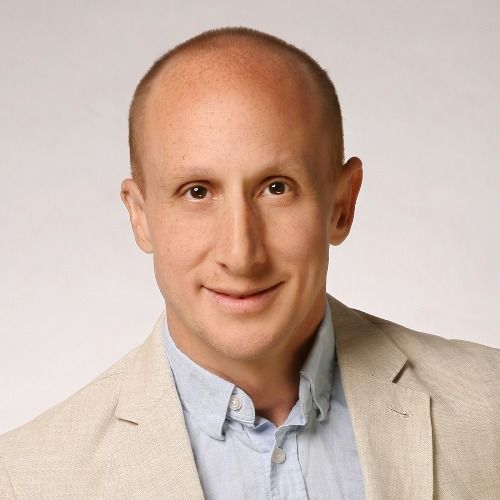
Mike Alder – What I Learned about Jury Selection after 9 Trials in 10 Months
After completing nine trials earlier this year, Mike Alder describes lessons learned about jury selection with hosts Harry Plotkin and Dan Kramer. Tune in for his insights about how being practiced makes you conversational rather than aggressive, why he starts with easy questions before diving into hot-button issues, and how asking "I need your help" invites jurors to participate authentically in the selection process.
Learn More and Connect
☑️ Mike Alder | LinkedIn | Email | Instagram | YouTube | Telephone
☑️ AlderLaw on Facebook, LinkedIn, Instagram
☑️ Harry Plotkin | LinkedIn | Facebook | Instagram
☑️ Dan Kramer | LinkedIn
☑️ Kramer Trial Lawyers on LinkedIn | Facebook | YouTube | Instagram
☑️ Subscribe: Apple Podcasts | Spotify | YouTube
Produced and Powered by LawPods
Episode sponsored by Baldwin Settlements and Verdict Videos.
Transcript
Ready to take your verdict and jury selection to the next level. Jury consultant, Harry Plotkin and trial lawyer Dan Kramer are your ticket to tipping the scales before trial begins. You're not just picking a jury, you're picking justice. Produced and powered by LawPods.
Dan Kramer (:Alright, welcome back to another episode of Picking Justice. Very, very excited today for our guest, Harry. I felt like I've tried a lot of cases in 2025, but then we had to invite this dude on who has just been in trial literally nonstop. Every time I'm done with a trial, he's already done two between that and my next one. But one thing I do want to bring up to our listeners out there is that my last two trials, I did not have either of the kins with me, my partner Theresa Johnson, and I had to try them by ourselves. They were too busy. So for all our listeners out there who the kins say they can't take you on or take on your jury selection, just know that he doesn't even have time for his own podcast partner. So I thought me doing the show with him would get me that front of the line access, but no, no, I also have to wait in line like everyone else. So please just know that, that they're too busy for even his own podcast partner.
Harry Plotkin (:You got to do what some of my buddies do, which is just, if I can't make it, just make an excuse with the court. Just be like, I have a thing or my experts can't make it or something like that. But next time I'll be there for sure. But you guys did awesome in those cases, just like Mike did. I mean,
Michael Alder (:I've been plotting to have a plotkin for years and I still can't make it work.
Dan Kramer (:Well, here's your chance, here's your chance. You got him, get him to commit on air. But with that, we have the LA legend, Mike Alder and I say LA for both Louisiana and Los Angeles. We have really a guy that when I was coming up in the plaintiffs bar, former C President, he's just always willing to help out. Really teaches young lawyers and new trial lawyers not only how to try cases, but do it the right way. Do things the right way, be a human being the right way. One of the first things I remember you teaching was just send thank you notes, handwritten thank you notes. And you still do that. And that's like one of the big things you do. And I really think that's just kind of a foundation you build on how you, you've got one right there on how you try cases and someone I've really looked up to, he was president of Los Angeles trial lawyers Charity when I was on my way up the ladder. And so Mike Alder, who is, dude, you're trying more cases now than I feel like I remember you ever doing. I wish you could just showcase it more on social media so we could see what's going on in your life. Man,
Michael Alder (:You know who watches it the most is the defense lawyers. Yeah,
Dan Kramer (:Probably. Yeah.
Michael Alder (:I'm in trial number nine and I've got at least two more and way back when the year I went trial over the year I did 11. But they were different. They were small cases back then. It's been a challenge, but a beautiful challenge and one I've accepted, but at some point my family and my kids are like, stop it. Yeah,
Dan Kramer (:I hear that. Well with that, I think this is a very unique, you just came off a string of three back-to-back trials. I think we were talking before you were rebuttal next day, voir dire
Michael Alder (:Next afternoon, that same afternoon.
Dan Kramer (:Oh there we go. And then you did that again. You went from Oakland to LA to Long Beach, right? All three in a row.
Michael Alder (:Who would've thought, right?
Dan Kramer (:Yeah. But I think the beautiful thing about that, and just like any kind of athlete knows, trial lawyers I think are very similar to athletes in that regard. If you're getting your stride, I mean you just can just walk right in and just feel so comfortable in front of that jury. Whereas if you take a six month gap, which even isn't even that long for most trial lawyers, some are taking two years. But how did all that experience, how was your voir dire? How did that kind of edit and mold throughout those back to back? Did you change anything? Tell us about that.
Michael Alder (:Well, practice makes you comfortable this, we all know this, that there is no substitute for practice. And just if you think about in your everyday interaction with anybody, when you're at a party, when you're at an event or whatever and the person you're talking to is relaxed and comfortable and is listening to you, you're much more likely to interact. You're much more likely to share information. And so one of the benefits of picking nine juries this year is that at some point I'm practiced at it so much that I'm just walking in. I'm cognizant of being polite, my shoes are shine, my suit is pressed, I don't have crap on my table. And I'm asking open-ended questions and allowing people to talk, but in a relaxed way that I'm not trying to overdo it because it's just not that difficult. But that invites people to be comfortable. And that's when people tell you they hate you. That's when they tell you that the things that you really want to know and different judges give you different amounts of time and different cause things. And I've learned already so much from you guys just listening to many of your episodes that I've put in this year, a number of things that have really helped me quite a bit.
Harry Plotkin (:One thing, Mike, that you said that I think is really important is just talking to jurors being conversational. One mistake I see is that if you have plenty of time in voir dire, I mean this doesn't apply if the judge has given you 20 minutes for voir dire, but you don't have to voir dire shouldn't be cross-examine from the very beginning. You shouldn't be feeling this pressure to as soon as you hear something bad from one of the jurors to cross-examine them and try to get 'em off for cause like voir dire goes much better if you're just having a nice conversation with them about their feelings and getting them to open up instead of immediately being like, I got to nail this guy down for cause in the next 30 seconds.
Michael Alder (:And that's changed the order. With that understanding of when I go into the traditional things when I'm going into fee caps and paying money for pain and that kind of stuff, I've pushed that back in my questioning because I don't want to start out with your bias that I'm here to try to figure your ass out. And that'll be after, Hey, I really need your help in this process. I'm trying to help you talk. You're trying to help me figure out to get to the right pool of jurors. And that's really helpful when in the judge's questions, you got somebody who's already out there, this guy looks like a joker, and I'm like, that's great. It allows me to just kind of start with I'm a joker and that's exactly what I want you to do. And that starts a conversation. You want to ask those questions about caps and money and lawsuit lotteries and billboard lawyers and whatever to me after they've taken a breath and feel more comfortable in telling you how they feel.
(:So I've learned even, I don't know what number I'm on total, but certainly well over a hundred jury trials, but nine in a row in what, 10 months I've learned that I've pushed some questions back. Now I've started to maybe start with some initial questions of direct rather than a broad picture to get people to just start talking. And I may now start vo dire by asking about somebody who's like a social media influencer. Hey, tell me a little bit. It's so interesting. Tell me about the platforms you use to get them talking. So other jurors feel like they can talk. So maybe in 10 minutes from now, I'm going to then ask the more broader question.
Dan Kramer (:So Mike, you said something just now, maybe it was in passing, but you said that you may talk about I need advice from jurors, I need help, need help. Yeah, no, but I need help, need advice. Do you I really like that concept. Elaborate on that, what you mean or how do you introduce that to the jurors?
Michael Alder (:I mean look, everybody is here maybe forced to be here, but we're here forced to be here to participate in a system that to work well and to be fair to everybody does require that we do stuff and it requires that you do stuff and we don't have enough time to talk, to ask you question after question. So a lot of this, I need your help to listen and tell us both sides things that you've now, as you hear, you're smart people, you're figuring out the kind of stuff we want to know about and it requires that for the system to work for you to help us figure out if you're the right kind of juror for this kind of case. I'm not looking to see if you're biased, I'm just looking for experiences and thoughts that may or may not work for this type of case, but that's going to require you to help me by being responsive. And I'll try to give you the opportunity to talk. And then every once in a while I'll say, look, if you guys got questions, ask me If I can tell you, I'll tell you.
Dan Kramer (:I really like that because people want to be useful, of course, especially in that environment, which is so cold. And Patrick Salvey, who was a former guest, talked about you feel so powerless when you walk in here and all that, but people want to be useful and want to be helpful and want to participate in being helpful and useful as their human nature. So I really like introducing that concept early on because at the end of the day, you're also planting that seed in closing, you want them to help your client and be useful and helpful. So I think I just didn't want that to go unnoticed because I think it's a really important way to introduce.
Michael Alder (:Yeah, well, I mean the whole idea is you've never met these people before. They're in an unfamiliar situation. Most people don't talk in a crowd for a living. And so their first initial instinct is to not say anything. And so one, I don't start with the hardest questions, and two, I want to give them some level of comfort to try to help in the process. And if you're doing something because you're helping rather than because you're required to do it, you're more likely to talk, in my opinion and different structure, different folks. But if there's no shit on my desk, if I'm looking presentable, if I stand when they walk in, if I'm polite, if I smile and then I ask for help, you're just more likely to have more comfort for people to talk to you. And then that's when you learn more.
Dan Kramer (:So I always like to hear what people, and Harry always usually ask this, but about the stuff you used to do, you mentioned that you used to ask the hard questions or the more controversial questions and you talked about lawsuit lottery and billboards and all that. So what did you used to do?
Michael Alder (:I do it. I just have changed up some of the order. I'm not asking these big ticket commitment that are sometimes harder for people to talk about, right? Until there's been a little bit of more or easier discussion. And like I said, many times now I'll start with an individual to get and be interested in what they're doing. And this last trial I just did, there was a social media person who worked for a social media company. So I was interested in that and I started my vo dire and just say, I'm going to ask, start with just a couple of people first. And then again, as people are listening, if you have something that you think that we may want to know, just please, I need your help and let's all participate. And I went in on this person and I was legitimately interested and I knew a little bit about social media and I'm like, which platform? And dah dah, and this person starts yapping and you can just see everybody else. It's like, oh, this is what it's like. Okay. And then maybe nine, 10 minutes later I'm like, so let me switch gears. I want to talk something. Just ask everybody and I'm not sweet Mike, but you've probably seen some billboards, that kind of stuff. And then I would go into more of the traditional things that I got more information then than if I had done it without kind of tenderizing the meat.
Harry Plotkin (:But they see it as you just having, I just want to want your help and I want to hear your thoughts as opposed to you're all going to be interviewed and cross examined. You're all going to be, this is an interrogation for each of you. And can you be fair? Yeah, it totally works better that way when they, I don't mind. I love jury selections that start off on positive things, even if you jump into an issue in the case, but it's not a judgmental question, it's just like, Hey, this case is about trucking companies and I just want to get your thoughts on how do you think trucking companies should, anything they should do to screen drivers or whatever, so you're not putting 'em on the spot. They're just like, Hey, here's my thoughts, whatever. Here's my feelings and thoughts, not like my biases. Yeah,
Michael Alder (:It said this verdict I just got two days ago in Long Beach, it was unanimous verdict and six of the first 18 jurors in voir dire said, I caused a collision and the person wasn't hurt and lied about it and made a claim against me and I hate life. And I'm like, oh yeah, right. But their ability to say that and then the validation of that, right? One or two of them couldn't get that out of their mind, but the other four were like, but different people have different experiences and I left them on the jury and you just never know. But thank God they told us that's the kicker.
Dan Kramer (:Yeah. I mean I assume that was with the judge's questions, not yours was with the judge's question. And so I had that happen in my last trial up in the Bay area and I threw it back. I said, yeah, that's terrible. I think that's awful for our system. I think if you see that happening here, you should give zero because I think that ruins our system if that happens, because that's what I believe. I know that's what all three of us believe here. And so I agree. I don't know if that's necessarily a bad juror just because they said that, right? I mean, Harry, what do you take when you hear that answer? I think a lot of lawyers, at least I would've thought this years ago, that automatically strikes like Mike's saying, I would strike that juror. I'm done. I'm going to get him for cause because that person clearly had that experience. There's no way. But Harry, how do you take those answers? What do you do with that?
Harry Plotkin (:Yeah, I mean I always like to follow up and kind of say, do you you feel like that was just unusual situation or is that something that you feel like happens just all the time now or too often these days? And I find that, yeah, the jurors who say, yeah, it was just this one guy. I'll ask that same question. In employment cases, has anyone ever seen someone fake and exaggerate a disability, just a milk, a medical leave or whatever? And a lot of 'em will say, I've seen it, but then the ones who say it was just this one guy, I don't necessarily think it's that common. It's not a problem these days. I'm okay with those people. But yeah, there'll be some who will say, yeah, this is a problem. This happens all the time. And when they get to that level, you're like, okay,
Dan Kramer (:So Mike, what were your follow up? So those people started talking, they said that in obviously the judge's questions, you didn't go to them right away, I assume on purpose.
Michael Alder (:Those were in that last trial. I mean that was a great entree into thanking them for doing exactly what I'm asking their help with, which is when stuff like this comes up, if it comes up in your mind right away, those are the kinds of things that we would appreciate you talking about. And it's interesting, and I'd love to hear y'all's thoughts on it. We all go through the scenario of questioning and ultimately you want to know is that something that is just an experience in that you can have those experiences and thoughts, but then look at the law and the evidence and be fair to both sides in this case, if they say yes, I can. I don't really go after 'em to try to brow beat them into saying, I don't really believe your ass. Let's talk. And I've seen that on the other side where they're just hammering the crap out of them and different strokes for different folks. And maybe I don't get tons and tons and tons of cause challenges, but I feel like I get fair juries.
Harry Plotkin (:You get the ones you need. Yeah.
Dan Kramer (:Well, yeah, no, I think that's a really good point. So a juror like that says, yeah, I can set that aside and be fair. I think a lot of that, it depends on how they're saying it. I think that's one of those situations where you're going to have to read their tone of voice and their body language on that because if you can tell that they're hesitant or you could tell that they're not really committing, then I may ask a couple followers. But I agree, I think if you can read it the right way, I don't like brow beating them at all. And I don't think, and we've talked about this a ton in this podcast, that the goal is not to rack up all the cause challenges at all. I think that that's an old school way to think and a mistake. Harry, what do you think?
Harry Plotkin (:Yeah, that's something I've been teaching a lot is that a lot of lawyers are just getting rid of people too early based on one little thing. Look at the whole picture. That one person who may have gotten sued by somebody or somebody exaggerated a claim, maybe they feel great about all your other issues and you're like, man, nine of these 10 answers were great, but instead you're just going after 'em right from the get-go.
Michael Alder (:And how many times has that person who's also said something positive, the defense kicks 'em, right? You're like all the time and you're just like, okay, let me hold off and wait and see what happens. But this is again, the whole art of relaxation of I just did a webinar this morning about taking care of your mind and your body and getting sleep and eating right and exercising makes you a good trial lawyer because you can kind of deal with stuff if there's a wobbler. And they were like, yeah, I can be fair. And maybe down the road I'm asking, and now there's somebody who's like F you and the horseshoe rode in on, I might then go back to that wobbler and go, thank you. And I really, that's pretty strong feelings. Any thoughts on that? And sometimes that person's like, now that I hear that, yeah, screw your ass, but you got to have the ability to breathe and kind of come back. So what is it? It's an art that's never perfect.
Dan Kramer (:Well, yeah, because you're dealing with human beings on the other side who have no concept of what we're doing at all.
Harry Plotkin (:It's perfect for the amount of time you get, right?
Dan Kramer (:Yeah.
Harry Plotkin (:Of dire. If a judge has given you 15 or 20 minutes, maybe perfect for that time, all you can do. Versus if the judge gave you two hours and you're not digging deep enough, it's like you could have been more perfect, but in these days you really got to adjust to that so much. How quickly you go after jurors for cause is a huge part of, do you get a little tiny bit one minute per juror or the judge going to let you actually warm them up and talk to 'em? Yeah,
Michael Alder (:Judge the one right before this one, right? 51 jurors, I'm like, good Lord, I'm talking to juror number 49 for 12 minutes about, I'm like, and I don't want to be rude, but I'm also don't want to say, you're never getting on this jury. It's not even ever going to happen. Right?
Dan Kramer (:I know. Yeah, Harry and I picked a jury with him, and the thing is is he's making it his mission to teach other judges. That's how it's supposed to be and that's how they should do it, which it's like, oh man, that's tough. So how'd you do it? Did you just have to, we have listeners that have to try cases like that all the time throughout the country. And do you break it down by Rose? Is that kind of how you do it when you're
Michael Alder (:I
Dan Kramer (:Did, yeah, that's what I do too.
Michael Alder (:Excellent, excellent, excellent. Defense lawyer. Steve Paro was against Steve. He went and asked every juror specific questions, like all 51 of them, and obviously different strokes for different folks. But the benefit of that was I felt more to me than to him. I was learning stuff from his questions, maybe taking the bullet on Jesus, six hours of voir dire on.
Dan Kramer (:What was he asking? I'm curious. What kind of questions did
Michael Alder (:He ask? Similar or same ever been in a collision, ever been hurt, ever had anybody in your family have a surgery? As soon as they would say, yeah, my cousin got in an accident and had a leg injury, he would go through and Is that something you talked about? Is that something that's in your mind? Are you going to be able, I'm like, what? Well, but I mean I'm certainly not being critical. That dude's a dynamite trial lawyer. I was lucky to get a good verdict and get my ass out of that courtroom.
Dan Kramer (:Yeah, I'm surprised he gave Paro that much time to do that knowing.
Michael Alder (:Interestingly, we got Judge Allcon after two kicks and Steve has done five trials in front of judge, so he was like, this is my man. Yeah,
Dan Kramer (:That's funny. Yeah.
Harry Plotkin (:So let's talk Mike A. Little bit about your trial in Oakland. I know you got a huge verdict in that case. What did you think, I mean, going into that trial, what did you think was your biggest challenge in jury selection? What was the thing that was worrying you the most that you felt like, man, I really got to do this, accomplish this? Anything come to mind?
Michael Alder (:Yeah, I learned it from you guys, and I remember watching, I forget who your guest was, but it was Harry, you talking about cases where you have sympathetic emotional issues. And in that case, we had a video of this kid after being drugged under a car, coming out and looking like a rag, a bloody rag coming out underneath where people are like, and he was a young kid, 14 at the time. And even though he looked really good in courtroom, when they hear 'em, they're going to be, oh my God, I feel terrible. This is the worst thing I would never want my child to ever go through, et cetera. And so my biggest concern was, if you feel bad for this kid or this family, you must be off the jury. You can't be a fair juror. And I really, since I heard y'all, I've really, I'm not in every trial for every trial that it was significant, my elder abuse trial where you've got an older dependent adult who falls in a nursing home and you have people that have all those experiences.
(:When you have a child that's a 14-year-old, severely injured, you know that the defense is coming with, are you sympathetic? If you can't be sympathetic, do you feel bad? Yes. That means you can't be fair. That means you're starting once at it. And I knew that was coming, and so I heard you loud and clear, and I preempted that and I learned it really in that nursing home case where I got people to talk about you hate nursing homes that don't do their job. You feel strongly about big corporations taking that is your right. But then I turned in and I said, that's dynamite because the system works with 12 thinking emotional real people, 12 robots that follow law is not a cross section of our community. We need you to be who you are and just because you feel emotion and thoughts and feelings, you can't vote because of that without looking in place of the law and the evidence.
(:But we want you to be that. And I encourage people to talk about that. And then I you feel that way and that makes you a wonderful person and a juror, but can you feel like you do with the experiences you have and follow the law and rule on the evidence, be who you are, but rule on evidence. And I got that from people and then when the defense came up and who hates corporations who hates, and then they're like, I remember this. They go, and you feel very strongly, I do and you hate. I do. And they suck. They do. So you can't be fair. Well, no, I can be who I am, but I can listen to the facts and the evidence and rule on that. It's exactly what, that's awesome. Yeah. Hey man, that's exactly, I used to not do that. I used to not really know the best way to deal with that. And the best way is just like a buffalo, when the storm is coming, you head into it, you bring it out, you validate it, and you prophylactically protect against it. It was much more effective. And I did that with the kid with the video, right? I mean, there's nobody who's not going to feel horrified by
Harry Plotkin (:Did they see that video before in the mini opening or before? Okay. But they were going to see it
Michael Alder (:And we only showed it in opening and one time to get it into evidence and that was it.
Dan Kramer (:Alright, so with that video, that is going to be pretty gruesome. Did you talk about it in mini opening? Did you undersell it? Because my fear with that kind of stuff is if I describe it and then it becomes worse in their minds and then they see it. So I always try to undersell it. I'm curious how you talked about it then to set up those questions to prehab in mini opening.
Michael Alder (:I didn't oversell it. I mean I really tried to underplay it, but generally I talked about this may be a case where there's some things you're going to see that's going to elicit rightfully so. Even with the defense in it, you're going to feel really terrible for this family and for this child. And that's a normal reaction. And that doesn't mean that you're a good juror or a bad juror, it just means you're a person. And I kind of left it at that, but in the nursing home case, it was a lot more because there were people that then went on about these horrific experiences of these terrible abuses of their parents and their grandparents. And that was a tougher situation because there were a lot of people that were like F you and the horse you rode in on Sunrise living or whatever it was.
Harry Plotkin (:Yeah. One thing that I do, I'll tell you is, and I've been thinking about this recently, is kind of telling the jurors when they have that experience, it's okay when you hear what this case is about and you hear the mini openings, it's okay to agree that both corporations have certain responsibilities. The law agrees with you on that. For example, nursing homes, they have a responsibility under the law to whatever you're talking about, to keep residents safe. Nobody's, that's not at odds with the law. And so jurors are supposed to feel that way. So framing it that way and putting it in a box, you could have strong feelings about what the responsibilities are. The question is can you just wait to decide whether they did or didn't meet those responsibilities? And if they didn't, you can be upset just so sometimes it's so hard to get jurors who were like, I'm pissed off at nursing homes to come down from that and say, well, you're allowed to be, can you just wait a little bit? Can you just
Michael Alder (:No, I'm saying, but I'm also, if somebody's like, and I've tried to do that, they're like, Nope, I'm always going to have that in my mind and I'm not going to be able to separate it. I don't browbeat like, well, that's exactly the kind of information that I appreciated. And this probably is not the kind of jury for you based, not because on the type of person you are, but because of the experiences you've had. Does anybody else have experiences that now that you kind of see what I'm looking for? I need people to volunteer. Does anybody else have anything they want to? And I'm not trying to save somebody who's already told me they're not the right juror. I think you lose credibility that way too.
Dan Kramer (:Yeah. I wanted to circle back on this. You're part of your voir dire where you talk about the billboard lawyers and the Jackpot justice. So you say, I'm not sweet Mike, or something like that. That's kind how you Yeah. I mean, what are some of the worst reactions you get when you start talking about the whole stigma on PI lawyers?
Michael Alder (:Well, I think that certain types of jurors tend to, they glob all these things together. So if somebody's had a bad experience and these experiences have really been negative, they're also likely going to talk about all these goddamn billboards everywhere I turn. And it's very rare in my opinion that you got somebody who's like, I hate billboard lawyers. These guys are blood suckers that's going to say something that's going to redeem them and vice versa. I get a lot of comments where people, I recognize the billboards, I see 'em all the time that are perfectly, and they're just kind of being what I ask them to do. Is there something that you notice about these types of cases that you want to tell us about? And they're like, I've always wondered why there's so many billboards. And I'm like, it's the bane of my existence that I'm up here in a little bit of time and I really can't explain the underpinnings of all of the system, but we all have to deal with that. But thank you for saying something. And what do you feel like that might be means to you and if it's relevant to this kind of case and just kind of go with the flow.
Dan Kramer (:So I have this debate, I have a buddy start kind of starts with that. And again, I know we've talked about starting negative. I totally agree you don't start negative, but part of me is I don't even like to really even introduce that in my voir dire about lottery ticket. I kind of would want that to come from a juror because I don't want them even associating me or introduce that concept from me to the jury at all. I'll respond to it certainly, and I hope some of my questions would elicit the bad jurors to say that kind of stuff, but I don't want to be the one introducing that concept. I don't know.
Michael Alder (:No, it's a good point.
Dan Kramer (:I mean that's obviously why it's an art because I have very successful trial lawyer friends like you and others who do do that. It's just part of me just doesn't want it to come from me. I don't know. Harry, what do you think?
Harry Plotkin (:Yeah, I mean I think one thing to keep in mind is that juror attitudes have changed for the better for sure in the last five or 10, even more years. And so I think, yeah, 15 years ago you probably had just a bunch of knives in the gallery out for you from the very beginning. I think now not as many jurors are thinking in those ways, but there certainly are some though. But I think you find ways to ask about the same things without talking about frivolous lawsuits and tort reform. But you can still talk to 'em about in damages about some people kind of don't agree with these things in the first place. Any thoughts on that? And those people will then they'll say, tort reform, frivolous lawsuits. But
Michael Alder (:I always ask the cap question and every once in a while it really yields my cap question is irrespective of the proof, the evidence, the damages, it's the worst case in the history of the world and it's proven a hundred percent. Does anybody have any feelings like, well, it could never be more than a certain number. And that has elicited some stuff where somebody had never talked before. It goes, well, I think it's got to be within the realm of real. I'm like, thank you, and you get
Harry Plotkin (:That. Or sometimes they'll tie it to income or if it shouldn't be more than someone could earn in their lifetime and you're going, okay, now this guy
Dan Kramer (:Doesn't amount question. I love that answer. I think that really can spiral into a lot of really good places you want to be. When people tie it to incomes, you'll get the really good jurors who will say the opposite and then allows you to introduce the value of pain and that someone make a minimum wage their pain's worth just as much as Jeff Bezos, all those concepts you want to bring back in closing. But Mike, I guess I want to dovetail what Harry said about how juror attitudes have changed. You've been trying cases for a long time, you look young, but I don't know, you've been trying cases for
Michael Alder (:Better have added that last part. Mr. Juror, you're off this for cause,
Dan Kramer (:But no, I'm curious, have you seen that, I mean you try a lot of cases for a lot of years. Are you noticing in your jury selection that being the PI lawyer or people understanding money for pain and suffering, do you think it's changed in the last 10 years?
Michael Alder (:Well, it's interesting. When I first started and for probably 15 years, the McDonald's coffee case was in a lot of people's minds, right? Everybody knew the McDonald's coffee case and I would see lawyer after lawyer try to explain how it was misinterpreted. And I'm like, why are you trying to convince a jury? But now you talk about McDonald's coffee and it's probably three fourths of the jury has no clue what you're talking about, right? And so that's changed. I have noticed that I've been using peremptory challenges less, and I don't think that in any of these nine trials have I used all my perimeter.
Dan Kramer (:I haven't either this year I really don't think. And Harry, I don't know if the ones we did together, I don't think we did the last two. I definitely did not.
Harry Plotkin (:No. I mean usually there's usually enough really good jurors that we can pass a couple of times we get rid of the really, really bad ones and now the defense has to worry about it. So yeah, usually blowing through it is not the right call. Sometimes it happens. But yeah,
Michael Alder (:One trial this year, I didn't use any tree challenges. First time I think I've ever maybe one or two times.
Dan Kramer (:Are you passing on the first couple rounds then? I mean are you?
Michael Alder (:Not every time, but I've learned a couple of things that one, maybe the jury pool is a little better, but two, if there's some really, I mean some people that I just know the defense is never going to leave on the jury. I have a comfort to pass or pass a couple of times knowing that, and shockingly in both times and recently that they kicked somebody that was going to be on my list down the road. And I'm like, so patience is a virtue and obviously you can't leave too many bad jurors for you on by trying to strategically get ahead of somebody.
Dan Kramer (:Well, so I just want, because a lot of our listeners, a lot of experience, but some don't. And what we're talking about this concept is when it's your turn to do peremptories, and this is nationwide, but it's your turn to do peremptory. The plaintiff goes first, hypothetically, let's say each side gets six, it can obviously vary, but then the plaintiff can either say, yes, I want to thank an excuse juror number four, or they say, I accept the panel. And that means that if the defense says the same thing, that's your panel. So then that means you have not taken a strike and then it goes to the defense and then the defense has the option of accepting the panel as well, and that's your jury. Or they can then strike and then they excuse a juror and then it goes back to you and you can then strike whoever's there or you can pass again. And so that's what we're saying to our listeners that we say pass, that's just what that means. Then it goes down the line until
Harry Plotkin (:There's some places where back striking is not allowed. There's some places where,
Michael Alder (:Oh,
Harry Plotkin (:Really? If you pass, yeah. So sometimes, I mean I remember picking one in Indiana where it was juror number one pass or keep 'em, and you couldn't
Michael Alder (:Kidding.
Harry Plotkin (:Once you strike number three, that means that you one and two are fine and different places where they do different. If you don't use it, you lose it. And places where you,
Dan Kramer (:Well, in Connecticut, I mean in Connecticut you do individual voir dire where it's just the two attorneys and one juror comes in at a time, and then if you don't know who's next at all. So you've got to be really careful how you use your strike. So every state does it differently. Obviously I know a lot of state, I think the majority here, correct me if I'm wrong or like this where you have strikes, maybe not, I don't know, but
Harry Plotkin (:Well you have strikes, but yeah.
Michael Alder (:Can I add two things that I've relearned in California that's really important to know is one that before you use ies, when the judge asks for cause challenges, the defense has to go first. That's a big deal. Oftentimes judges look, Mr. Alder, you call him like judge defense first. And then in this last trial they had three sides, but two defendants, they had an intervener in the defendant and the judge ruled that there was more than one side. When that happens, you go to eight peremptories and then the other side, because they were similarly situated by different parties, they had to split their eight, but then I passed and the defendant passed
Harry Plotkin (:And it comes back to you
Michael Alder (:And then it comes back to me.
Harry Plotkin (:Shouldn't come back to you.
Michael Alder (:But the rule is now that of the eight, each one of the defendants had four, right? And until all three sides passed, even if the two of us passed, as long as they still had some of their four, they could keep kicking. And that was something that we messed up. We looked at the law and I said, yeah, you're right. They still have some challenges. And so I thought if I pass and either of the side on the other side passes, we're done. And that's not the rule.
Dan Kramer (:Interesting. Look at that. Learning the logistics of jury selection. This is, yeah, we don't need to talk about philosophies. Yeah, let's learn the nuts and bolts. But with that, let's take a quick break to thank our wonderful sponsors who make this possible.
Harry Plotkin (:Alright, so want to thank our sponsors again. The first one is Verdict videos. Kelly Deutch. If you don't know Kelly Deutsch in Verdict videos. Welcome to the plaintiff bar. I know that for Dan and myself, we work a lot of the same cases. My wife and I, we have focus grouped their videos and focus groups and jurors have loved what they've seen of these things I've seen the increase in value and the settlement value of these cases is sometimes tens of millions of dollars more after the jurors watch their settlement doc videos or Dan Life videos before they watch the video. And Dan Life videos, I don't know if you use 'em, Dan, but they're not just for trial settlement. Videos for mediation are an effective tool for trying to settle cases pre-lit too. I'm sure you use both of them.
Dan Kramer (:The best thing about working with someone like Kelly is that you're not handed off to other person or you're just dealing with projects. You will get Kelly's cell phone. She knows how to talk to clients and I think that's one of the hardest things when someone's being invited into their home, she'll talk to the client, she'll sit down with a client, she knows how to tell a story and she's just such a wonderful person, truly empathetic, compassionate, she really understands what a client's going through and that shows through in her production. She's wonderful. We love her. She contributes to the community. I know through L-A-T-L-C, the charity and all that, she's just a great person, very easy to work with, great pricing, and really will add a lot of value to your cases.
Harry Plotkin (:I know what a lot of lawyers that I talk to love most about Kelly and Verdict videos is they're always honest about whether they can help or not. I know there's cases where she has said, I don't think I can in this case, but I know that she's told me our motto is video can hurt you as much as it can help you. And so I know she actually cares and it's strategic about how she can help in these cases,
Dan Kramer (:Which is very true. I think in general everyone's like, oh, I need to have the best animation, I need to have this, that, and the other thing. Sometimes less is more. And again, it's important to work with vendors who are going to be straight up with you and who are going to be honest like Kelly and not just want your money from the case. She will be straight up and those are the best vendors to work with. Another wonderful sponsor I'd like to thank is my dear friend Melissa Baldwin from Baldwin Settlements. She is a structured settlement broker. She's fantastic. She's one of the first people I met when I became a plaintiff's lawyer and has just given back great advice. She's another one of these people you can call, get some advice, and she'll really go out of the way to help you out. She supports CAOC, Cala, all the a j.
(:She's a huge sponsor of all these organizations. Her and her structure team work tirelessly with the attorneys and clients and she really makes the hard fault result easy for the client. I mean, I had a very tough case from someone who was basically homeless and she was able to make him understand he did not have any education to speak of, barely spoke English, but get him to understand how important it was to structure the money because a lump sum and the many millions of dollars just would not have been good for him given he had some issues with drugs and all that. She was able to speak to him at his level and get him a structure that really set him up for the rest of his life. And she was willing to work day and night, anytime, weekends, just to help get it done and get the best rates she can for the clients.
(:And she also does not just structure. I used to think I'd be like, look, when I was just starting out, my cases aren't big enough for you Melissa. She's like, no, no, no, it's not just for the seven eight figure settlements, it's really for all clients who just need some help to structure and she can also structure fees, which is great if you want to put a little bit away for yourself and your family later on. So call Melissa Baldwin from Baldwin Settlements. Really great person, great friend. These two sponsors are just wonderful women and they run great businesses and good people. And lastly, we just want to thank Law Pods for making this possible, these podcasts, their whole library of attorney podcasts truly help all of us get better and I highly recommend you just listen to 'em. I put 'em on the car. I'm listening to all these trial lawyers throughout the country with all the experiences they have and it's just such a great avenue.
(:We can't make it to courtrooms all the time, but we're hearing from the best. So thank you for Law Pods for providing that platform. Alright, so we're back from our little break here. Again, thank you so much to our sponsors. Thank you to Law Pods who really makes this possible. Mike, I do always want to hear about the money talk in jury selection, especially because I feel like every judge has their own little rules and the laws not really super clear on it. So you've had nine trials this year. Tell us about how you had to deal and talk about money from being able to talk about millions, lots specific amount to not talking about money at all. So how have you been seeing it happen and how do you handle it?
Michael Alder (:One of the nine, I was allowed to talk about numbers, so I did that jury, I got a multimillion dollar verdict, but nothing even remotely what I was talking about. The jury thought I was overreaching. So it's interesting that it may have been a gift that I didn't want in that I was talking about numbers and they didn't have any relevant information to say what that was. And their instinct was why are you talking about numbers and why are you talking about such big numbers? And so I realized that maybe I don't know what I'm talking about, right? Maybe I just don't really know how to do this very well. I hear about it and I see dynamite lawyers doing it, but I haven't done it very well. And so maybe it's been a gift in disguise of judges other than that one trial right up the bat. You ain't talking about numbers and Allcon was like, you're not talking about millions. You're not talking about general numbers, right?
Dan Kramer (:Well, how did you do it? Well, so hold on. Just going back to that one trial where you did talk about money. Give us what you said if you remember. Yeah, I know. Or generally what do you do when you talk? I mean, if you're allowed to talk about money, what's your method?
Michael Alder (:Well, I was upfront in the mini opening, I put the number out there, I forget what the number was, but it was like 70 million something.
Dan Kramer (:Oh, okay, I see.
Michael Alder (:And in retrospect, it was not the right move. And what they told us was we were like, why are you talking about money so early? Right? And it was almost like talking about money made it more likely that it was fake money. And I was like, ah. But then now with young kids have not been able to go to every trial college that I want to go to and learn some of these techniques from these phenomenal lawyers. But candidly, I don't know how to do it very well where I'm putting out numbers early. I just don't.
Dan Kramer (:This is a great, I'm really glad we're going here because I think this is something we all struggle with and this is something that I constantly change and in fact, it's something I've changed in all the trials I've done this year. I've changed it every single time and I don't have a right answer either. For our listeners from right now, you're not going to get a direct right or wrong answer because I truly, I agree with you. I mean, I think one thing I have learned, I think giving a specific number that early is a little more risky than not. I find Harry, you pick more juries than both of us ever will combined. So I'd love to hear your thoughts, but I think given an exact number that early is risky, I think in many opening, if you're allowed to, you got it, you should shame millions of dollars.
(:I want to be honest, we're talking about many millions of dollars here. I think that's something, if you're allowed to, you should definitely jump on that opportunity. In my last trial for the first time, I did bring up my non-economic damage ask in a range at the end of my opening statement for the first time. And I think that had a big impact. The jurors afterwards said that really helped us kind of think about it and it didn't feel like sticker shock, but if they literally told me, they said, if you had done that at the end, we would've felt sticker shock with your ask. But because you gave us that range, and I broke it down in my non-economic damages, not as detailed as I do in my closing, but I gave a range for a time period in the past and then for the future, I broke it down to two different time periods.
(:And so I did ask for eight figures, but I didn't have an eight figure number just right there slapped it in their face. It was broken down a little bit. I may start doing that. I hadn't done that in a while. I used to give a specific number, so I'm going to play with that a little bit In my mini opening. I said millions of dollars and voir dire. I talked about millions of dollars and that seemed to be a good, I got a good response from this jury. But again, as you know Mike, I mean just you had that negative experience doesn't mean that was wrong either for your next trial. So it's hard to take these sample sizes that we have are so limited.
Michael Alder (:And candidly, that would've been a better move when my last couple of trials, I couldn't even do that. But I talked about numbers too early. If I had talked about that number like you did at the end of opening statements for the first time, maybe a little bit more acceptance, but I was just so excited.
Dan Kramer (:Well, it goes both because Harry, I can't wait to hear what me
Michael Alder (:Tell me Harry teacher. Sure.
Dan Kramer (:Well, just before it goes both ways, right? It's like I've gotten in trouble. The first few trials I did this year, I asked for a ton of money in closing, but I didn't even hint at that I was going to ask for that much until closing. And then they were all just like, yeah, we were with you. But then it was just really a big number. So that's what led me to kind of put it up front a little early, but not as early as you're talking about Mike. So Harry, please tell us how to do
Harry Plotkin (:It. I think mean, my view is I don't think you have to give a specific number of voir dire even an opening. I think you have to hint at it. And I think there's ways that you can kind of get away with both things, have your cake and eat it too. I think maybe in a mini opening, I've been thinking about this lately of saying we're going to be asking you at the end of this case to agree that there's nothing more valuable than a, if it's an injury case than a person's quality of life. And that if a person's total quality of life, if it's totally destroyed, can easily be worth $50 million or $80 million or whatever number you want to say, and then go, it's going to be your job to decide how bad was this person's quality of life damaged? We think it was very badly damaged.
(:And so it's going to be a really big number in that millions or many millions or if you really tens of millions or whatever. But that's for you to decide. But just getting them degree in that concept, I think can get that number out. There is a person's total quality of life, everything. And you can maybe even use this if somebody's quadriplegic or they're in, they're just most worst pain every day. Do you think it's ridiculous? That could be worth a total, we're not talking about this guy, our plaintiff, but could that be worth 80 million or is that ridiculous? And so that way your jurors are hearing big numbers and then it's up to them to decide, and maybe this is a chronic pain case where they're going, well, it's not 80, but he's in chronic pain, so let's give him eight to 10. And that's,
Dan Kramer (:Wow, that's new. Harry, I haven't heard this one yet, man. You've been saving this for all their episode, huh?
Harry Plotkin (:Yeah, exactly. I
Dan Kramer (:Like this.
Harry Plotkin (:So I think jurors don't like it when you tell 'em how much it's worth before they hear it. I totally agree with that. I know some lawyers get away with it. There are ways to do it, but you got to really do it. You got to walk that really tightrope, right? And I don't think you have to walk that tight rope, but I think you'd have to say, but if you have a judge that says you can't even say millions, then that's the hardest part. What do you do then? I think then you got to find ways to let them know without letting 'em know
Dan Kramer (:Get there. But I want to keep on this little, if you can talk about money. So I do like that. I mean, have you had people try that yet, Harry?
Harry Plotkin (:A couple of times I have, yeah, but I haven't done it as much as I would like to. I'm going to start testing. But like I said, you guys are, I love experimenting and trying new things and I mean, what we're doing this art is, it's such a test every time.
Michael Alder (:Well, I'll tell you, it's come up with you guys all the time. When I ask, one of the questions that I sometimes ask is, has anybody been a part of a group where they determine value on an injury, a loss, loss of enjoyment, of life, pain, anything? And nobody really has. And it usually gets somebody to go, how do you even do that? I wouldn't even know how to do that. And it allows me to say, well, there's actually some law that the judge is going to give you where there are specific things that you have to consider. And we put on evidence on those things. And at the end of the case, both sides get to show you why we with the law showed you what we've proven, and you can go through it and collectively work together. And then even if I can't talk about numbers in opening, I will say when I'm talking about damages, I'm like, you're going to hear about things that you have to consider, and then you're going to hear about how you have to consider them for however long it's going to affect the person.
(:And we anticipate that the evidence is going to show you that because there's so many things that have happened so bad and because it's so long that the reasonable reimbursement for that is going to be a significant amount of money, clearly in the eight figures. But that's because it's so significant and it's going to be so long. And I've gotten away with that, even with judges that are like, you can't give a number now. Maybe it's also because I paid attention to their rules for two days and they know that I'm not sneaky, and then I throw it in at the end.
Dan Kramer (:I really like Mike, that idea of asking, have you ever been a part of valuing injuries? But I'm just thinking as you're saying that, why not? Have you ever been a part of putting values on anything? Have you ever been a part of a group that had to appraise a building or a home or jewelry or art? Has anyone ever been a part of that? And when you do that, because then you could bring up your whole concept. I did this, I had to do this a lot. My last trial, it was me, an individual grandmother on the side. We were asking for many millions of dollars and all that fear we have of the sympathy for the defendants going to cut the verdict down. And so I spent five to 10 minutes in my closing just talking about the appraising of it doesn't matter who the defendant is, whether it's Amazon, Microsoft, FedEx, doesn't matter that you just appraise the value.
(:And I think that concept of finding out who are in the group of appraisers and then do you take a neutral approach or does it matter who the buyer is or who do you change the value given who is on the other side? Who's buying, who's selling? Does that matter to you? Are you a neutral appraiser? And I think you could intertwine those two concepts you're introducing to the jury that they appraise the true, and then you also can say, if you appraise a building, do you have any problem saying the building's worth $200 million? Right? And then you could bring the money in kind of that way too when you're not even talking about human losses.
Michael Alder (:I wonder, Harry, if you heard that, and an answer from a juror to those questions from Dan is, well, yeah, I can appraise a building because there are measurements of what other buildings are working or whatever, and if they answer it that way, what follow up can you do to determine if that's an answer of a person that you want to keep or not?
Dan Kramer (:Yeah, no, that's a good question.
Harry Plotkin (:I'd probably ask that. You're absolutely right. There are no standards or there's no professional organization that has put together a formula. Do you trust your own judgment enough to make that decision or do you feel like that's just like it's not the right thing to do there? Do you feel like people shouldn't be using their judgment to appraise those things? I found that jurors that don't trust the jury system and just don't trust jurors. Other jurors are really bad, but people who say, yeah, do you think that the collective wisdom of the 12 of you can come to the right number or are you worried that people are just unreasonable about these things?
Michael Alder (:By the way, I started throwing in nine of 12 pretty early in voir dire too.
Harry Plotkin (:Oh yeah. All 12 of you,
Michael Alder (:Right? I say 12 people together and once nine of you come to a decision and I hit that nine of 12 out of the gate to the end of the damn case,
Dan Kramer (:Well explain to some of our listeners why you do it early. What's your goal?
Michael Alder (:Well, unanimity is kind of what we've been taught, what we see on TV for a criminal case and unanimously we've unanimously agreed and it's almost like people feel like to do their job, it's got to be unanimous, but unanimity almost a hundred percent of the time brings the number down. So you go back there and you explain this, but they go back there and you got nine votes for $10 million and they go, okay, everybody, 10 million bucks and nine people raise their hand like, alright, 8 million bucks, 11 people raised, okay, how about six? Okay, six, all 12 of us. And if they don't understand that they had a verdict that nine,
Harry Plotkin (:Yeah, you're done. Yeah,
Michael Alder (:You lose money. It never works. That unanimity makes the number go up and that's just something that it's in the jury instructions, but there's a shitload of stuff in the jury instructions that jurors don't follow. So I'm hammering it from the get-go because I've seen it firsthand where the first vote was nine to three and they give me a lower number. They went to unanimity and I'm like,
Harry Plotkin (:You know what? My greatest fear is that a jury's going to be deliberate. One of my JU is going to be deliberating for a few days and they're going to come out and they're going to hang and they're going to go. Half of us wanted to give 60 million and half of us wanted to give a hundred million and we just couldn't. Can you imagine? Exactly. I hope that would never happen, but that is my fear that you're like, oh, we would've taken either one. But it is funny, I've had some juries that came back and were unanimous on damages even though it wasn't unanimous on liability or there was someone who wanted to get more and they were like some juries just think it was important to us that everybody to try to be unanimous and everybody, we all agreed on whatever it would be, but yeah, you do wish that you could just tell 'em three lowest people. You guys could stop talking. The nine high damage jurors can talk, but it's tough to get 'em to do
Michael Alder (:That. And also if you've got some people on the jury that are ones, and I do a one to five, five being the angel, one being the devil, two being pretty close to the devil, four being pretty close to an angel and three, but we all know we'll kick a strong two over a week one any day, but especially if I've got some weak ones on there, I want to start that nine of 12 pretty early because I may lose one or two votes and as long as they're not fighting hard, I want the nine to know that they can just kind of keep going. Right?
Dan Kramer (:Yeah. I think those are two concepts that a lot at least I used to kind of overlook the nine to 12, the burden of proof, but I am lately spending a lot more time on that, especially on the burden of proof when there's affirmative defenses, comparative negligence and all that. I make it the burden all on them, really focus on the defense, on the burn of proof there. It's some of these little things that the nine to 12 a lot of people gloss over, especially I only do it in closing argument, but I may start doing it early on.
Michael Alder (:Can I say one other thing that I'm thinking about that I saw in a couple of my trials that are standard kind of insurance defense standard things that I've really started to object to those things that can you send the plaintiff look them in the eye and send them home? I'm like, that ain't the law. You ain't going to be looking at anybody and I jump all over that, right? And those commitments to can you be a hardass and screw the, I've seen that for years and I've really become much more proactive in pointing out when the other side is trying to argue their case and when they're trying to misstate the law, when they say the burden of proof is whatever, it's a very difficult job to prob and I've become less concerned about looking like an obstructionist and much more with now we're going to get this shit. Right.
Dan Kramer (:Yeah. I don't think the jurors care as much unless you truly are obstructionist, but that's not being an obstructionist. I think in my last trial, the defense attorney was objecting way too much, which hurt her in the end, but that kind of stuff, especially if you're right, especially if the judge is going to sustain it, I don't think the jury's going to punish you at all.
Harry Plotkin (:Mike, I'm with you on that one. I have elbowed some of my buddies to object when they've said that. Can you look him in the eye? I mean, I remember one case with a mutual friend of our really good defense lawyer who was starting to get a couple people saying, I don't think I could look the plaintiff in the eye. And we objected. We went to sidebar, and then the judge said, okay, just to clarify, the jury is going to render a verdict on a piece of paper. You don't have to look in the eye. And one of the jurors was like, oh, we don't, oh, well then I'm okay. Then they were making 'em think that you have to personally walk over to the plaintiff and say, sorry,
Michael Alder (:You take this pencil and poke him in the freaking neck and say, get out of here. Like Jesus Christ. Yeah, but
Harry Plotkin (:I agree. I think I would object anytime that you feel like the defense is starting to trick these jurors and I think they might be getting some cause that they shouldn't be getting normally. I think it's worth nipping that in the bud right away.
Michael Alder (:I agree. And we all get thrown off. That's part of the benefit of trying a lot of cases with practice and whatever is you don't get thrown off it. I mean, I've seen some of these defense lawyers that have this shtick and I'm like, you can't do that. And they're like,
Harry Plotkin (:Yeah, they got nothing left.
Michael Alder (:Right. It's interesting.
Dan Kramer (:This has been a great, because we're almost ahead of time. One last topic that's something that I've been adjusting is I get asked this question a lot from our listeners is about whether to have the client there or not.
Michael Alder (:Oh, I've changed my thoughts on that a lot.
Dan Kramer (:I've changed this year, last three trials. I have not had my client there during voir dire. I only had them there during when they testify and two trials ago, I didn't have them there during closing. This last one, I had her there during my closing and I regretted it even though we got a good result. But I regretted having her there even during that. And I'm finding it's making a big difference in how the jurors are responding with their verdict. Mike, I'm curious how you did it and then how you're doing it now.
Michael Alder (:Well, one of the greatest gifts that I've given to myself is to recognize that I don't know way more shit than I do know. And I'm very comfortable with the fact that I ain't all that a bag of chips. I'm just doing what I can. And that's allowed me to recognize different strokes for different folks and change. And an example of that is I had a firm belief that if the plaintiff doesn't care enough to be there, why would the jury care enough? And man, I have been disabused of that and I fought it with really good lawyers telling me that. But I'm a complete believer now, and I've had a couple trials this year where the plaintiff was just insistent on being there and I've make a choice, but under my druthers and my choice, I agree with you, maybe they're there the first day of vo dire when you're introducing them. Maybe they slide out over lunch.
Dan Kramer (:See, I don't do that anymore, Mike. I used to believe, man, I would teach that. Hey, have your client there. The judge starts asking questions. I'm going to get up and start asking questions. I'm going to be like, Hey, can you walk out? I was like, I want the jury to see them walk out or whatever they're able to do. I want the jury to see all that so that jurors will have opinions and they'll get caused challenges. But I don't know man. And again, I'm not saying I could eat my words in three years and be like, I was totally wrong. But I've had jurors this year, I had a client who he was there, he looked normal from the outside, he left, and a lot of jurors didn't like that. We were asking for millions for someone who looked normal. And then a juror even afterwards said, I think it was a mistake to have him there during jury selection because, and I'll tell you what my philosophy is now, and it's, I've talked to Harry about this a lot.
(:It's that not having them there and just me saying, look, you're going to see my client walk in during direct examination. I don't want them here. I want you to be brutally honest. So I get that out of the way. And then I say, you're going to see them walk in, they're going to look normal. They're going to walk and appear fine from the outside and all that. And then so introduce that concept in my mind because I've said that I think no matter what in their minds when they are thinking about, they're going to think about this perfectly normal walking person, so they're going to have that image in their mind. So any way my client walks that is any slightly less than that, then that's a benefit to me. And I know Harry always tells me why give them free sub rosa? Why give the defense free sub rosa where the jurors are just going to see your client even at all, even to any degree before you'd be able to build up your case through the experts, through before and after witnesses. And then when they see them for the first time, if they're even slightly less appearing normal than the jurors had imagined, that's a win for me. And I think every other thing is a loss for me because I think it's only a downside to having them there at all before they testify.
Michael Alder (:I can see the other side of that.
Dan Kramer (:Yeah, no, I want to hear that. That's why we have this podcast.
Michael Alder (:We make so many, and I'd love to hear y'all's thoughts. I used to have 'em there all the time, then I would not have them there, but I would inquire of the jury about it and now I don't even raise it. Right. I don't even
Dan Kramer (:Talk about it. Yeah, I don't raise it either.
Michael Alder (:I don't, I don't on my radar, they don't know any better.
Dan Kramer (:They don't know.
Michael Alder (:But I am a believer that leopards don't change their spots, that people make snap decisions that positive and negative, that primacy is a real thing. And I can see this last trial I did in la Latino salt of the Earth that conveys certain things positive or negative. But I wanted the jury to at least see who the people were to get that initial impression of who they were.
Dan Kramer (:Well to why? What's the goal? I mean, what are you hoping for?
Michael Alder (:That's a good point. I don't know. But why would they be more right in not seeing 'em than more, right.
Dan Kramer (:Well, I mean they're going to see a picture, I assume in your opening statement, or they're recognized maybe the name. But I guess what are you hoping the good jurors will see if they see your Hispanic client, that if anything, I mean, I don't know, maybe someone will feel like they can relate, but they're going to want to give the person more money. I don't know if that's going to equate to that. So I don't know. Are the badger going to be,
Michael Alder (:I'm more like solemnity making it a real, I mean, I get it. I do. I get the,
Dan Kramer (:No, look, this is the beauty of why we do this podcast with such great trial lawyers like you, is that I don't know the real answer. I'm going based on, again, my limited data, which is still a lot of trials, but a lot less than you and Harry, let's hear what you think.
Harry Plotkin (:I mean, I can tell you, I have seen a lot of times it backfire where I've had jurors say, this, plaintiff reminds me of my grandpa. I don't think I can be fair. And we lose those jurors or they say, I'm looking over at this person. I'm just feeling so bad for them if they're a sweet looking person. So sometimes you lose good jurors from them being there. So yeah, I agree with you. I don't think they need to be there during jury selection. I think it's out of sight, out of mind. I think if Mike, like you said, the only bad thing to do is not have 'em there, and then you bring it up and then, because the only time when they go, oh yeah, why is the plaintiff not here? They don't know that they're supposed to or even can be there, especially after COVID, I think when sometimes, a lot of times we're picking juries and every seat in the courtroom is taken, and so they're like, where could they possibly sit? So I think that's the right call. I don't think you need 'em there. I mean, maybe in an employment case where it's not an injury case where it doesn't matter that they're not limping.
Michael Alder (:I got two more trials set that are going to go this year. I won't bring 'em. I won't bring them.
Dan Kramer (:They better be good cases because I don't want that to come back and bite us at the ass when it doesn't go well. But
Harry Plotkin (:I'll tell you though, just to play devil's advocate, Dan, do you feel like you're missing an opportunity for the jurors to, if they're there every day, to kind of build a rapport and maybe wink at 'em and start liking them? I mean, you lose that relationship that they build from sitting in a courtroom all day, don't you?
Dan Kramer (:So Harry, you're going to have to explain that one to our listeners. Hold on. Sorry Mike. You'll appreciate this. Yeah, go ahead. I didn't mean we had some
Michael Alder (:Pushback. They were there every day. I just meant eyeball it and then as soon as they're able to leave without it making a big deal that they're gone. I agree with you. Having them for their every day. There's no juror that looks at somebody every day and says, oh, I can see they're hurt. They're looking for reasons for them not to be hurt.
Harry Plotkin (:Yeah, exactly. I was just teasing, Dan. We were teaching this at a seminar down in San Diego a couple of months ago, and that's what one person pushed back and said, what about the chance that they're going to get to know your client and wink at 'em? And one time a juror winked at my client and we're going, okay, so we should throw away all these. Don't worry about all these bad reasons to have 'em there. Well, maybe they'll wink at 'em. So I I always make that joke day.
Dan Kramer (:No, I mean, look, it's hard. It's just, I dunno. I'm going to try it for the time. Keep trying it for the time being. We'll see how it goes. I don't know, Mike. It's hard to say. It's hard to say.
Michael Alder (:It is. Very hard to say. And we all see all these great verdicts. That's the other thing, one, two things that have given me a lot of joy in my life now in addition to my family is one, I've realized that I don't know nearly as much shit as I should or think I do. And two, that I've come to the understanding that people do things different ways, sometimes better, sometimes worse. People are going to get better verdicts, not as good verdicts. They're going to be better looking stronger, faster, richer, whatever. And it ain't my problem. And I'm just going to do what works for me and try to always improve and understand that if I did it and I did my best, then it's what it's going to happen. And that's given me a lot of joy that I used to, I won trial lawyer of the year at 34 and then spent 34 to 44 upset that everybody else was getting. I'm like, fuck, this is not how I want to live my life. But we've all been there. We've all been
Dan Kramer (:There. No, man, that's the great way to end this. I couldn't agree more. I mean, I'd be lying if I said I don't feel that way. And still sometimes. And I just like, you hate that because you don't want to, we formed so many great friendships with all these trial lawyers and all that, and you really do love seeing them succeed. But there is, we're so competitive, right? We're hyper competitive that it's not me hating on a friend's verdict at all. It's just more being like, okay, that means I got to get a better one. I got to hit the next one and all that because, and the competition can be good if we channel it the right way, if it's in a healthy way because competition is good. But I think you're right, Mike, it can also turn to a darker place. And I do appreciate all your positivity you share out there on your social media and all that. I think that does help a lot of people get through this kind of stuff.
Michael Alder (:It's come from hard knocks, my man. And the best way to learn how to be happy is to be unhappy and then find your way to happiness.
Dan Kramer (:Yeah. Well said Harry. Harry's a happy guy. Absolutely. He's a happy guy.
Harry Plotkin (:I am. Yeah. I'm thrilled when anybody gets a huge verdict. And I always think it's a double-edged sword. I think these huge verdicts are great that inspire other lawyers to say, I could get that much in a case like this. And they ask for more than they ever would've asked for. And that's why we're getting such big verdicts because they're realizing it's possible. But the other side of it is, I don't like that it makes some lawyers feel like their verdicts aren't big enough and could have, or that anybody could just go out there. Oh yeah, I've seen so many 10 million verdicts. It's easy to do it. I mean, it's still the same. It takes a lot of work to do it
Dan Kramer (:Well, or when you get non trial lawyers telling you they saw this verdict and then why aren't you, you should see this case. Look at this case. Yeah,
Michael Alder (:People that refer you the
Dan Kramer (:Case. That's what I'm talking about, man. It's like, oh yeah, I see. Know that happening. Why can't we get that on this case? Surgery is the same. I
Michael Alder (:Would've referred it to, but I figured you could go get that
Dan Kramer (:Big. I'm like,
Michael Alder (:Exactly. Yeah,
Dan Kramer (:Real trial lawyers. Yeah. People that have never tried a case or don't even take a depo. They're not real trial lawyers and they should not advertise like they are. And thank God there's new laws out there that hopefully help curb some of that stuff. So hopefully. Alright, on that note, Mike Alder, thank you so much man. I have been looking forward to having you on this podcast. Wonderful guy. You got your own podcast as an Alder talk, is that right?
Michael Alder (:Yeah, Alder talk YouTube channel. But you guys are killing it. I told you I've benefited immensely from watching many of your episodes and I've promoted, I've told people,
Dan Kramer (:Well, we appreciate
Michael Alder (:That to follow you guys. And I really mean that you guys are doing, you're doing a great service to a lot of people. So thank you. Thank you.
Harry Plotkin (:And I appreciate Mike, thanks for inspiring us with everything, all those trials you've been doing. Good luck in the seven trials you got coming up the rest of the year. If anybody out there has a, that's going in the next three days, email Mike. He will take a, he's available, he will have an associate do one of the witnesses one day and he'll just come and go back and forth between your trial and his trial.
Michael Alder (:And I'm going to ask for a hundred million and I'm going to have my client there to every goddamn day. Come on.
Dan Kramer (:Yeah. Alright guys, well thank you so much. Thank you to Law Pods. Thank you to our sponsors. Can't wait to see you all on the next one. Have a great day guys. Take care. See you guys.
Voice over (:If you're enjoying the podcast, the best compliment you can give us is sharing it with a colleague who would find it valuable. For all the best clips from the podcast, follow us on social media. You can find those links in the show notes, have a jury selection story to share. Email us at podcast@pickingjustice.com and we may address it in a future episode. Until next time, remember, you're not just picking a jury. You are picking justice. Produced and powered by LawPods.